
Last updated November 3, 2026
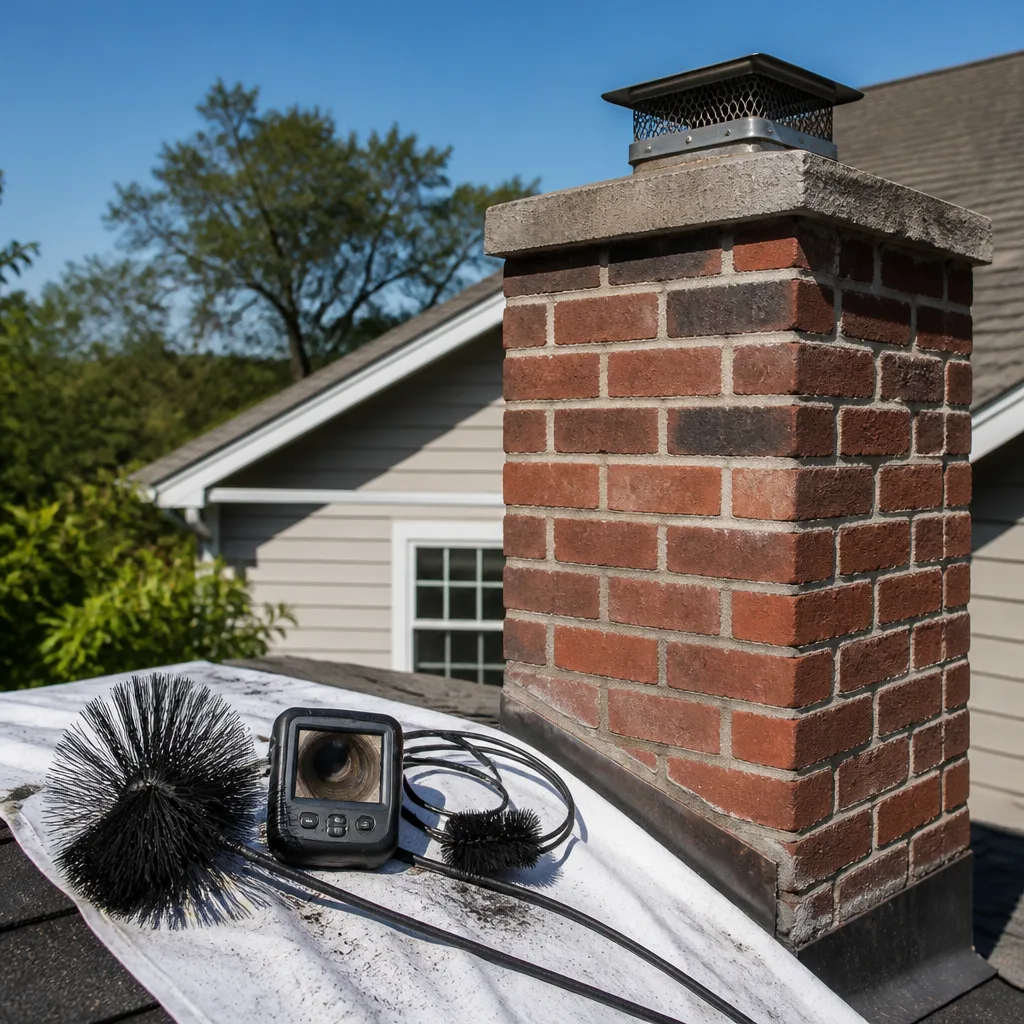 Sweep & inspection
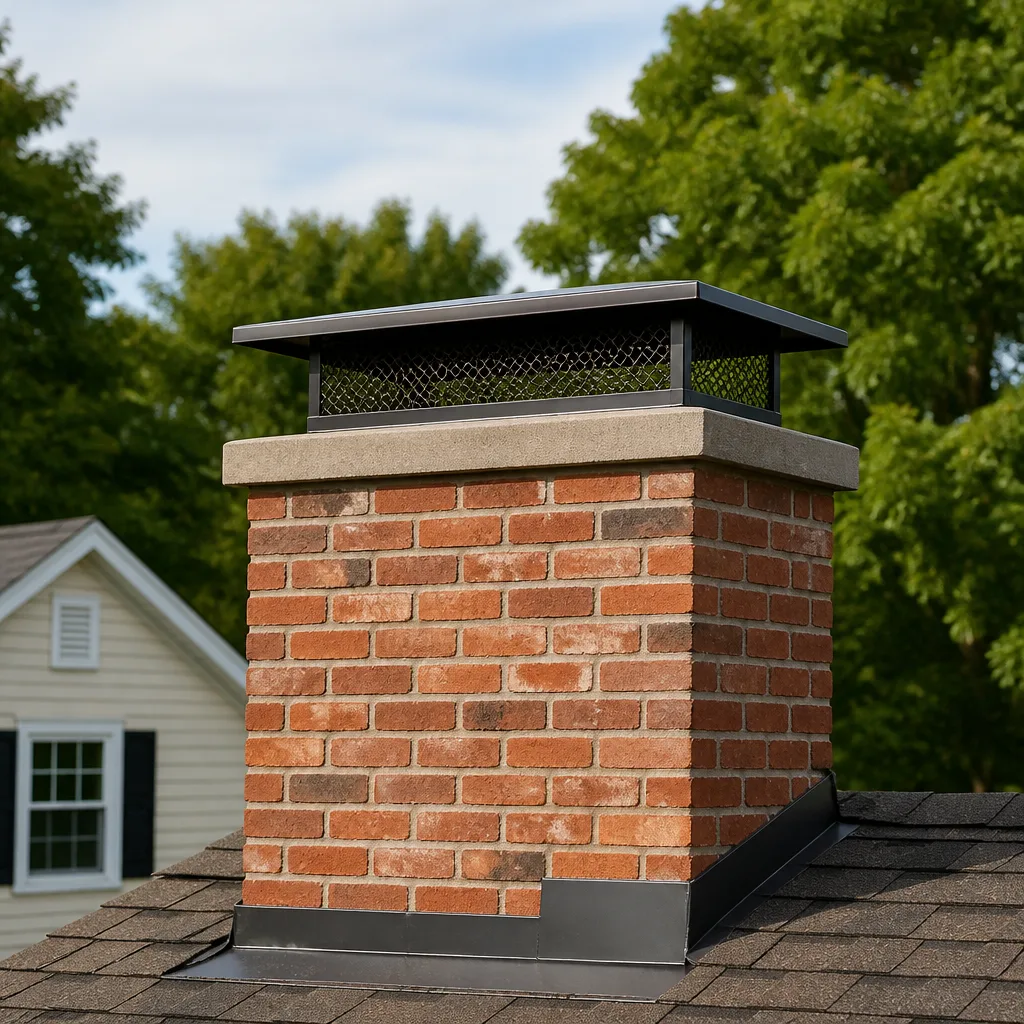 Caps & crowns
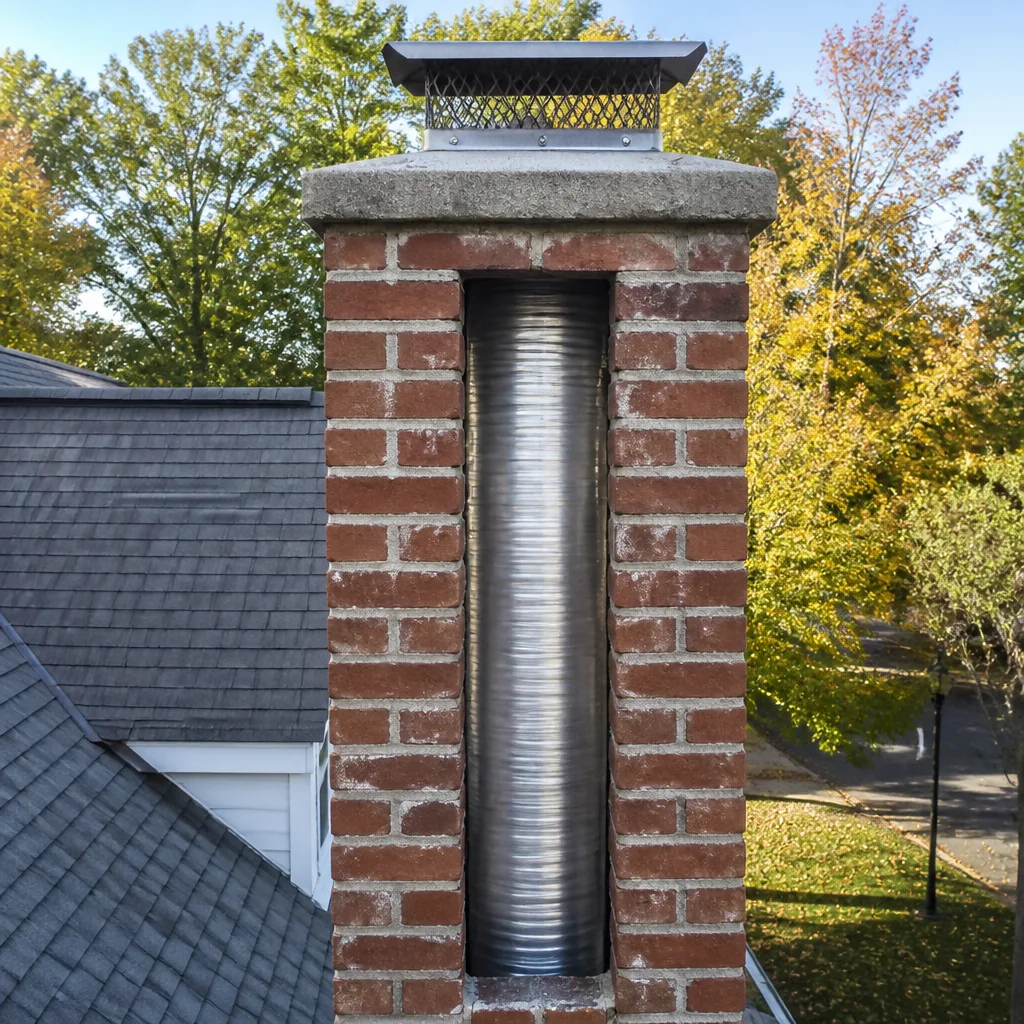 Flue relining
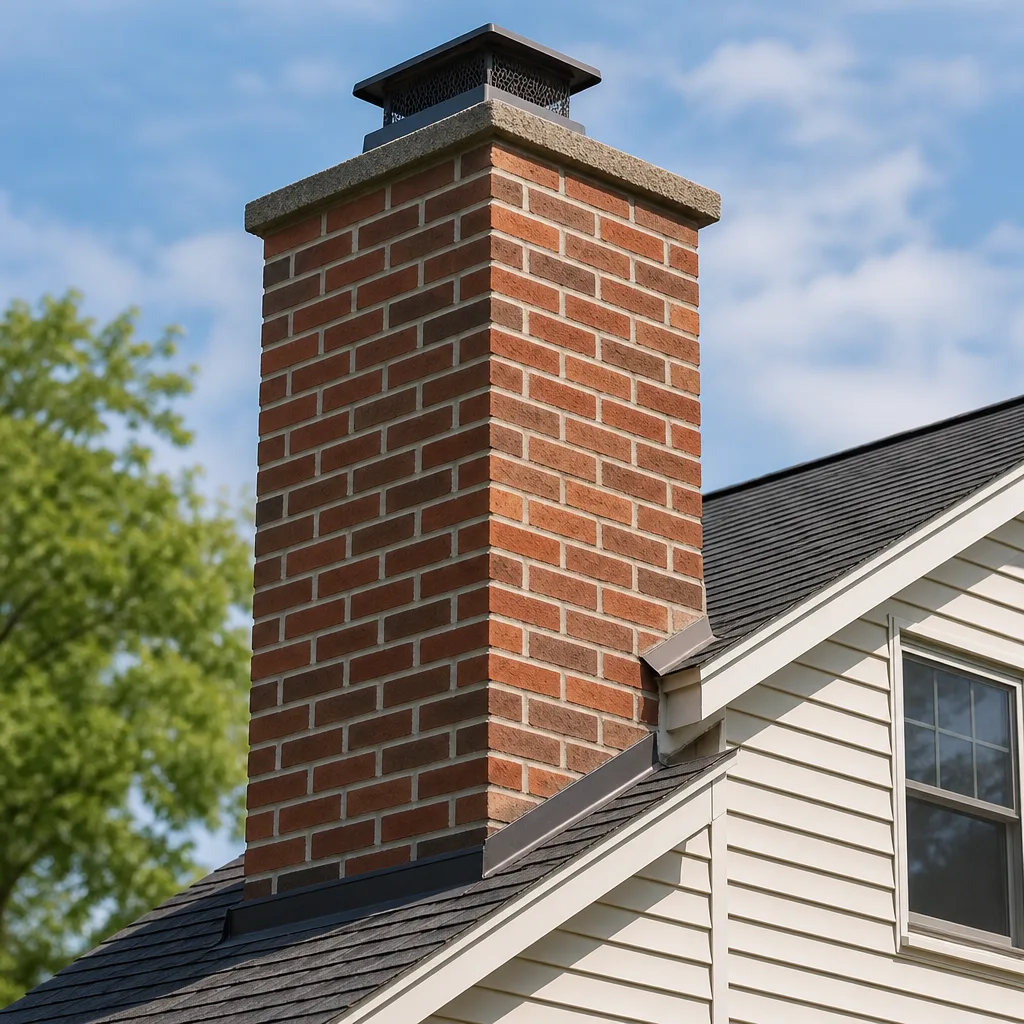 Masonry repair
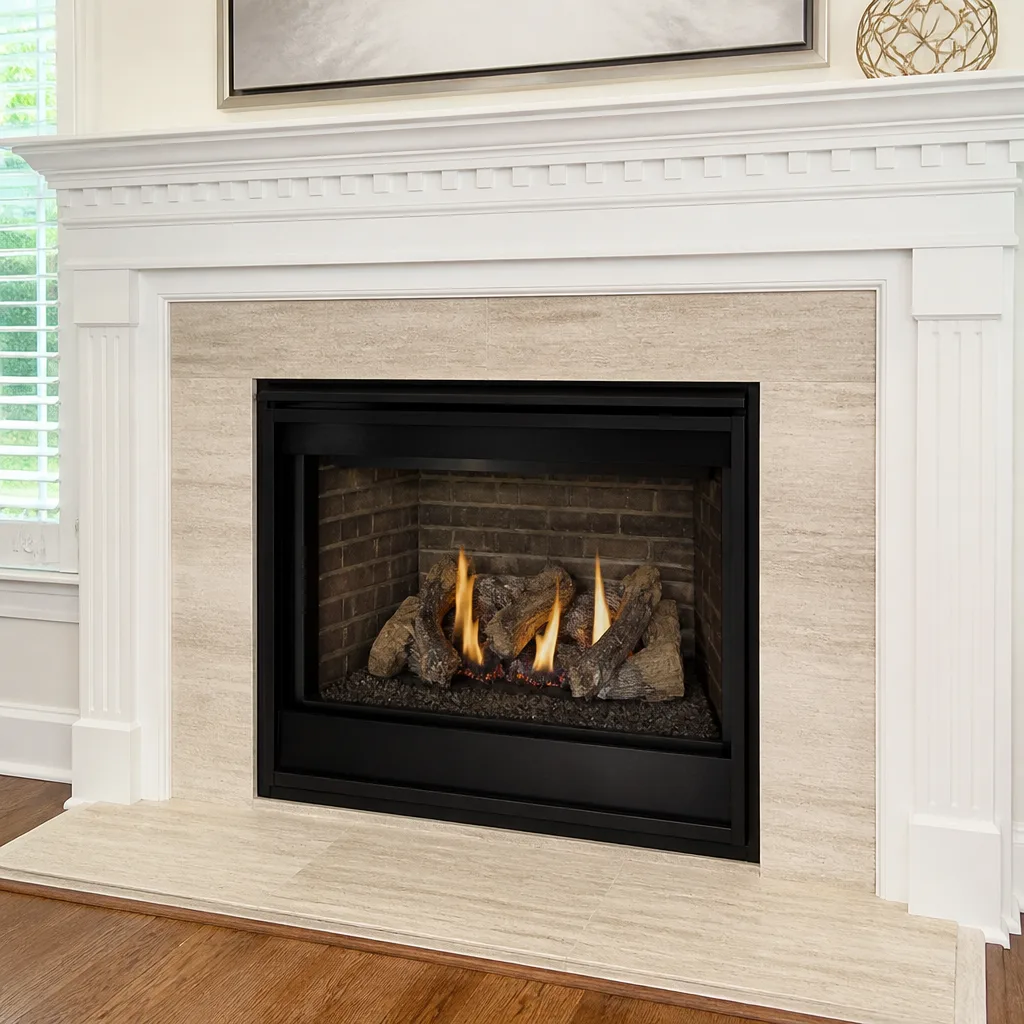 Gas fireplace service
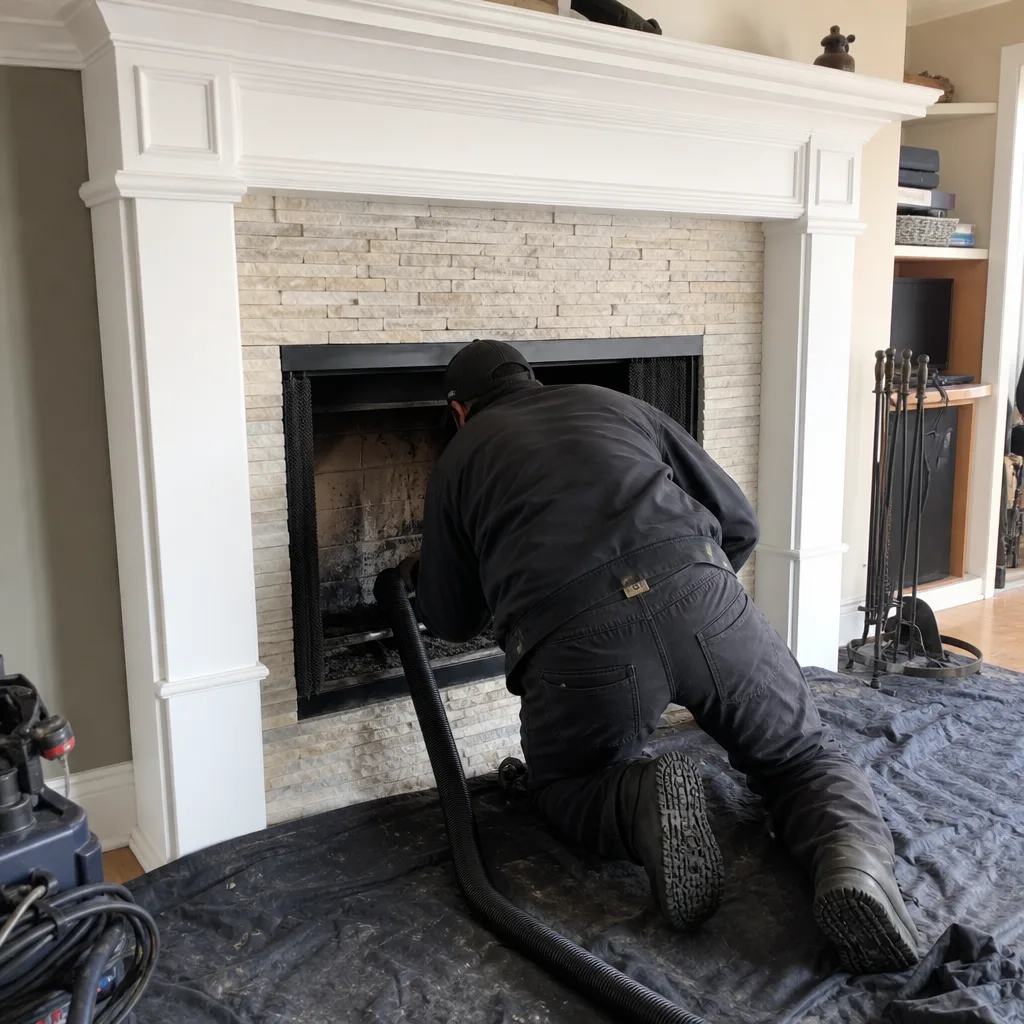
Level 1 sweep and inspection to the NFPA 211 annual standard - flue, crown, cap, and flashing checked and photographed
Chimney sweep logs do not sweep chimneys. They loosen some creosote - which then falls where a brush and vacuum still have to collect it.
The Complete Chimney Sweep Guide for Alameda Homeowners
Alameda sits on a tidal island where relative humidity rarely drops below 70%, a condition that turns a minor mortar crack into a structural problem within a single wet season if left unswept and uninspected. That single fact changes everything about how your chimney should be maintained. What works for a homeowner in San Ramon or Livermore, where the air runs dry and hot for half the year, simply does not apply here. This guide explains why your Alameda chimney degrades faster than inland chimneys, what you can do about it, and how to avoid the expensive mistakes most homeowners make before they ever pick up the phone.
Styles & brands we work with
- Sweep & inspection
- Caps & crowns
- Flue relining
- Masonry repair
- Gas fireplace service
Quick Answer
Our Chimney Sweep services in Alameda typically cost between $189 and $349 for a standard fireplace cleaning, depending on flue condition, roof access, and whether you’re also addressing a gas insert or wood stove. Because salt air and fog accelerate creosote bonding and masonry deterioration, most Alameda homeowners should schedule a sweep annually, with a second inspection before the heaviest burn season. The right provider will sweep, inspect, and repair in a single visit rather than handing you a referral list.
Table of Contents
- Why Alameda Chimneys Fail Faster Than Inland Chimneys
- How Often Should You Sweep a Chimney in Alameda?
- What a Proper Sweep Actually Includes
- Older Homes, Special Protocols: Pre-1940 Chimneys in Alameda
- Wildlife and the Law: What Homeowners Need to Know Before Sweeping
- Sweep-Only vs. Full-Service: Why the Difference Matters
- Alameda Neighborhood Notes: How Location Changes Your Chimney’s Risk Profile
- Common Mistakes to Avoid
- When to Call a Professional
- Frequently Asked Questions
- The Bottom Line
Why Alameda Chimneys Fail Faster Than Inland Chimneys
We’ve inspected chimneys on the island that were perfectly functional in March and structurally compromised by December. The culprit isn’t heavy use. It’s the environment. Alameda’s geography, a flat island ringed by the San Francisco Bay and the Oakland Estuary, means the air moving over your roof is perpetual marine air. It carries two things: moisture and salt.
Here’s what that combination does to a standard masonry chimney:
- Salt crystalization. Bay fog deposits microscopic salt particles into porous brick and mortar. When the moisture evaporates, the salt expands, slowly fracturing the surface. This is the same mechanism that rusts out cars parked at the Alameda Point waterfront years before inland vehicles show any wear.
- Creosote bonding. Creosote, the flammable byproduct of wood combustion, behaves differently in humid environments. It stays sticky. Sticky creosote adheres to flue walls and resists the standard brush techniques used in drier climates. A chimney cleaned annually in Sacramento might go two years with light buildup. The same chimney in the Gold Coast neighborhood will show significant glazing in one season.
- Flue liner corrosion. If you have a steel liner, the story is worse. Salt air attacks steel liners from the top, where the chimney cap exposes metal to open air. We regularly see liner rust at the crown on homes along Shoreline Drive and Fernside Boulevard, where bay exposure is constant. A rusted liner is a chimney fire waiting for ignition.
- Fog-driven moisture intrusion. Alameda gets roughly 100 fog days a year. That fog penetrates cracks that would remain dry in a warmer, drier city. Moisture reaching the interior flue accelerates every form of deterioration, from spalling brick faces to weakened mortar joints.
The takeaway for Alameda homeowners is simple: you cannot use a generic chimney maintenance calendar. Your home’s exposure to marine air means your maintenance schedule needs to be more conservative, and your eyes need to be on the crown, the cap, and the upper flue more often than a homeowner anywhere inland.
How Often Should You Sweep a Chimney in Alameda?
The national guidelines say once a year. The National Fire Protection Association’s NFPA 211 standard recommends annual inspection and cleaning as needed. Alameda’s conditions push that baseline up, not down.
Here’s our blunt recommendation, based on the chimneys we’ve cleaned across the island:
- Wood-burning fireplace used weekly during burn season: Sweep every year. If you burn soft woods like pine or fir, sweep before burn season starts and have a mid-season check if you notice smoke backing up.
- Wood-burning stove used as a primary heat source: Sweep every year, and depending on burn volume and wood type, a second sweep mid-season may be warranted. Stoves run hotter and longer, which sounds cleaner but often produces denser, harder creosote in the upper flue where temperatures cool.
- Gas fireplace or gas log set: Inspect annually, sweep every two to three years. Gas doesn’t create creosote, but it does create acidic condensation in Alameda’s humid air, which corrodes metal flue components and deteriorates masonry from within.
- Occasional-use fireplace (a few fires per year): Still inspect every year. Alameda’s wildlife factor, birds nesting in unused chimneys during spring and summer, creates blockages that have nothing to do with how often you burn. A chimney that sat idle from March to November can become a nest site in two weeks.
- Multi-family or in-law unit chimneys: If you own a duplex or a converted Victorian with multiple flues, each flue gets its own schedule. Shared chimney crowns and adjacent flues mean one unit’s neglect becomes another unit’s problem.
If you’ve just purchased a home in Alameda and have no record of the last sweep, schedule one before you light the first fire. The previous owner’s word is not a safety inspection. We have found everything from squirrel nests to collapsed clay tiles in chimneys that homeowners swore were “just cleaned last year.”
What a Proper Sweep Actually Includes
Let’s be clear about something: running a brush up a flue is not a chimney sweep. That’s a flue cleaning. A proper sweep is an evaluation of the entire chimney system, from firebox to crown, with findings documented and explained. For the full picture, see our The Complete Guide to Chimney Cleaning in Alameda.
Here’s what a professional chimney sweep in Alameda should do on every visit:
- Full visual inspection of the firebox and damper. Checking for cracks, warping, rust, and proper damper operation. A damper that doesn’t seal lets Alameda’s fog drip condensation directly into your firebox all summer.
- Flue interior examination. This means looking at the flue after cleaning, not just before. Creosote hides cracks. A cracked flue liner that’s visible only after the creosote is removed is the single most common finding on Alameda chimneys built before 1960.
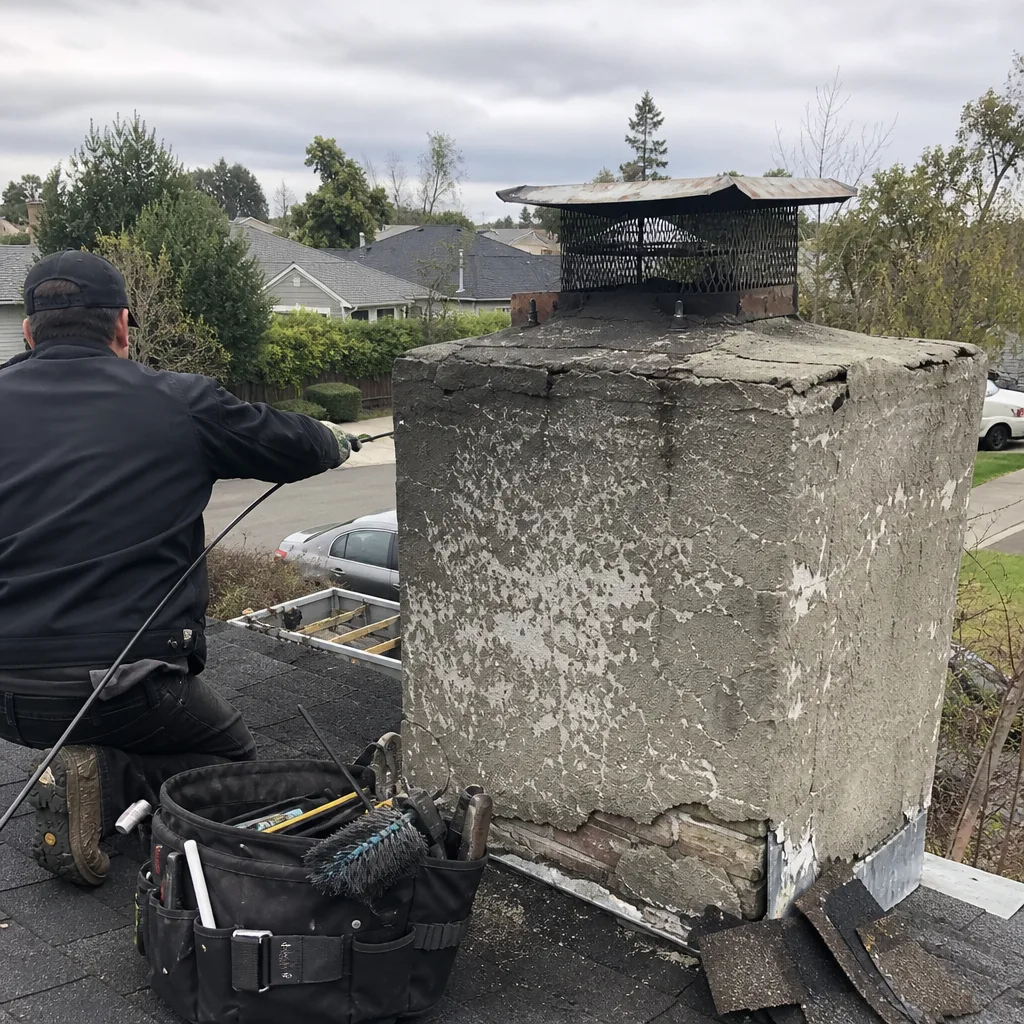
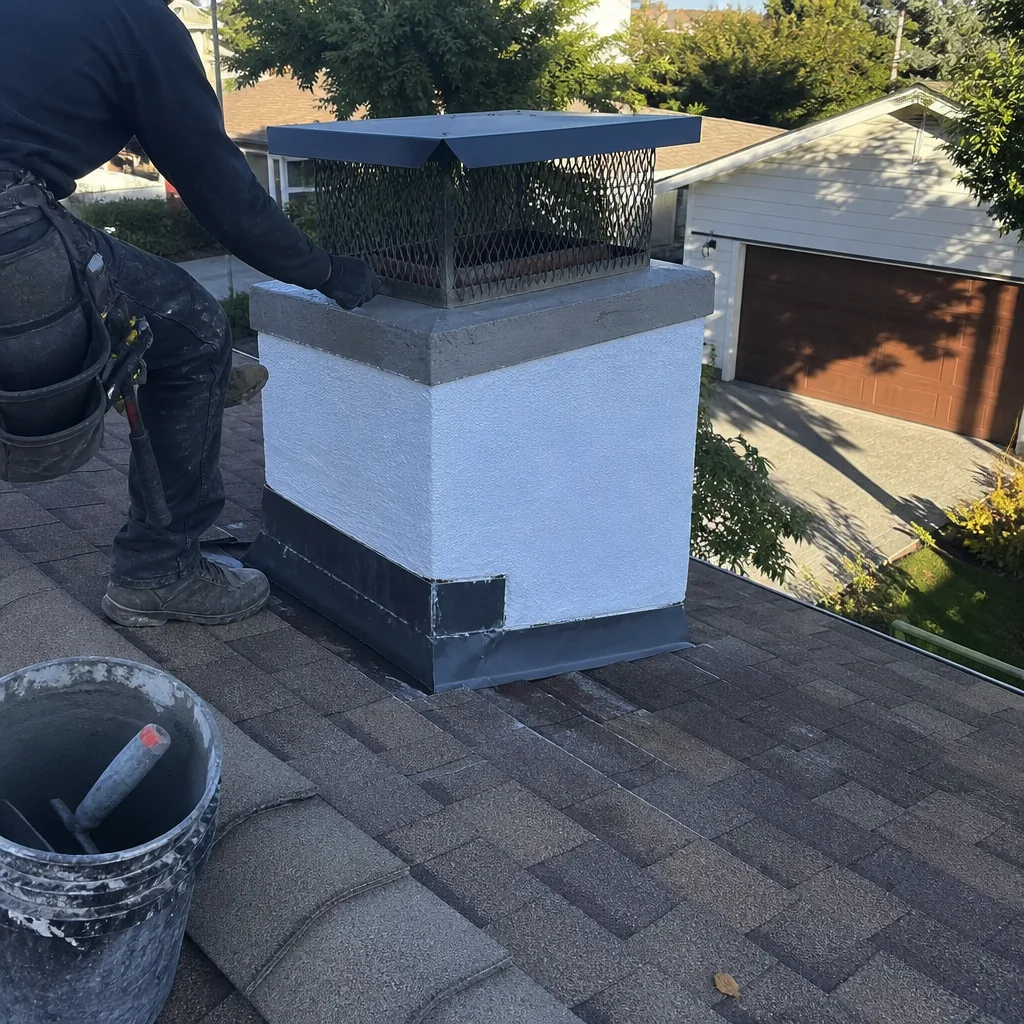
- Chimney crown and cap inspection. The crown is the concrete slab at the top of the chimney. Alameda’s rain and fog expose every crown defect within months. A cracked crown lets water into the chimney body, which freezes never, but saturates constantly, causing spalling on brick faces.
- Chase cover and flashing check. For pre-fabricated or metal chimneys, the chase cover is the metal lid that keeps weather out. Salt air rusts these covers faster than almost any other chimney component on the island.
- Masonry surface assessment. Looking for spalled brick, missing mortar joints, and visible cracks in the chimney structure. On Alameda’s older Victorians and Craftsman homes, this step catches small problems before they become structural rebuilds.
- Birds’ nest and wildlife inspection. Not just checking for nests. Looking for the conditions that invited nesting, such as missing caps or damaged screening, and recommending fixes that prevent it from happening again.
- Written findings with photographs. You should walk away from a sweep knowing exactly what was found and what it means. Any professional worth your time provides documentation, not a verbal summary you’ll forget in a week.
We don’t just clean your chimney. We evaluate it and tell you exactly what we find. That’s the minimum standard for any sweep worth scheduling in Alameda.
Older Homes, Special Protocols: Pre-1940 Chimneys in Alameda
Alameda has one of the highest concentrations of pre-1940 homes in the Bay Area. Neighborhoods like the Gold Coast, East End, and parts of the West End are lined with Victorians, Edwardians, and Craftsman homes built when chimney construction standards were very different. If your home predates World War II, your chimney needs to be treated differently.
Here’s why:
- Clay tile liners are fragile. Most pre-1940 Alameda chimneys have unlined brick or clay tile flues. Clay tiles crack under heat stress, and once cracked, they allow heat and gases into the chimney body. A standard chimney sweep brush can damage already-weakened clay tiles if the tech isn’t careful. We adjust our sweep technique for older liners, using softer brushes and inspecting before aggressive mechanical cleaning.
- Offset flue configurations. Older Alameda homes often have flues that jog or offset as they rise through walls and attics. These offsets are where creosote accumulates fastest and where standard straight-run cleaning misses buildup. A proper sweep maps the flue path and cleans each segment, not just the accessible vertical.
- Original masonry needs different repair materials. Pre-1940 mortar is lime-based, softer than modern Portland cement. Repointing with modern mortar destroys old brick. Any repair on an older Alameda chimney must use period-appropriate mortar, and that’s a skill most general masonry contractors don’t have.
- Fireplaces were primary heat sources. Older Alameda fireplaces saw heavy use for decades, which means heat fatigue in the firebox side walls and back walls. Cracks here are common and should be evaluated for safety, not just cosmetics.
If you own an older home in Alameda and the person you’ve called for a sweep has no experience with pre-war chimneys, you’re taking a risk. Ask directly: “Have you worked on pre-1940 chimneys in Alameda before?” The answer tells you everything you need to know.
Wildlife and the Law: What Homeowners Need to Know Before Sweeping
Here’s something most chimney sweep guides skip entirely: federal law dictates when and how you can remove birds from your chimney.
Alameda sits in the Pacific Flyway, a major migratory bird corridor. Several bird species that nest in chimneys are protected under the Migratory Bird Treaty Act of 1918. That includes chimney swifts, various swallows, and certain sparrow species. If a protected bird has an active nest in your flue, it is illegal to remove or disturb it. Illegal removal carries fines.
What does this mean for your chimney service?
- Spring sweep scheduling is complicated. Most nesting activity happens between March and July. If you plan to sweep during these months, a professional should inspect for active nests before any cleaning begins. An active nest means you wait.
- After a nest is vacated, removal is required. Abandoned nests are fire hazards. Dry twigs, grass, and feathers ignite easily and burn hot. A nest in the flue is one of the fastest ways to start a chimney fire.
- Prevention is the best legal strategy. A properly installed chimney cap with the right mesh size prevents nesting entirely. If you’ve had birds in your chimney once, they will try again. The old nest site is marked, and without a proper cap, next spring brings the same problem.
- Sweeping at the wrong time doesn’t just break the law. It also endangers you. A chimney full of nesting material plus a fire is how chimney fires start. A blocked flue from an active nest can also push smoke and carbon monoxide into your home.
We’ve been called to Alameda homes in April where homeowners lit a fire in a chimney that had sat since January, not realizing a family of birds had moved in. The smoke damage was expensive, and the repair was entirely avoidable. The rule: if you haven’t used your chimney since the previous burn season, have it inspected before the first fire, no matter what time of year it is.
Sweep-Only vs. Full-Service: Why the Difference Matters
Most chimney companies in Alameda do exactly one thing: they sweep. They run a brush, write a report, and if they find damage, they hand you a referral card for a masonry contractor or a liner company. That handoff is where homeowners lose time, money, and sometimes safety.
Here’s what a full-service chimney relationship looks like instead:
- One technician, one diagnosis. The person who cleans your chimney is the same person who identifies the crack in your liner, the rust on your damper, or the spalling on your crown. There’s no game of telephone between a sweeper and a repair crew.
- Repairs happen in the same visit or immediately scheduled. When we find liner damage during a sweep, we don’t refer out. We schedule the repair. If we have the materials on the truck, we may handle it that day. That’s the difference between a sweeping service and a chimney company.
- Repair options reflect actual skill. A HeatShield liner restoration, which rehabilitates a damaged clay flue without a full reline, requires certification and specific materials. Most sweep-only companies don’t offer it. They recommend a full reline instead, which costs thousands more. If no one has offered you HeatShield as an option for a cracked liner, you may be paying for work you don’t need. That’s what Chimney Repair in Alameda is supposed to look like.
- Professional-grade materials are standard. We stock and install components from DuraFlex, Copperfield, HeatShield, and Gelco, the same lines used by commercial chimney contractors. Not hardware-store substitutes. When a repair is needed, you’re getting components engineered for long-term performance in a marine environment.
- The sweep informs the repair, and the repair informs the next sweep. If we reline a flue in your Alameda home, we record it. Next year’s sweep comes with the knowledge of what work was done, what materials were used, and what specific areas need monitoring. That continuity matters, and you only get it when one company handles the whole relationship.
An Ambassador shows up prepared to fix problems, not just document them. Sweep, repair, and protect, handled by one team. That’s what a full-service chimney company offers, and it’s the difference between a clean flue and a safe home.
Alameda Neighborhood Notes: How Location Changes Your Chimney’s Risk Profile
Alameda is only about 10 square miles, but chimney conditions vary meaningfully across it. Here’s what we’ve observed from years of working on the island:
- Gold Coast and Fernside. Beautiful old Victorians and Colonials, many with original chimneys. These homes face the most direct bay exposure, and salt air damage to chimney caps, chase covers, and exposed metal flashing is accelerated. If you live within a few blocks of the water on the south shore, inspect your cap and crown annually, not casually.
- East End. Mixed construction periods, with a high concentration of Craftsman homes. Clay tile liners are common, and offset flues are frequent. Creosote traps at the offsets need attention every sweep, and if your home has not been relined, age-related liner cracks are a near-certainty at some point.
- West End and Alameda Point. More modern construction in many blocks, but also more pre-fabricated metal chimneys. Metal chimneys in this area take a beating from wind-driven fog off the estuary. Rust around the chase cover and cap is the most common issue we find, and replacing a rusted cap before it fails entirely is far cheaper than dealing with water damage inside the chase.
- Bay Farm Island. Newer construction, mostly post-1980, with more gas fireplaces and direct-vent systems. The issue here is rarely masonry deterioration. It’s maintenance neglect. Gas units still need annual inspection, and many homeowners assume they don’t. Acidic condensation in Alameda’s humid air corrodes gas flue components over time.
- Central Alameda and the Park Street corridor. Densely packed lots and older rental stock. Chimneys here often serve decades of tenants with no consistent maintenance history. If you’ve purchased a property in this area, a full inspection before any use is non-negotiable.
None of this is about judging neighborhoods. It’s about helping you understand that your chimney’s condition is a function of its construction, its age, and its exact exposure to Alameda’s marine air. The Gold Coast homeowner with an original 1905 chimney has different needs than the Bay Farm Island homeowner with a 1995 gas fireplace. The right sweep company knows how to address both.
Common Mistakes to Avoid
- Skipping the annual inspection because you “only use the fireplace a few times a year.” Alameda’s real enemy is not burn frequency. It’s moisture, salt, and nesting wildlife. A rarely used chimney is a prime nesting site and a reservoir for fog-driven moisture.
- Hiring a handyman to clean the chimney. Chimney sweeping is not general handyman work. It requires specialized brushes, proper fall protection for roof access, and knowledge of flue anatomy. A handyman with a broom cannot evaluate liner condition, and in Alameda’s older homes, a damaged clay liner overlooked because “it looked fine” is a fire hazard.
- Ignoring a damaged chimney cap. If your cap is rusted, cracked, or missing, you have an open invitation for birds, water, and debris. A new cap costs a few hundred dollars. A new liner costs thousands. In Alameda’s marine air, cap degradation accelerates quickly. This is not a “wait until spring” item.
- Painting over spalling brick without addressing the moisture source. We see this on older Alameda homes constantly. Homeowners see flaking brick faces and paint them to hide the problem. The brick is spalling because moisture is trapped inside the chimney body. Paint seals that moisture in and makes the problem worse, faster. Address the moisture source, then repair the masonry.
- Burning unseasoned wood because it’s cheap. Wet or green wood burns cooler and dirtier, producing heavy creosote deposits in a single season. In Alameda’s humid air, that creosote stays sticky and bonds to flue walls. Season your wood properly, and store it off the ground, covered, with good airflow.
- Assuming a gas fireplace needs no maintenance. Gas fireplaces don’t create creosote, but they do create acidic condensation that corrodes metal flue components and etches glass doors. Annual inspection catches these issues before they become expensive.
- Waiting until fall to schedule a sweep. Every chimney company in Alameda is booked solid from September through December. Schedule in spring or summer and you’ll get better availability and more attention to detail. The birds are also done nesting by then, which simplifies everything.
When to Call a Professional
You should call a professional if you notice any of the following: smoke backing up into the room, a persistent odor coming from the fireplace even when it’s not in use, visible cracks in the chimney’s exterior masonry, rust staining on the chimney cap or chase cover, or any sign of animal activity, including chirping, scratching, or nesting material falling into the firebox. You should also call if you’ve just purchased a home with an unknown chimney history, if it’s been more than two years since your last inspection, or if you’ve never had the chimney evaluated since moving to Alameda. The marine air doesn’t wait, and neither does a damaged flue. Ambassador Chimney Sweep home to your maintenance list, and make the call before the burn season books up. Ambassador Chimney Sweep offers free estimates in Alameda – call (877) 752-4931.
Frequently Asked Questions
A standard chimney sweep in Alameda typically costs between $189 and $349, depending on flue condition, roof access difficulty, and whether the chimney has been recently maintained. Pre-1940 chimneys with intricate flue paths and multi-story roof access can run higher. Call (877) 752-4931 for an exact quote – estimates are free.
Not every damaged liner requires a full reline. If your clay tile liner has minor cracks or surface damage, HeatShield restoration can often repair the flue without removing the old liner, a method most sweep-only companies don’t offer. A proper inspection with a camera tells us which option applies to your chimney. Call (877) 752-4931 to schedule an assessment.
In Alameda, skipping a year means more than creosote buildup. Fog-season moisture saturates small cracks, salt air corrodes metal components, and birds move into uncapped or poorly capped flues. A chimney that was safe last year can be a fire hazard this year because of erosion and wildlife, not just soot. Call (877) 752-4931 to get an inspection on the calendar.
Yes. We offer dryer vent cleaning in Alameda as a separate, dedicated fire-safety service. Dryer vents are one of the leading causes of residential structure fires, and a clogged vent is a hidden risk in most Alameda homes. Scheduling both services in one visit is efficient and gives you a complete picture of your home’s ventilation systems. Call (877) 752-4931 to book both.
It depends on the species and the season. Migratory birds protected under federal law, including chimney swifts and many swallows, cannot be disturbed if they have an active nest. If the nest is abandoned, removal is legal and necessary because nesting material is highly flammable. A professional knows how to check for active nests before any work begins. Call (877) 752-4931 for guidance on your specific situation.
A standard chimney sweep takes between 45 and 90 minutes for the cleaning itself. A full inspection with documentation adds time, and older Alameda chimneys with offset flues, fragile liners, or roof access challenges will extend the visit. We’d rather take the time to inspect thoroughly than rush through a brush-only cleaning and miss something important. Call (877) 752-4931 to schedule with enough time for a proper evaluation.
The Bottom Line
Your Alameda chimney lives in a tougher environment than almost any other chimney in the East Bay. The same salt air and fog that keep the island green and cool are actively working against your masonry, your liner, and your metal components every day. Annual inspection is not a suggestion here. It’s the minimum. And when problems are found, which they usually are on older island homes, you want a company that can fix them on the spot, using professional-grade materials from brands like DuraFlex and Copperfield, not a sweep-only service that hands you a referral card and wishes you luck. Sweep, repair, and protect. One team, one relationship, one chimney you can actually trust. For more guides & resources, visit our blog.
Written by the team at Ambassador Chimney Sweep, serving Alameda since 2014.
See the difference
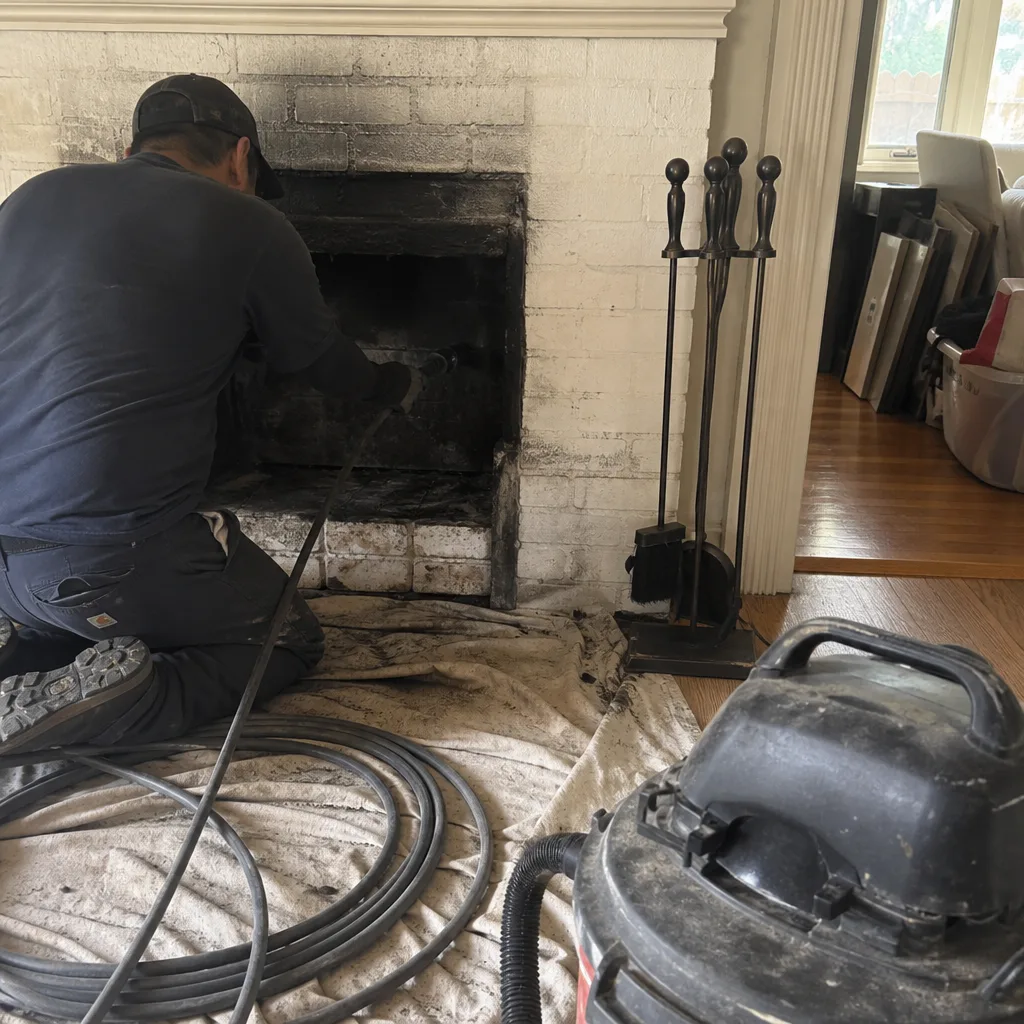 Before
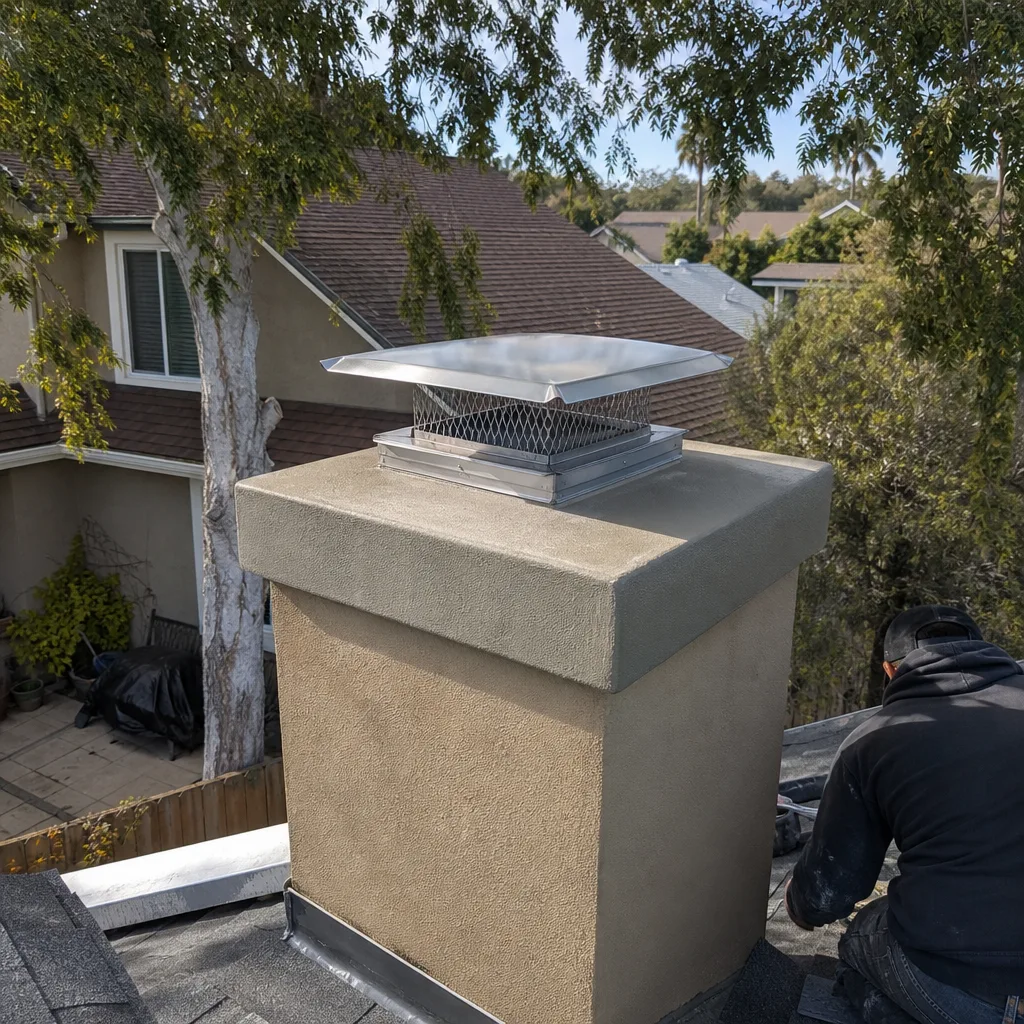 After
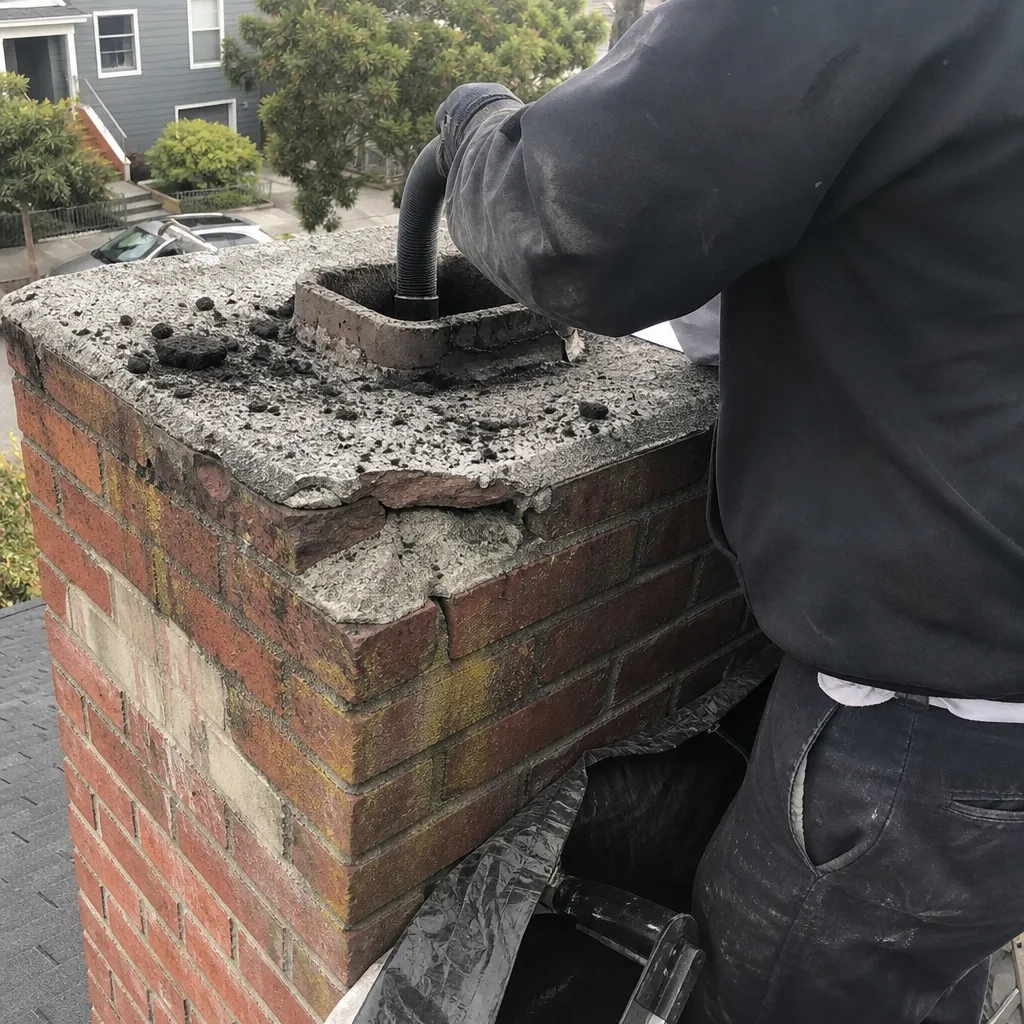 Before
 After
 Before
 After