
Last updated November 2, 2026
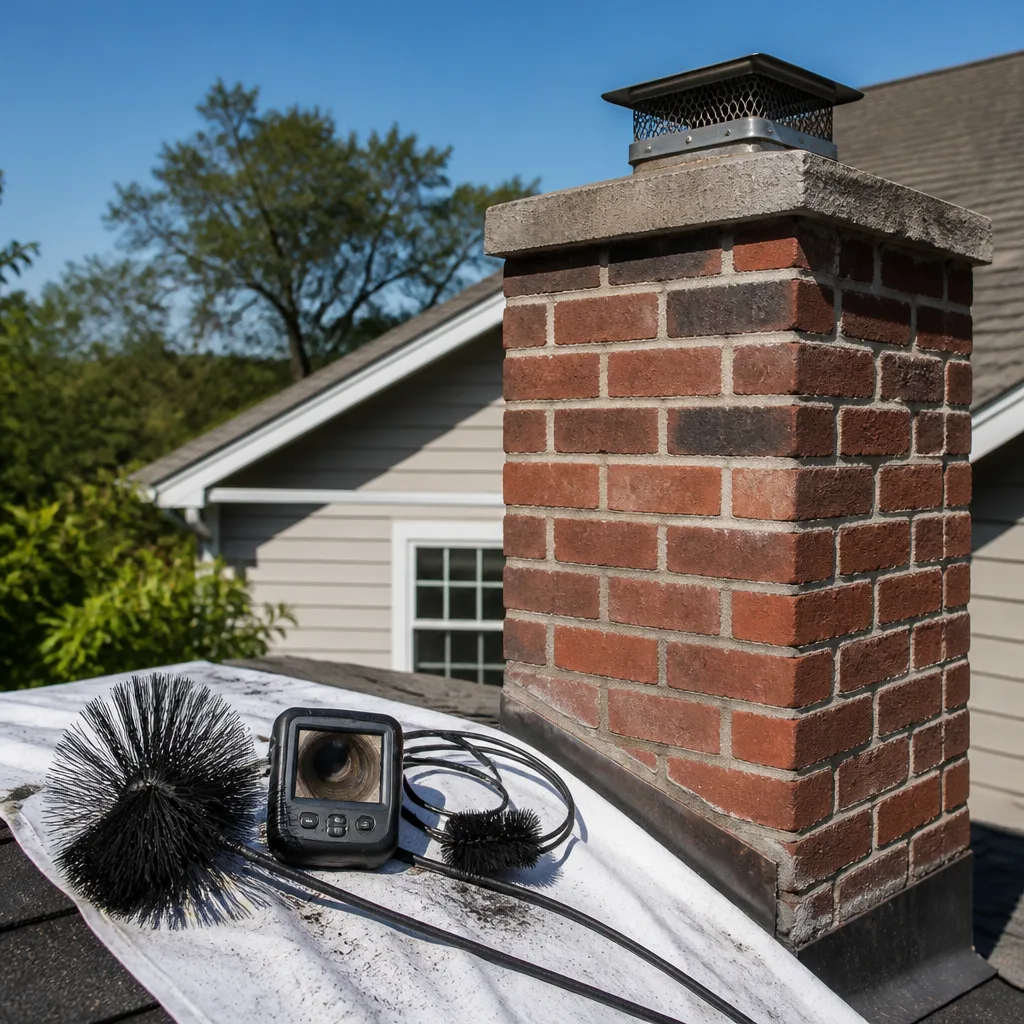 Sweep & inspection
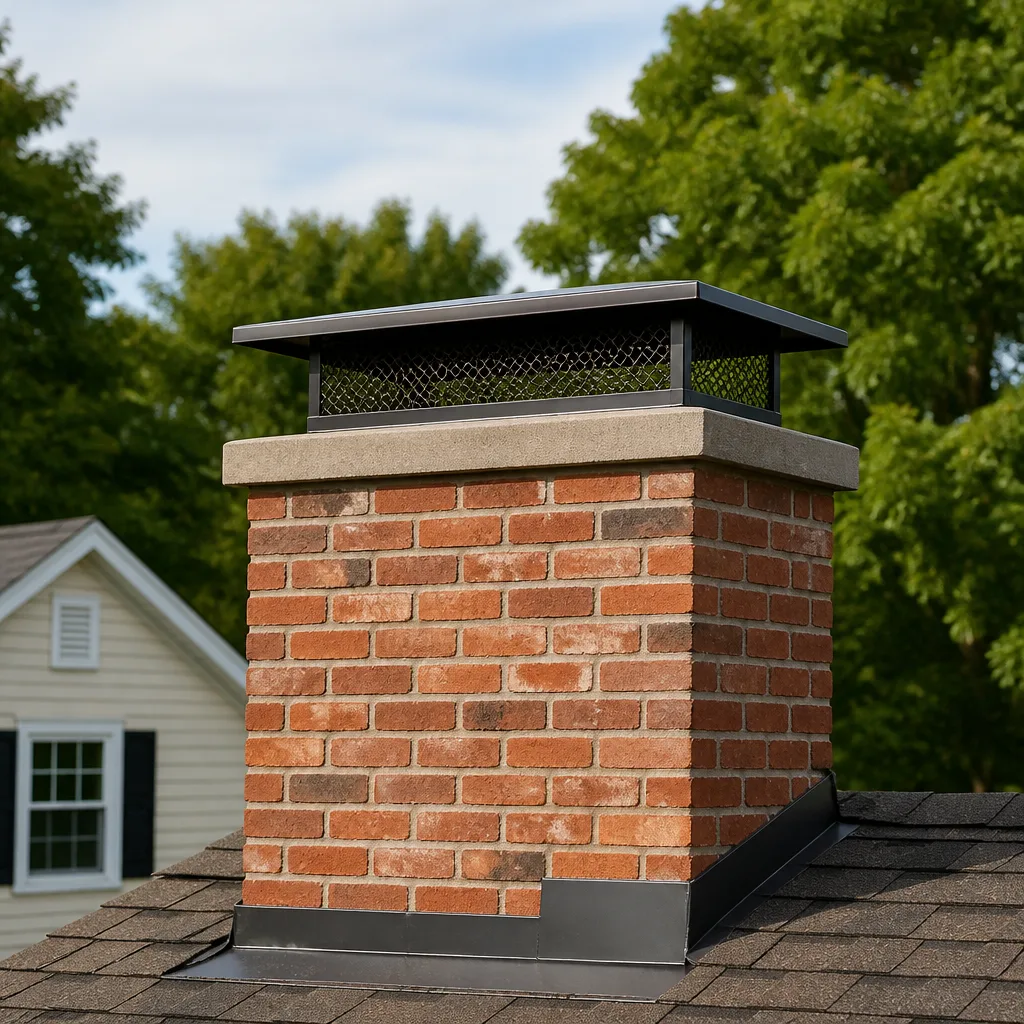 Caps & crowns
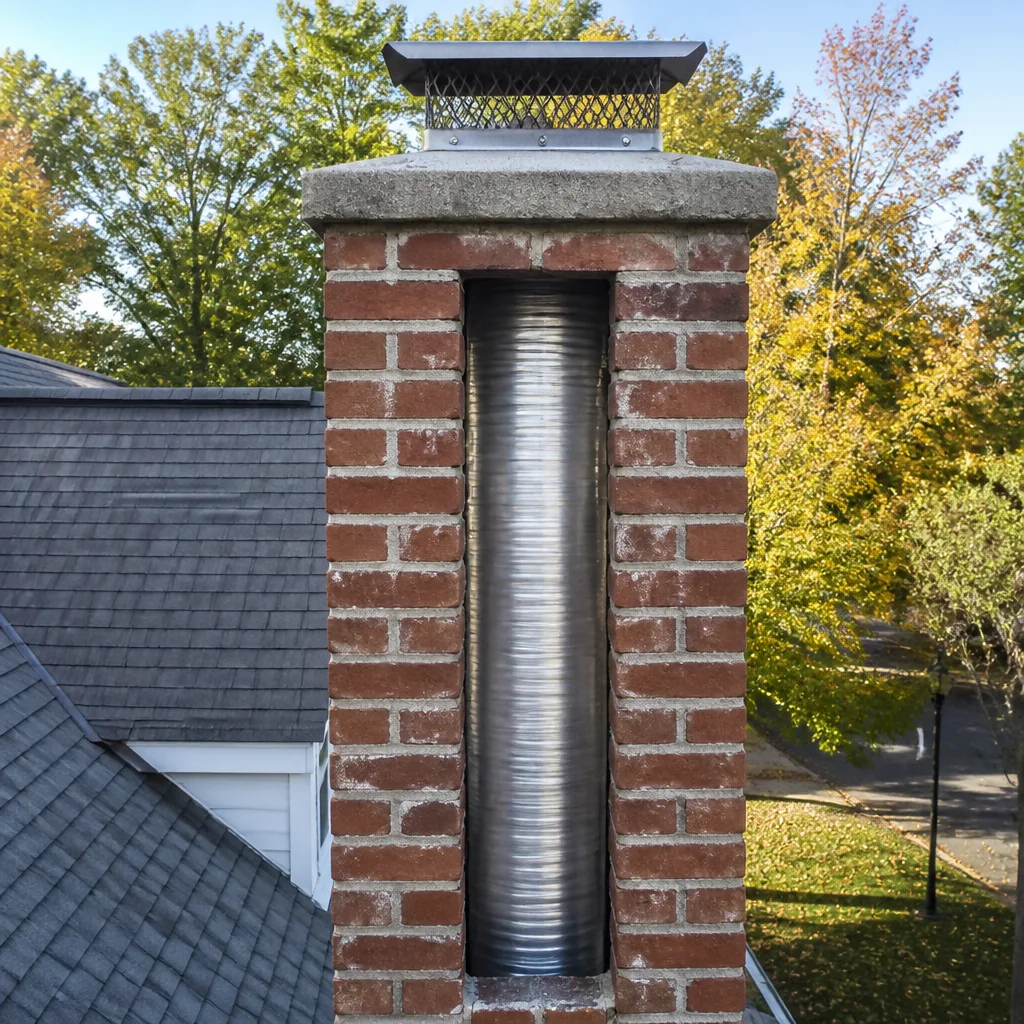 Flue relining
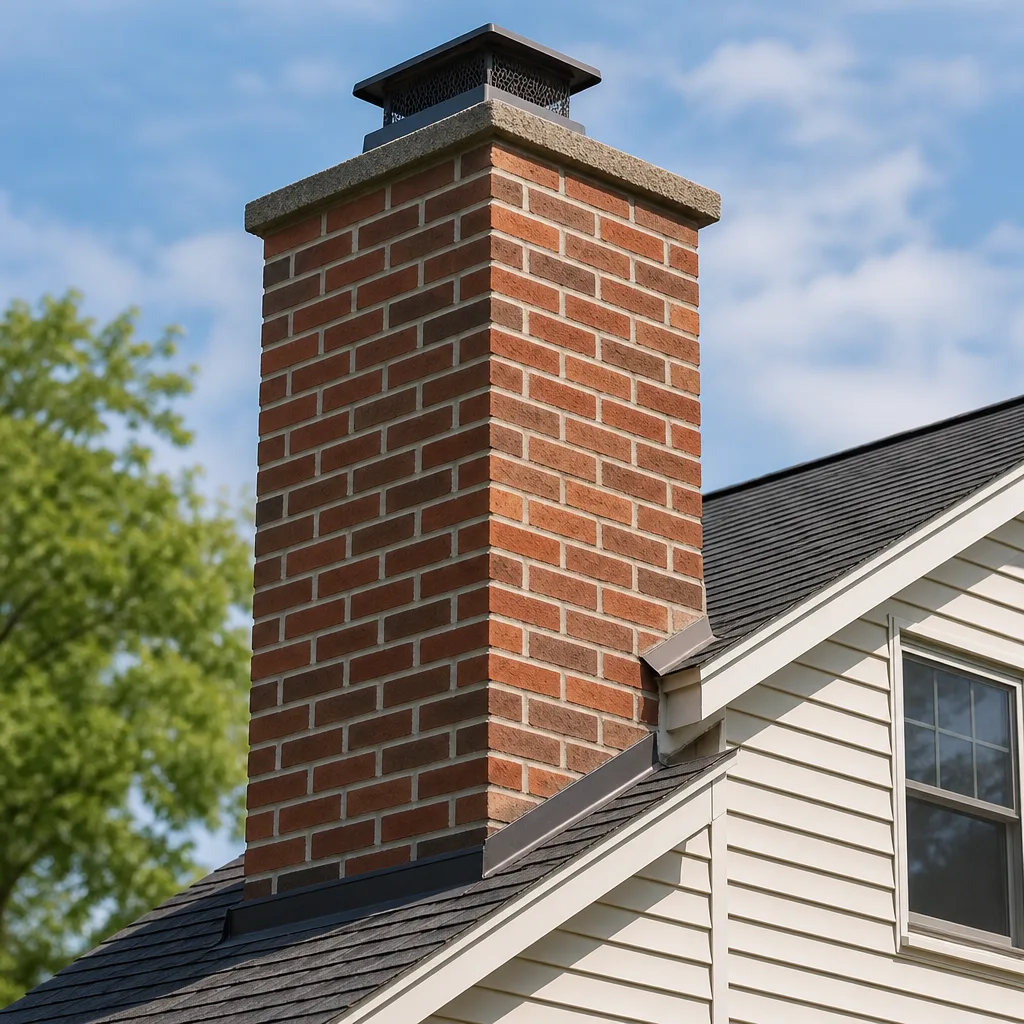 Masonry repair
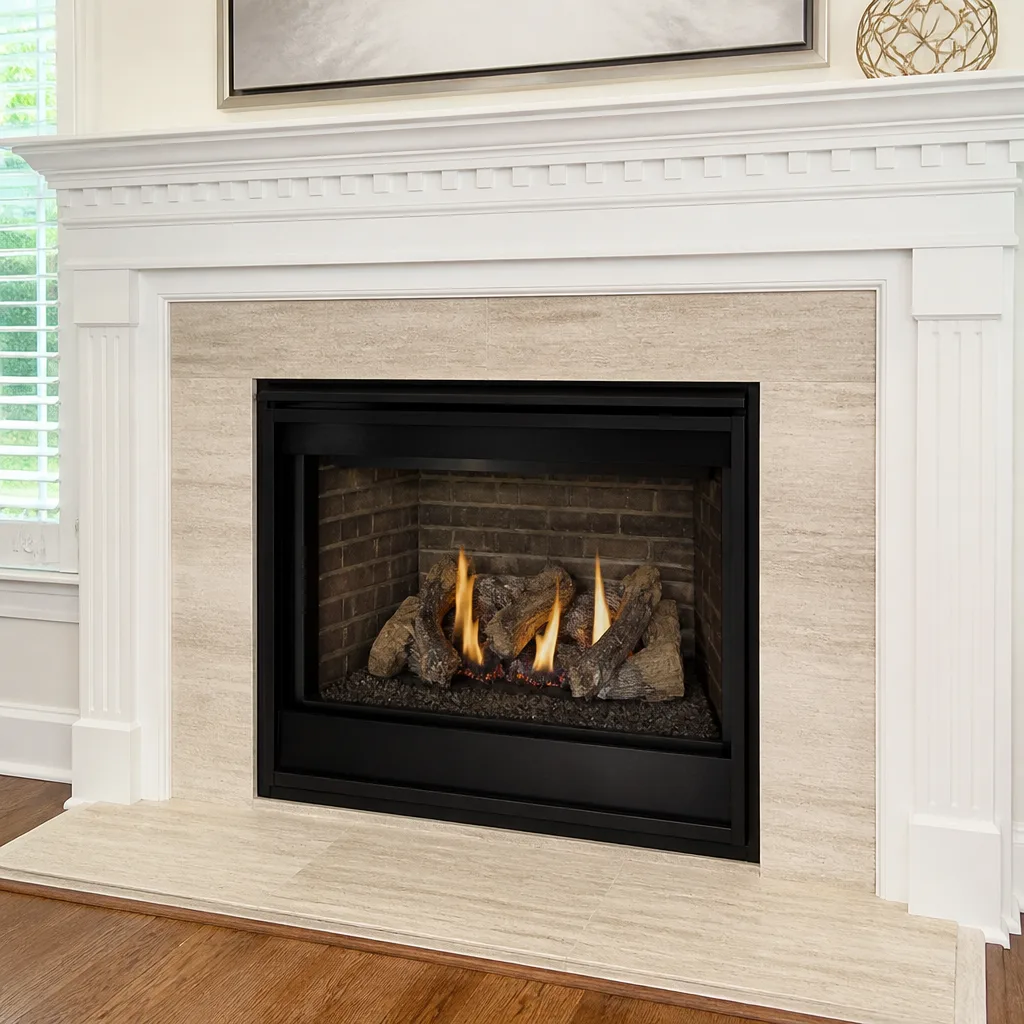 Gas fireplace service
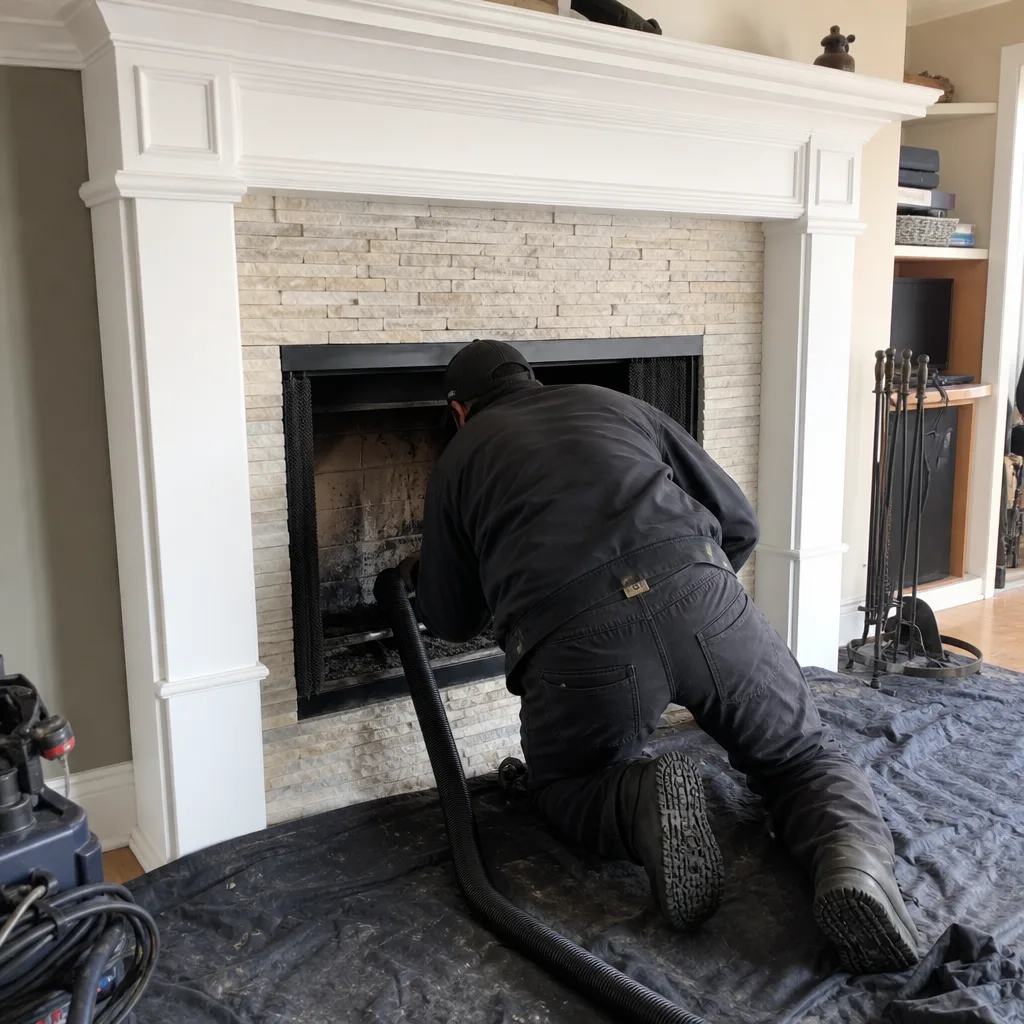
Level 1 sweep and inspection to the NFPA 211 annual standard - flue, crown, cap, and flashing checked and photographed
Chimney sweep logs do not sweep chimneys. They loosen some creosote - which then falls where a brush and vacuum still have to collect it.
Chimney Cleaning Warning Signs: An Alameda Homeowner’s Reference Guide
Most chimney problems don’t announce themselves with a collapse or a dramatic fire. They whisper. A faint smell after rain, a wisp of smoke curling into the living room on a windy evening, a white stain spreading slowly across the brick. Alameda’s coastal air, with its persistent moisture and salt content, turns those whispers into accelerated structural damage that inland guides never mention. This guide walks you through what to watch for, what each sign actually tells you about your system, and which ones mean pick up the phone today versus keep an eye on it through the season. For Chimney Sweep Maintenance Checklist for Alameda Homeowners, see our dedicated resource.
Styles & brands we work with
- Sweep & inspection
- Caps & crowns
- Flue relining
- Masonry repair
- Gas fireplace service
Quick Answer
The most common chimney cleaning warning signs in Alameda are a persistent fireplace odor even when cold, smoke entering the room instead of rising cleanly, visible soot or creosote buildup, white staining on exterior masonry, and animals or debris falling into the firebox. Any one of these warrants a professional inspection. Odor plus visible buildup together usually means a cleaning is overdue now, not next month.
Table of Contents
- The White Stain That Isn’t Cosmetic: Efflorescence and Alameda’s Coastal Air
- What Smoke Is Actually Telling You: Backdrafting, Thin Plumes, and Obstruction
- The Homeowner’s Sensory Checklist: Smell, Sound, Draft, and Smoke Color
- Creosote Stages and Why Glazed Buildup Changes the Conversation
- Monitor or Call: Specific Thresholds for Action
- When a Sweep Isn’t Enough: Signs You Need a Structural Inspection
- Gas Inserts and Dryer Vents: Warning Signs Most Guides Skip
- Common Mistakes to Avoid
- When to Call a Professional
- Frequently Asked Questions
- The Bottom Line
The White Stain That Isn’t Cosmetic: Efflorescence and Alameda’s Coastal Air
A white, chalky stain on your chimney’s exterior isn’t actually a stain at all. It’s efflorescence, and it means water is already moving through your masonry. As moisture enters the brick and mortar, it dissolves mineral salts inside the material. When the water evaporates on the surface, those salts remain behind as a white residue. In Alameda, where fog and marine air keep exterior masonry damp for weeks at a time, efflorescence develops faster and spreads further than it does in drier inland areas. Homeowners on Bay Farm Island and in the East End tell us they first noticed the staining after a long fog season, then watched it worsen through the winter months.
The problem with treating efflorescence as a cosmetic issue is that the visible salt deposit is the end of a longer process. Water that enters masonry and evaporates repeatedly carries those salts through the brick’s pore structure. Over years, this cycle begins to break down the brick and mortar from inside. The next stage is spalling, where the brick face itself flakes, chips, or crumbles away. By the time you see spalling, the masonry has already lost structural material. This is a repair issue, not a cleaning issue. A sweep removes surface deposits but does nothing to address the moisture source causing them.
What to Watch For in Alameda
- White, hazy patches that appear on the chimney’s exterior brick and don’t wash off with rain
- Flaking or peeling brick faces near the top of the chimney, where wind-driven fog and rain hit hardest
- Mortar joints that look recessed or powdery compared to the joints lower on the chimney
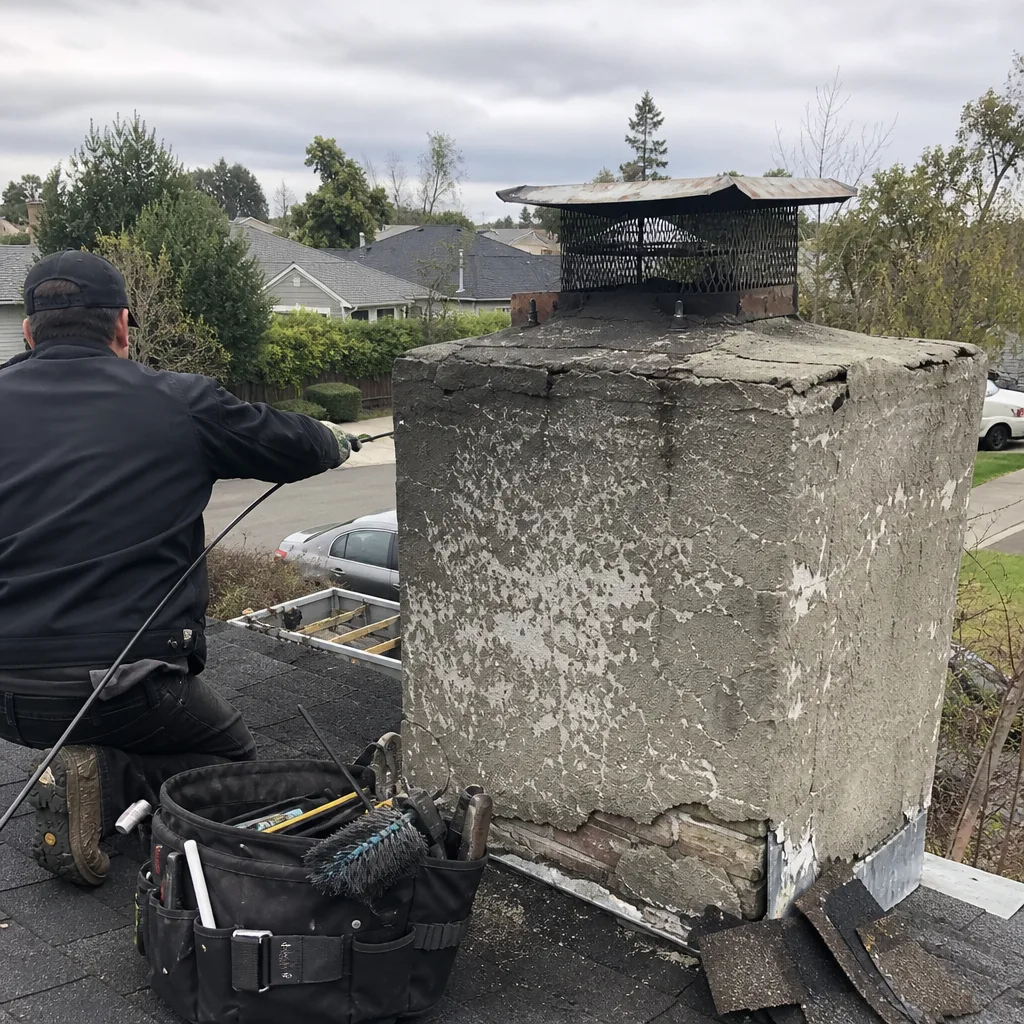
- A rusty or deteriorated chimney cap, which is often the first point of failure in corrosive coastal air
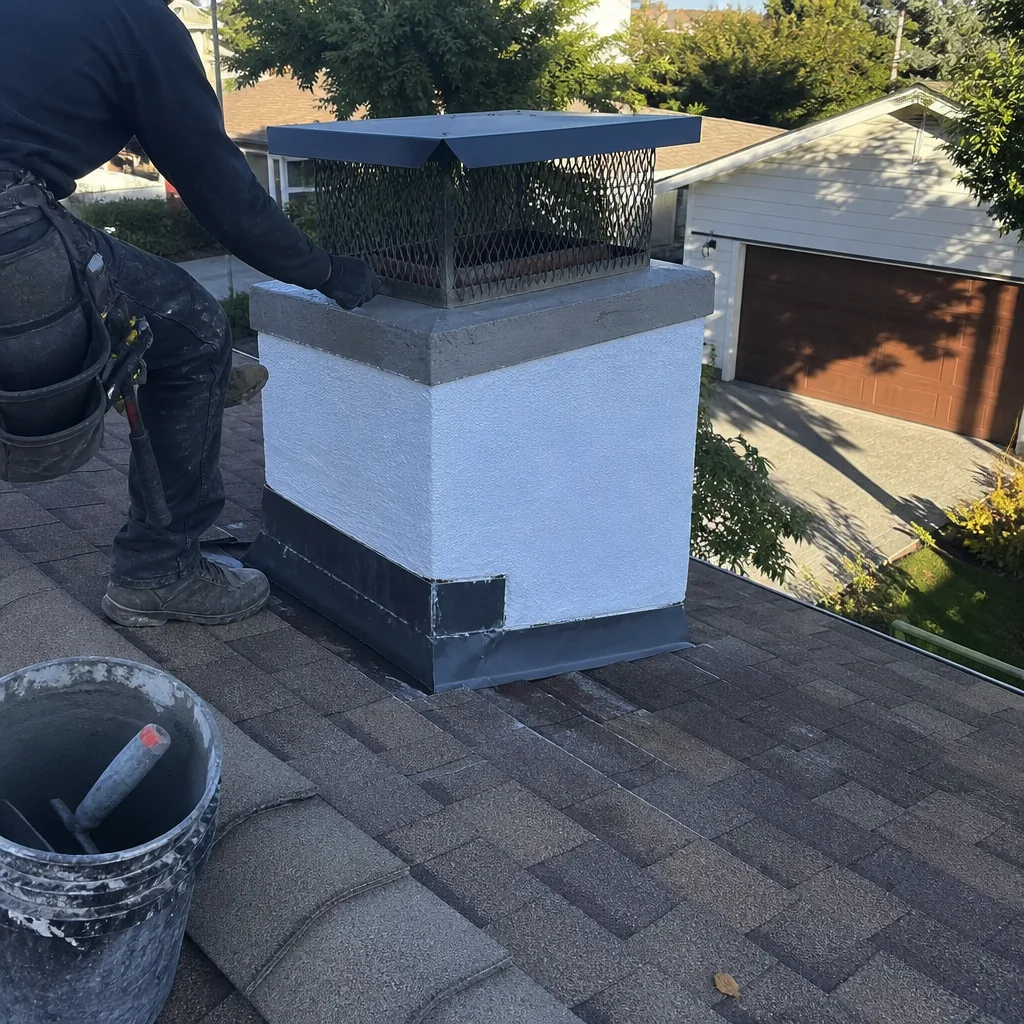
Chimney caps in Alameda corrode faster than expected because of the salt content in the marine layer. A cap that has rusted through allows rain and fog to enter the flue directly, which accelerates every other problem on this list. At Ambassador Chimney Sweep home, we stock replacement caps from Copperfield and Olympia Chimney, which are manufactured for long-term outdoor exposure. The right cap isn’t a generic part from the hardware store shelf.
What Smoke Is Actually Telling You: Backdrafting, Thin Plumes, and Obstruction
Smoke behavior inside your home is the clearest diagnostic signal a homeowner has access to. A properly drafting chimney moves smoke upward and out with enough velocity that none of it enters the living space. When that changes, the pattern of the change tells you what might be wrong. A fire that has burned hot for 20 minutes should produce thin, nearly invisible smoke from the chimney top. Smoke that pours back into the room when you open the stove door or fireplace screen is called backdrafting, and it has a specific set of causes you can narrow down before calling anyone.
Common Smoke Patterns and Their Likely Meanings
- Smoke curling into the room at startup only: The flue is cold. Alameda’s mild but damp air keeps chimney interiors cool even in fire season. A longer pre-heat with a rolled newspaper torch at the damper usually resolves this. If it doesn’t after 5 to 10 minutes, the flue may be partially obstructed.
- Smoke entering the room whenever you open the door: The fire isn’t getting enough air, or the flue diameter is undersized for the firebox. This can also happen when creosote has narrowed the flue opening significantly.
- Thin, lazy smoke from the chimney top even with a hot fire: Combustion is incomplete. Either the wood is too wet (common in Alameda, where firewood stored outdoors absorbs the marine moisture), or airflow through the firebox is restricted.
- Smoke that smells unusually sweet or acrid: This can indicate creosote igniting in the flue or burning off in thin layers. A sweet, almost barbecue-like smell during a hot fire is a warning sign to take seriously.
- Smoke exiting from unusual locations: If you see smoke seep from the chase cover, through cracks in the brick, or from joints in a factory-built chimney, the flue gases are escaping before reaching the termination point. This is a carbon monoxide hazard that needs immediate attention.
Alameda’s older homes, particularly the Victorians and Craftsman bungalows in the northern part of the city, often have chimneys built for original fireplaces that have since been modified or partially closed off. A flue that was once appropriately sized for a large hearth may now be oversized for the insert or stove installed in front of it, which changes draft behavior entirely. We see this constantly in our Chimney Sweep in Alameda work, where homes built between 1900 and 1940 present draft issues that newer construction simply doesn’t have.
The Homeowner’s Sensory Checklist: Smell, Sound, Draft, and Smoke Color
Before you spend money on a service call, run through this Chimney Sweep Troubleshooting: Common Problems and How to Fix Them checklist. It takes ten minutes and will give any technician you speak with a better starting point. Most Alameda homeowners can complete it on a weekend morning with no special tools.
The Four-Sense Chimney Check
- Smell test (cold chimney): Open the damper when the fireplace is completely cold. Take a slow breath at the opening. A campfire-like smell is normal and comes from residual ash and soot. A sharp, acrid, or oily smell indicates creosote buildup. A musty or damp smell suggests water intrusion or animal nesting material.
- Sound test: On a windy day, stand near the fireplace and listen. A faint whistle or humming from the chimney means air is moving across an obstruction or uneven surface. Scratching, chirping, or flapping sounds inside the chimney indicate a live animal, most commonly chimney swifts or squirrels in Alameda’s mature tree canopy neighborhoods.
- Draft feel: Hold a lit match or a piece of incense near the open damper on a cold chimney. The smoke should be drawn gently upward. If it drifts into the room or hovers without moving, the flue is not drafting properly, and a cleaning or inspection is warranted before the next fire.
- Smoke color during a fire: Dark gray or black smoke from the chimney top means incomplete combustion and creosote formation. White smoke during a fully established, hot fire suggests moisture in the wood or a flue that isn’t hot enough to expel combustion products properly. A properly burning, seasoned hardwood fire should produce nearly transparent exhaust.
This checklist catches most warning signs before they become emergencies. But it has limits. No sensory check can tell you the thickness of creosote glaze on the flue walls, whether a liner has cracked, or whether the chimney crown has a hairline fracture leaking water into concealed spaces. For that, you need a camera inspection. The team at Chimney Repair in Alameda provides photo and video documentation of exactly what’s inside the flue before recommending any work, which means you’re not taking anyone’s word on blind faith.
Creosote Stages and Why Glazed Buildup Changes the Conversation
Creosote is the residue left behind when wood smoke condenses on a chimney’s interior surfaces. It forms in three distinct stages, and each stage requires a different response. Most homeowners have heard of creosote but have no idea that it comes in forms ranging from a simple brushing job to a hardened glaze that resists normal cleaning methods entirely.
Stage One: Dusty Soot
This is the earliest accumulation, a fine, flaky, dark powder that brushes away easily. A standard chimney sweep removes it in a single visit. If your fires have been frequent but the wood was reasonably dry, this may be all you’re dealing with.
Stage Two: Crusty Flakes
As more smoke condenses and the flue goes through repeated heating and cooling cycles, the soot begins to harden into crusty, tar-like flakes. These flakes have a shiny appearance on one side and resist the light touch of a brush. They build up in layers and reduce the flue’s effective diameter, which is why a chimney that worked fine last season suddenly starts backdrafting this season.
Stage Three: Glazed Creosote
This is the stage most homeowners in Alameda never see because it develops over multiple seasons of neglected maintenance. Glazed creosote is a black, glassy, highly concentrated fuel that adheres to the flue walls. It is extremely difficult to remove with conventional brushes, and it ignites at a lower temperature than you’d expect. A chimney fire involving glazed creosote burns hot enough to crack tile liners, warp metal flues, and spread to surrounding framing. If a technician tells you your flue has glazed creosote, the next step is often chemical treatment or mechanical removal with specialized tools, not a standard sweep.
In our experience, Alameda homes that burn wood occasionally rather than as a primary heat source are at higher risk for stage two and stage three buildup. How does that make sense? Because occasional fires never get the flue hot enough to burn off the lighter deposits, and the long damp gaps between fires give those deposits time to harden. Homes that burn every day through the winter tend to maintain a cleaner flue, assuming they start with properly seasoned wood.
Monitor or Call: Specific Thresholds for Action
Not every warning sign justifies an immediate visit. Some conditions can be monitored through a season and addressed at the next scheduled cleaning. Others should trigger a call within the week. Here is how to distinguish between them using specific, observable thresholds.
Signs You Can Monitor for Now
- A faint campfire smell when the fireplace is cold but no visible soot falling into the firebox. Schedule a cleaning before your next heavy burning season, but this isn’t urgent.
- Minor startup smoke that resolves within five minutes on every fire. Note the pattern and mention it at your next service visit.
- Light, dusty soot in the firebox that brushes away easily. This is normal wear from burning, not a structural warning.
- Small hairline cracks in the exterior mortar that haven’t changed width over the past year. Take a photo now and compare it in six months.
Signs That Justify a Call Within the Week
- Any smoke entering the room after the first ten minutes of a fire. This is a draft or obstruction problem, and both are safety issues.
- A strong, persistent odor even when the fireplace has been cold for days. This often means creosote buildup or a dead animal in the flue.
- Visible black, glassy deposits on the damper, flue walls, or smoke shelf when you look up with a flashlight. Glazed creosote doesn’t wait.
- Water in the firebox or staining on interior walls around the chimney chase. Active water intrusion is damaging the structure continuously.
- Debris falling into the fireplace, especially pieces of brick, tile, or metal. This means material inside the chimney is detaching and the flue’s integrity is compromised.
- Any crack in the flue tiles visible from the top or through an inspection. Once a tile liner cracks, flue gases are escaping into the chimney cavity.
The threshold changes if you have a gas appliance. A gas insert produces lower-temperature exhaust than a wood fire, which means moisture condenses more readily inside the flue. That condensation is acidic and attacks both masonry and metal liners at an accelerated rate. Alameda homeowners with gas inserts should treat any visible staining, odor, or draft change as more urgent than wood-burning households would, because gas systems produce carbon monoxide that is invisible and odorless. When a gas chimney fails, the warning signs are often subtle until a CO detector goes off. Don’t wait for that moment.
When a Sweep Isn’t Enough: Signs You Need a Structural Inspection
A standard chimney sweep removes creosote and soot from accessible flue surfaces. It does not assess the structural integrity of the chimney system. Knowing the difference between a cleaning issue and a structural issue matters because treating one as the other leaves the real problem in place. Here are the specific warning signs that indicate a sweep is insufficient and a full structural inspection is the correct next step.
Signs That Point to Structural Problems Rather Than Simple Buildup
- Spalling brick or crumbling mortar anywhere on the chimney’s exterior. Water has been at work inside the masonry, and cleaning the flue won’t stop the deterioration.
- A leaning chimney. Any visible tilt from the roofline is a structural failure in progress. This is the rarest but most serious warning sign and requires immediate professional evaluation before the structure becomes a hazard to the home and its occupants.
- Rust streaks on the exterior or interior of the chimney. Rust means a metal component, typically the damper, firebox assembly, or a liner connector, is corroding. In Alameda’s salt-air environment, corrosion runs faster than most structural rating tables assume.
- Evidence of a previous chimney fire. Honeycomb-textured creosote, cracked flue tiles, damaged mortar joints near the top, or a warped damper all indicate the chimney has already experienced a high-temperature event. If a home inspector flagged these issues before you bought the house, a structural assessment should be on your calendar before the next fire season.
- Water staining on ceilings or walls adjacent to the chimney chase. Water is finding its way through the chimney system and into the house’s interior. This is a flashing, crown, or masonry problem, not a cleaning problem.
Here is where the distinction between a sweep-only company and a full-service chimney contractor becomes practical. A sweep-only technician who finds a cracked liner during a cleaning will tell you to call someone else. A full-service contractor like Ambassador Chimney Sweep can assess the crack, determine whether it’s a candidate for HeatShield liner restoration, or recommend a full reline using DuraFlex materials. The right materials matter. DuraFlex and Famco liners are code-compliant, engineered components used by commercial contractors, and they’re what we install. See our Choosing the Right Chimney Cleaning Brand: A Buyer’s Guide for Alameda for details on selecting quality components. Hardware-store substitutes don’t belong in a chimney system.
Gas Inserts and Dryer Vents: Warning Signs Most Guides Skip
Fireplaces and stoves aren’t the only things connected to a chimney. Gas inserts, gas logs, and dryer vents all route through chimney or venting systems, and each has its own set of warning signs that most chimney guides never mention.
Gas Insert and Gas Log Warning Signs
- A sulfur or rotten-egg smell when the insert is running. Natural gas has no odor on its own, so utilities add mercaptan to make leaks detectable. Any sulfur smell means the gas line or fitting needs attention immediately.
- Soot on the glass or logs that wasn’t there before. Gas fires shouldn’t produce soot. If they do, the air-to-fuel mixture is wrong, or the burner needs adjustment. A dirty gas log set is incomplete combustion, which produces carbon monoxide.
- Yellow, lazy flames instead of crisp blue flames. The burner ports may be clogged, or the unit is getting insufficient oxygen. This is another carbon monoxide warning sign.
- Visible moisture or condensation inside the glass. This indicates the flue gases aren’t venting properly, and the acidic condensate is collecting inside the unit.
Dryer Vent Warning Signs
Dryer vents are a leading cause of residential structure fires, and almost no chimney company talks about them. The lint that makes it past the dryer’s internal filter is fine, highly combustible, and accumulates rapidly inside the vent run. Alameda homeowners with older laundry setups, especially those with long vent runs through crawlspaces or second-floor installations, should treat these signs seriously:
- Clothes taking longer than usual to dry. If a load that used to finish in 40 minutes now takes 60 or 70, lint is restricting airflow.
- The dryer exterior or the laundry room getting unusually hot during operation.
- A burning smell when the dryer runs, even faint.
- Visible lint accumulation around the exterior vent cap or on nearby siding.
- No visible airflow or a very weak flow at the exterior vent while the dryer is running on a cool setting.
Our Dryer Vent Cleaning in Alameda service exists because this problem is more common than chimney fires in residential settings, and most homeowners never think about it until the dryer starts failing or a fire starts. A clogged dryer vent also forces the dryer to work harder, which shortens the appliance’s life and increases energy costs steadily over time.
Common Mistakes to Avoid
- Treating every warning sign as a DIY project. The hardest creosote and structural assessments require tools and training that aren’t on a hardware store shelf. Attempting to chip glazed creosote off flue tiles with improvised tools can crack the liner and turn a $300 problem into a $3,000 one.
- Ignoring a cap that’s rusted through. A chimney cap is the cheapest component to replace and the most expensive one to ignore. Once the cap fails in Alameda’s coastal air, rain and fog enter the flue directly and accelerate damage to everything below it.
- Burning unseasoned wood because the fire still lights. Wet wood burns, but it burns cold and smoky, which is exactly how creosote builds up fastest. Alameda homeowners who store firewood outdoors without covering it are implicitly choosing a faster buildup cycle.
- Assuming a gas fireplace doesn’t need cleaning. Gas produces carbon monoxide, acidic condensation, and soot under the wrong conditions. Every gas flue needs periodic inspection even if it never burns wood.
- Waiting until fall to address a warning sign spotted in the spring. In Alameda, the damp season runs late into spring. Water intrusion that’s active in April is still active in October if nothing changed. Addressing a moisture problem in the summer, when the masonry can dry, is the strategic move.
- Choosing a sweep-only company for a structural issue. If the warning sign points to a liner crack, spalling brick, or a failed crown, you want a contractor who can perform the repair, not just document the problem and leave you to find someone else.
- Relying on the previous owner’s claim that the chimney was just cleaned. Without an inspection report or dated receipt, that claim is unfalsifiable. Always get an independent assessment after purchasing a home in Alameda, where chimneys change hands with decades of unknown maintenance history.
When to Call a Professional
If you have noticed any of the warning signs described in this guide and can’t confidently identify the cause, the next step is a camera inspection. You shouldn’t be asked to trust a verbal diagnosis about a system you can’t see into. A professional evaluation will show you exactly what’s inside the flue, whether the liner is intact, and whether the masonry is sound. If you’ve seen smoke in the room, a strong odor that won’t quit, water staining, or debris falling into the firebox, call before the next fire, not after. Ambassador Chimney Sweep offers free estimates in Alameda. Call (877) 752-4931 to schedule an inspection and get a clear, documented assessment of your chimney’s condition.
Frequently Asked Questions
The National Fire Protection Association recommends a cleaning whenever creosote buildup reaches 1/8 inch, but for Alameda homeowners who burn wood regularly, an annual sweep before the burning season is the practical standard. Homes that burn only occasionally or use gas inserts exclusively can often extend the interval, but an annual visual inspection is still wise given Alameda’s damp marine air. A yearly check costs less than a single flue repair and catches moisture problems before they spread. Call (877) 752-4931 for a free estimate on your next cleaning.
A standard chimney sweep in Alameda typically runs between $180 and $320 for a single flue, depending on the level of buildup and whether the chimney has been serviced recently. Glazed creosote removal costs more because of the specialized equipment and chemical treatments involved. Structural repairs, liner restoration, or cap replacement are quoted separately after a camera inspection. Ambassador Chimney Sweep provides a flat-price quote before any work begins, so there are no surprises on the invoice. Call (877) 752-4931 for an exact quote.
The short answer is that creosote accumulates, and in Alameda’s damp climate, it hardens faster than in drier regions. After two years of regular wood burning without a sweep, the flue can lose a third of its effective diameter to buildup. That reduces draft, which makes fires burn colder and dirtier, which accelerates further creosote formation. The risk of a chimney fire rises, and if the buildup reaches stage three glazed creosote, the cost of removal jumps substantially. A skipped year or two rarely saves money in the long run.
A legitimate liner recommendation should always be accompanied by camera footage showing the specific damage. You should see the crack, spalling, or separation with your own eyes before agreeing to any liner work. In many cases, a damaged liner can be restored with HeatShield cerfractory sealant rather than a full reline, which is a repair method most sweep-only companies cannot offer. Get a second opinion if the recommendation isn’t backed by visual evidence. We show every customer the camera feed before discussing repair options, because a diagnosis without evidence isn’t a diagnosis.
Scratching or chirping sounds from inside the chimney, especially at dawn and dusk, are the clearest indicator of a live animal. Other signs include twigs, leaves, or nesting material falling into the firebox, a strong musky odor, and flies entering the home through the fireplace opening in warm months. Alameda’s tree-lined neighborhoods host chimney swifts, squirrels, and the occasional raccoon, and any of them can build nests that block the flue and create a carbon monoxide hazard. If an animal has been in the chimney, a cleaning and a proper cap installation should happen in the same visit.
Yes. A chimney in poor condition can contribute to indoor air problems year-round. Water that enters through a failed cap or cracked crown supports mold growth inside the flue, and the damp, musty air circulates into the home even with the damper closed. Creosote also off-gasses continuously, which is why some Alameda homeowners report a persistent fireplace smell in summer when no fire has burned in months. A properly capped, clean, and structurally sound chimney should be neutral in your home’s air quality.
The Bottom Line
Chimney warning signs in Alameda are rarely dramatic, but they are consistent. A white stain on the brick, a smell that won’t leave, smoke that hangs in the room, and a dryer that’s taking too long are all messages your home is sending. The question is whether you act on the message before it escalates into a fire hazard, a structural repair, or a carbon monoxide event. Most issues are cheaper to fix the day you notice them than the year after. If something in this guide sounded familiar, schedule an inspection, or explore more guides & resources to keep your system safe. A camera through the flue answers every question in about an hour, and then you’ll know exactly what you’re working with.
Written by the team at Ambassador Chimney Sweep, serving Alameda since 2014.
See the difference
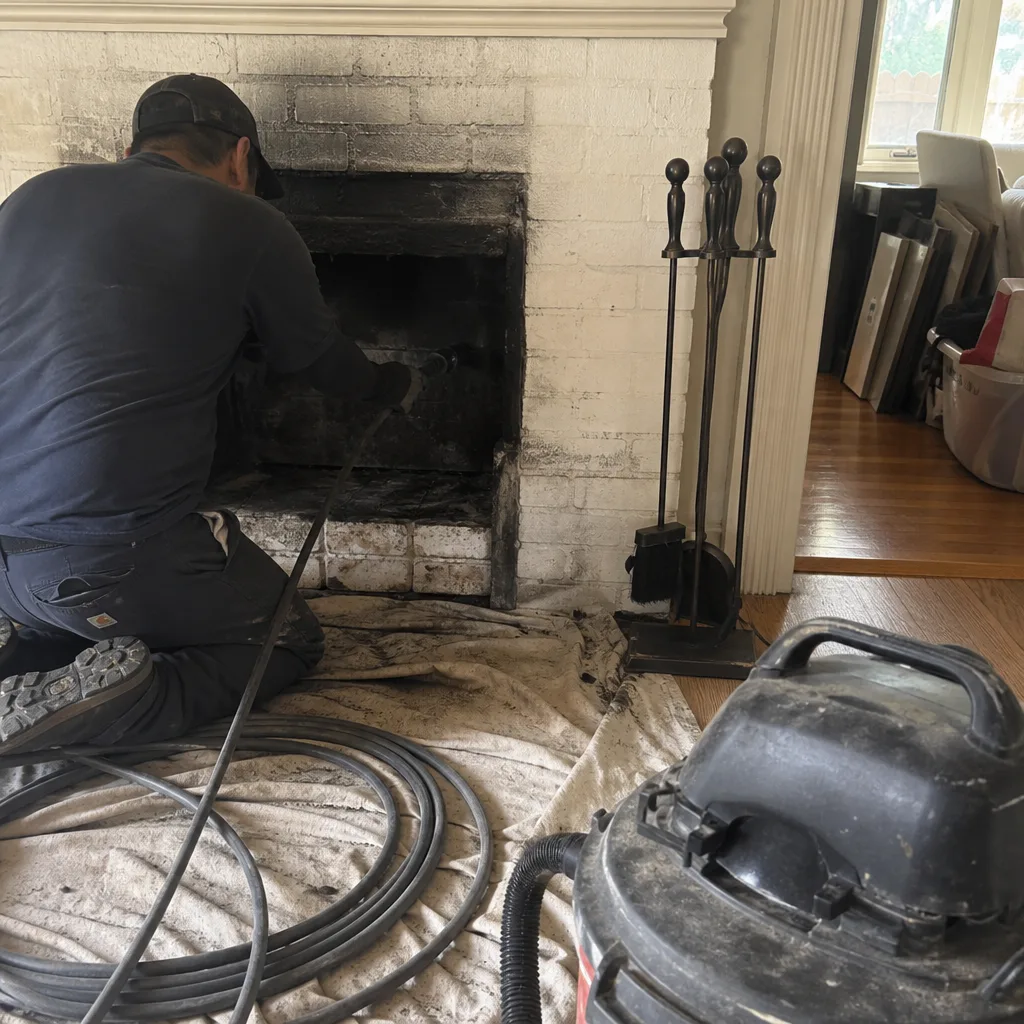 Before
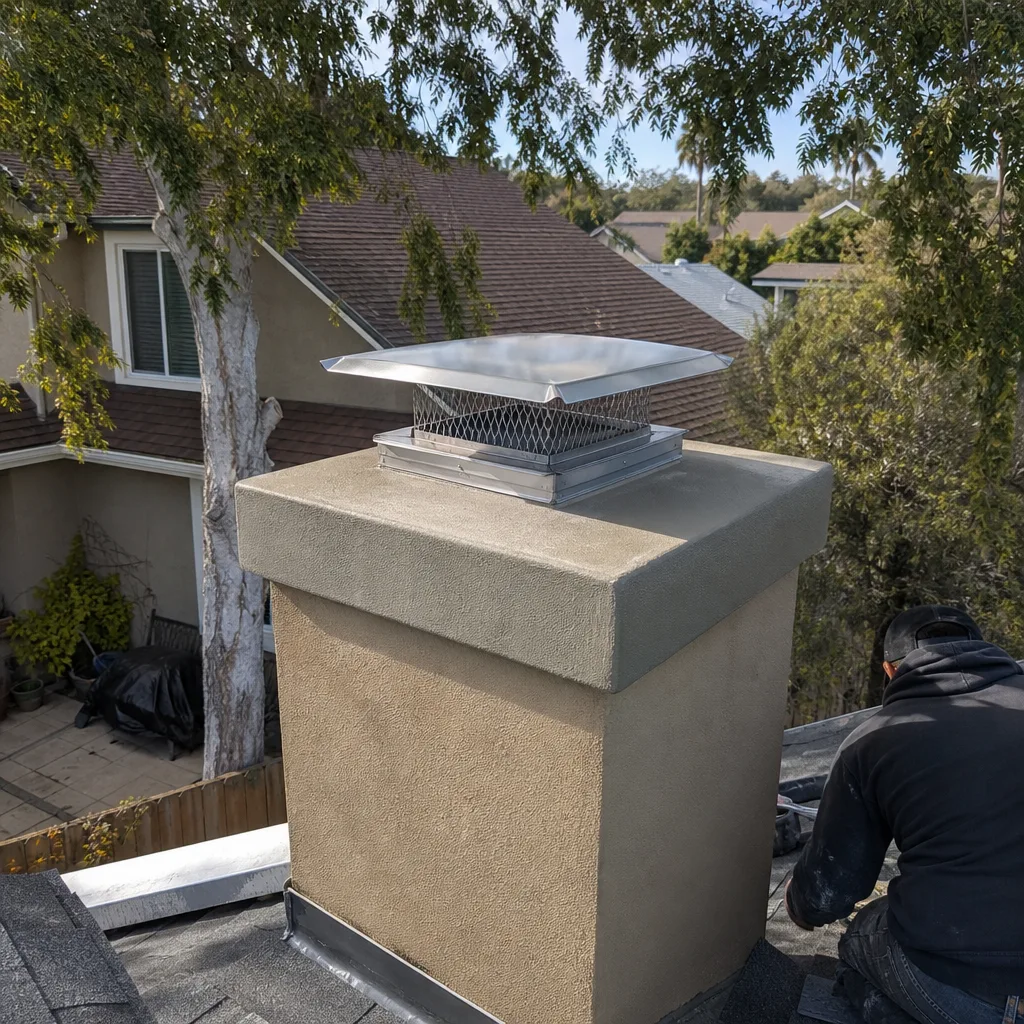 After
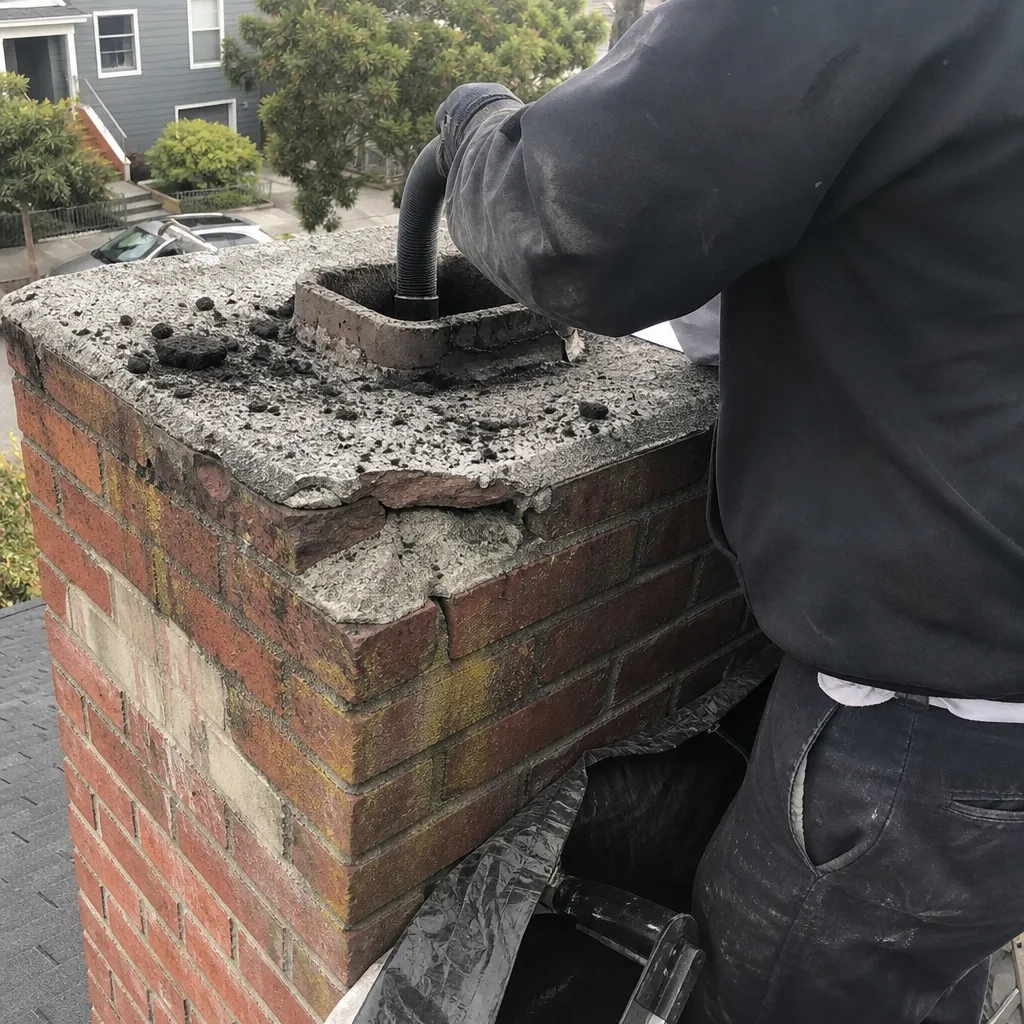 Before
 After
 Before
 After