
Last updated November 2, 2026
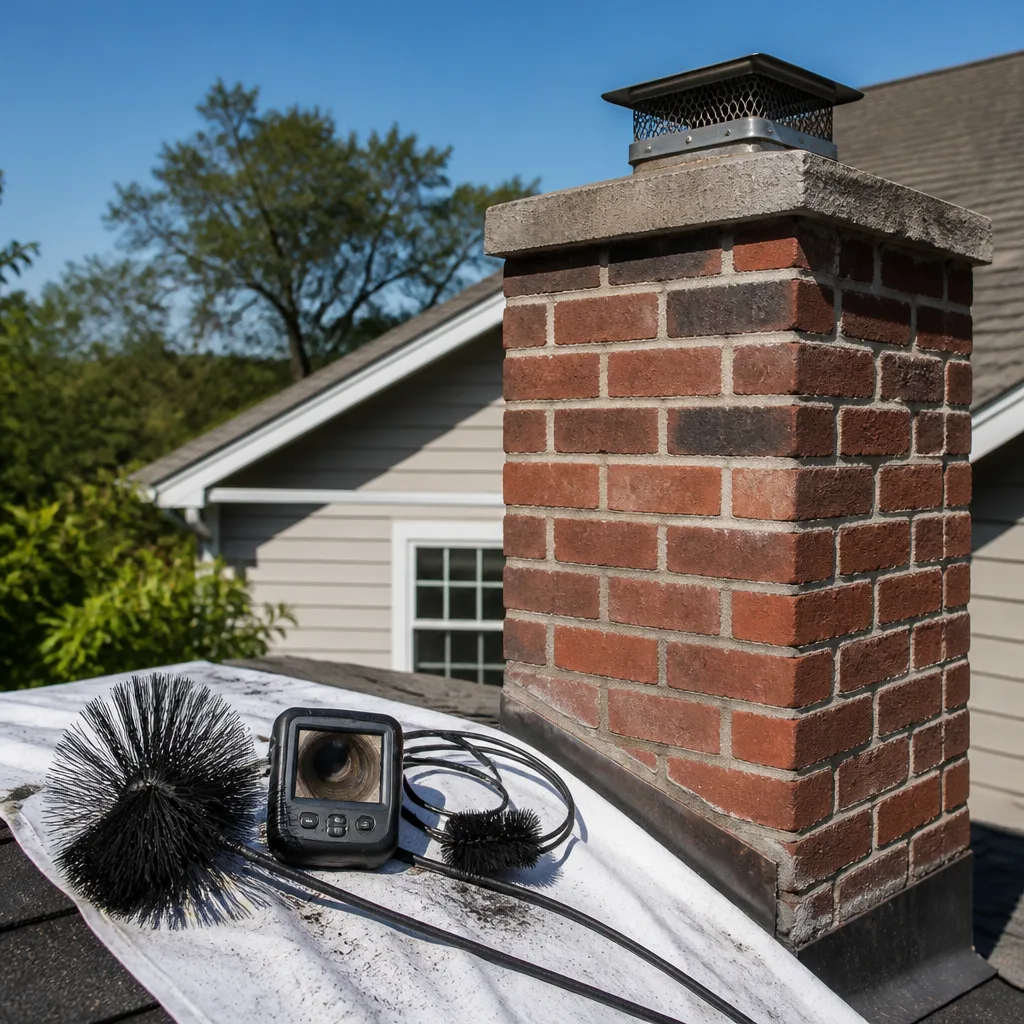 Sweep & inspection
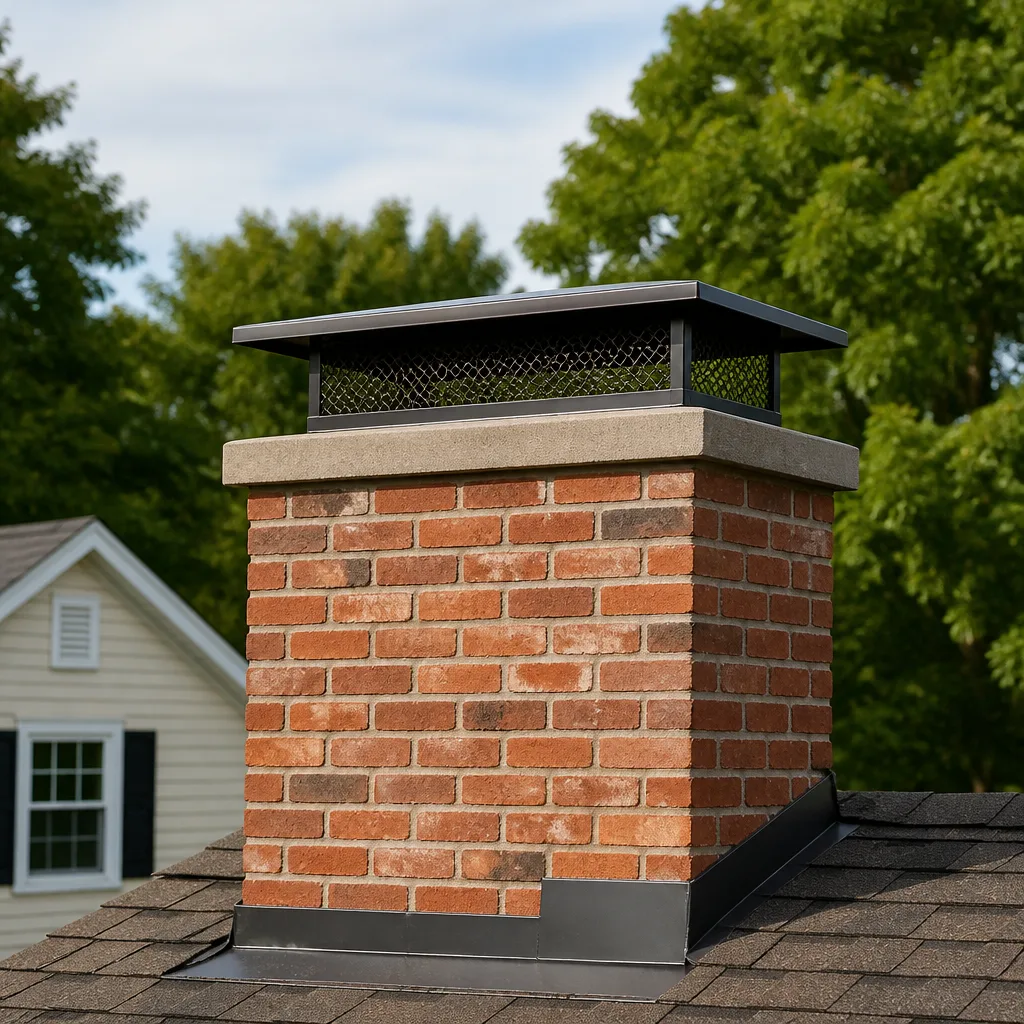 Caps & crowns
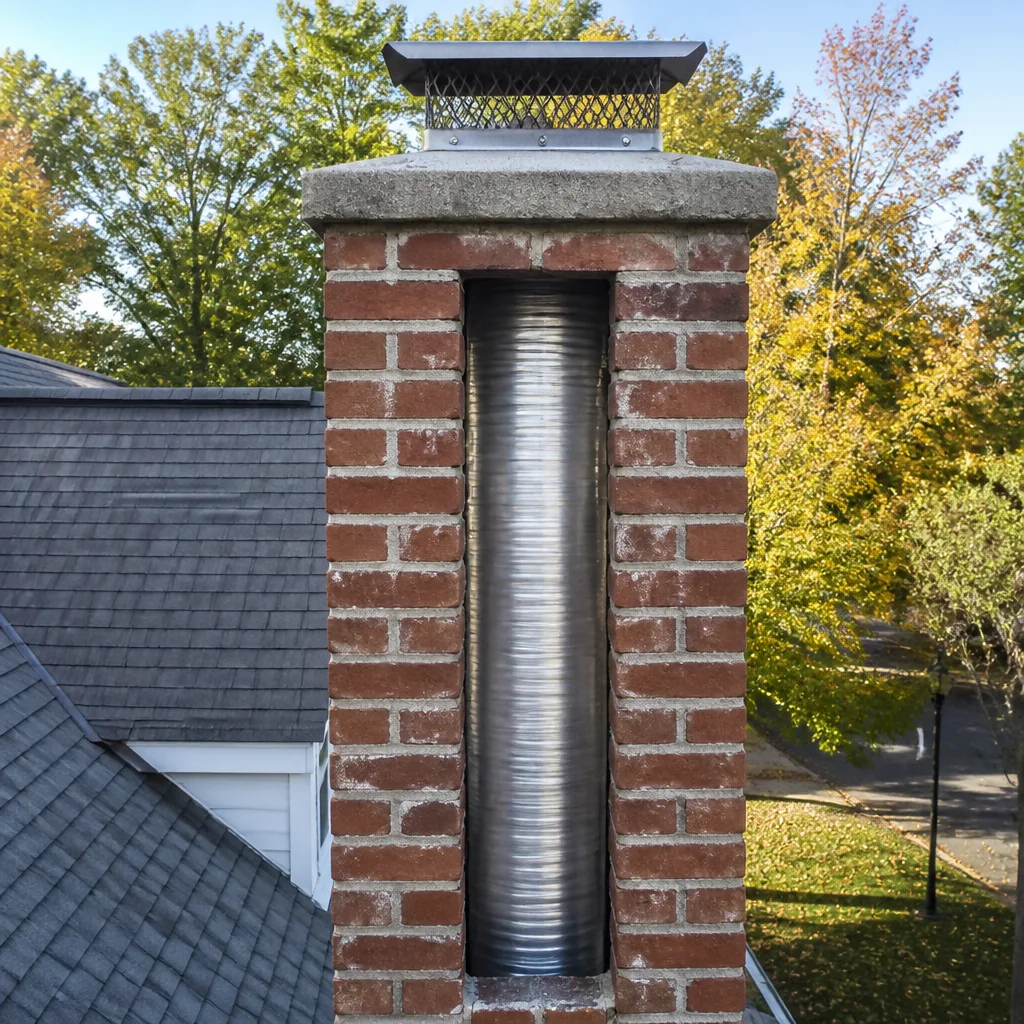 Flue relining
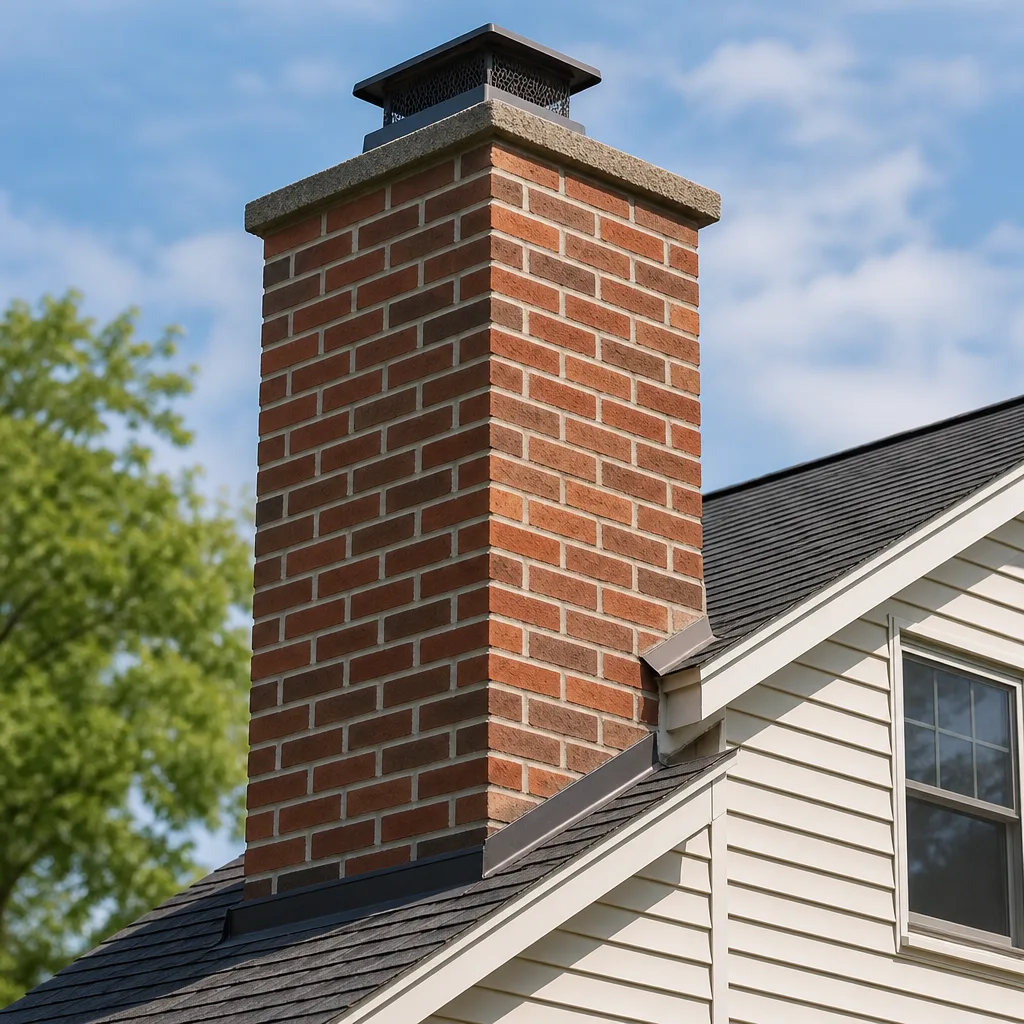 Masonry repair
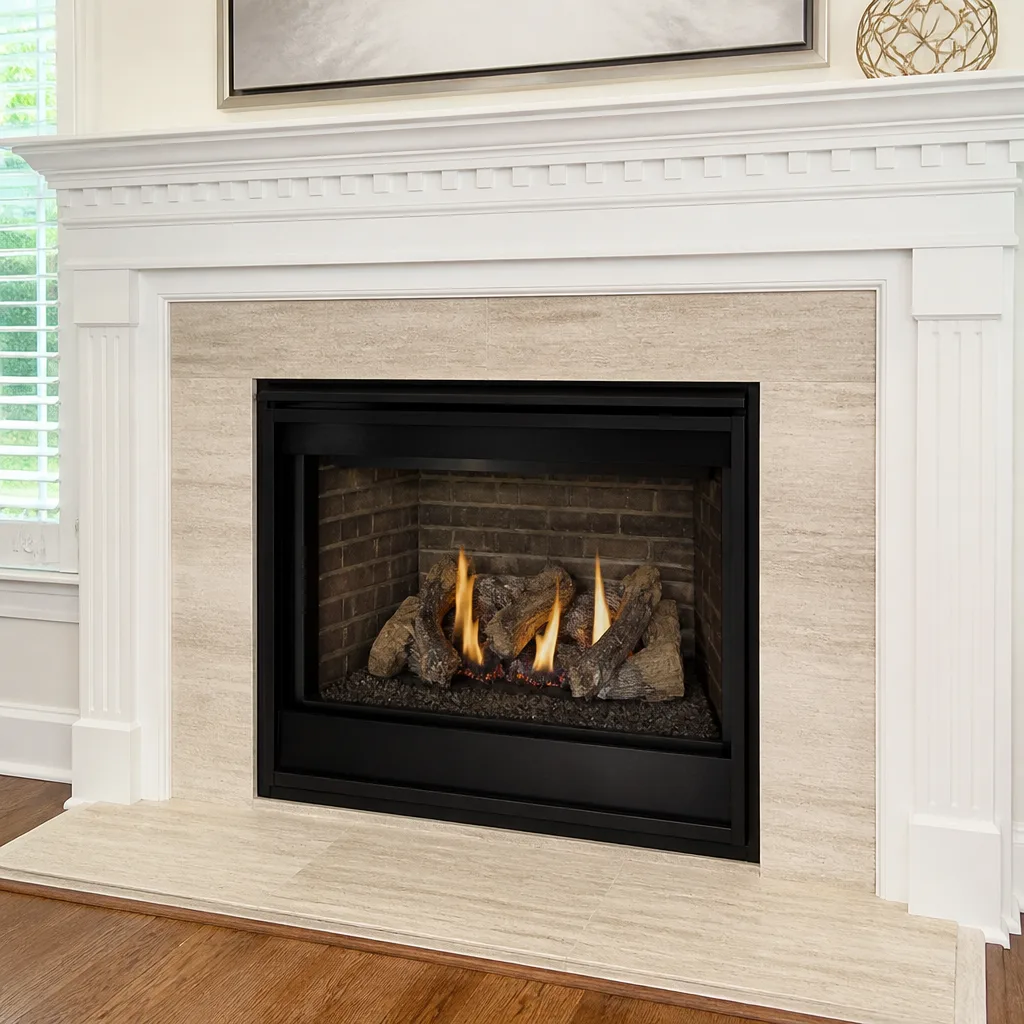 Gas fireplace service
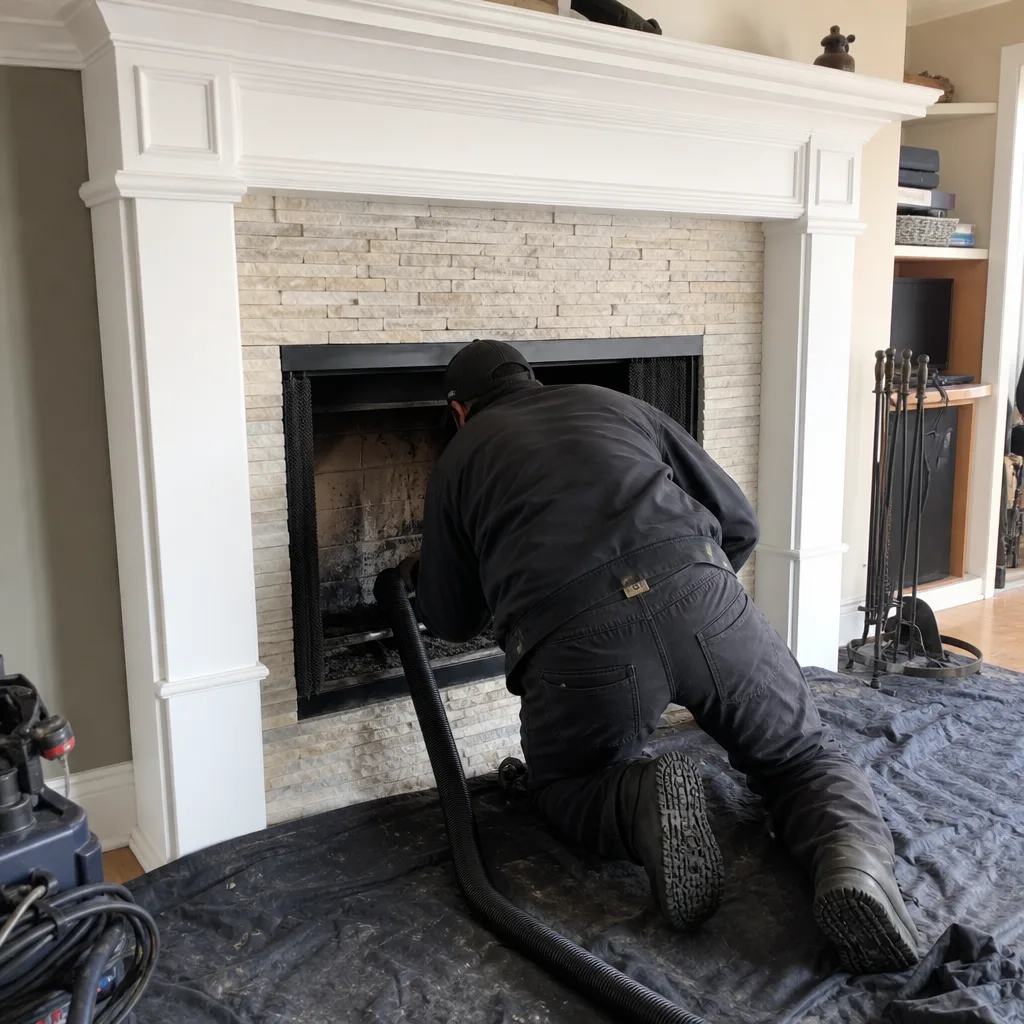
Level 1 sweep and inspection to the NFPA 211 annual standard - flue, crown, cap, and flashing checked and photographed
Chimney sweep logs do not sweep chimneys. They loosen some creosote - which then falls where a brush and vacuum still have to collect it.
Chimney Sweep Troubleshooting: Common Problems and How to Fix Them
The single most misdiagnosed chimney symptom in Alameda homes is smoke backdrafting into the living room. Nine out of ten homeowners blame the flue, the cap, or the chimney height when the actual culprit is negative air pressure caused by modern weatherization sealing the house too tightly. This guide walks you through the mechanical logic behind each common failure so you can describe the problem accurately, understand the true repair scope, and avoid paying for work you don’t actually need. We’re writing this from our perspective as chimney technicians who see these same issues week after week across Alameda’s bungalows, Victorians, and mid-century builds.
Quick Answer
Most chimney problems fall into four categories: draft failures (smoke entering the room), creosote accumulation (fire risk and odor), moisture intrusion (stains, efflorescence, rust), and mechanical damage (cracked liners, failed caps, warped dampers). A proper diagnosis requires understanding whether the failure originates in the flue, in the house’s air pressure, in the chase or cap assembly, or in the masonry itself. Start with the pressure differential test in Section 4 before calling anyone. It will save you from buying a reline you may not need.
Styles & brands we work with
- Sweep & inspection
- Caps & crowns
- Flue relining
- Masonry repair
- Gas fireplace service
Table of Contents
- The Pressure-Diagnostic Framework: Draft Problems Before Anyone Climbs on the Roof
- Creosote Degree Classification: Stage 1, 2, and 3 Explained
- Odor Troubleshooting by Season: Summer Smells vs. Winter Smells
- Reading Smoke Stain Patterns to Locate Draft and Sealing Failures
- Liner Damage: When HeatShield Restoration Works and When You Need a Full Reline
- What a Sweep Should Uncover vs. What a Sweep Shouldn’t Cause
- The Dryer Vent Connection: A Chimney Company’s Warning
The Pressure-Diagnostic Framework: Draft Problems Before Anyone Climbs on the Roof
Chimneys work on a simple principle: hot air rises, and the column of warm gases inside your flue creates a negative pressure that pulls combustion byproducts up and out. When that system fails, the first instinct is to point at the chimney itself. But a chimney is not a self-contained system. It’s one end of a pressure relationship with the house it serves. Understanding that relationship is the difference between a $200 fix and a $6,000 reline you never needed.
Here’s the framework we use in the field when an Alameda homeowner reports smoke backing into the room:
- Check the hour of the problem. Does the backdraft happen when the fire is first lit, or after it’s already burning for 30+ minutes? A cold-start backdraft usually means negative house pressure. A late-stage backdraft points to flue temperature or chimney geometry issues.
- Identify what’s running in the house. A bathroom exhaust fan, a kitchen range hood, or a clothes dryer pulling air out of the house can overwhelm a chimney’s natural draft. In Alameda’s older homes, the original building envelope was drafted assuming leaky windows and unsealed gaps. Seal those gaps during a weatherization retrofit, and the house suddenly can’t supply replacement air fast enough.
- Test the pressure differential. The simplest field method: open the nearest exterior door or window while the fireplace is burning. If the smoke stops backdrafting within 30 seconds, the problem is house pressure, not the chimney. This single test saves homeowners thousands of dollars in unnecessary liner replacements every year.
- Look for mechanical obstructions. A collapsed liner, a bird’s nest, a closed-off damper that won’t open fully, or a cap that has shifted can all reduce the flue’s effective opening. These are actual chimney problems, but the symptom presents the same way as a house-pressure issue.
In Alameda specifically, we see a lot of homes that were weatherized during the 2008-2012 retrofit period without anyone considering the existing fireplaces. The windows got sealed, the attic insulation got upgraded, and suddenly the chimney can’t breathe. We’ve diagnosed this exact scenario in Gold Coast, Fernside, and Bay Farm Island homes where owners had been told by other companies they needed a full reline. Sometimes they did. Often they needed a make-up air vent installed instead.
The key takeaway is this: before you agree to any chimney repair, run the window test. It costs nothing and tells you immediately whether you have a chimney problem or a ventilation problem.
Creosote Degree Classification: Stage 1, 2, and 3 Explained
Every chimney technician uses a three-stage classification system for creosote buildup, but few homeowners ever have it explained plainly. Here’s what each stage actually means, what removal involves, and which ones require professional chemical treatment.
Stage 1: Light, flaky soot. This is the dusty black or dark brown coating that brushes off easily. The creosote is mostly unburned carbon particles with some tar. Removal is straightforward: a standard chimney sweep with wire brushes does the job. Stage 1 creosote has the highest concentration of unburned volatile compounds, which means it’s the easiest to remove but also the most flammable if ignited. Most Alameda homeowners burning a couple of fires per week during winter end up with Stage 1 by March.
Stage 2: Crusty, flaked creosote. This is where it gets serious. Stage 2 looks like dark brown or black flakes or honeycomb-textured deposits. It’s denser, stickier, and no longer brushes off with a standard sweep. Professionals typically use rotary brushes with chain or steel-cable attachments to knock it loose. If you’re running a wood-burning insert or an old stove with no catalytic converter, you’re a candidate for Stage 2 buildup within a single burning season if you burn unseasoned wood.
Stage 3: Glazed, tar-like creosote. This is the bad stuff. Stage 3 is a hardened, shiny, glassy layer that can seal off 50-80% of your flue’s interior diameter. It forms when creosote undergoes repeated condensation and reheating cycles, turning into a nearly solid fuel layer. Removing Stage 3 requires chemical treatment with a catalyst agent like Gelco creosote remover, followed by aggressive mechanical removal. Even then, if the glazing has bonded to the liner itself, the flue may not be salvageable with cleaning alone. A professional needs to evaluate whether the liner wall is intact underneath.
The honest reality: if you have Stage 3 glazing, standard sweeping will not fix the problem. You need chemical treatment and likely a liner assessment. The good news is that most Alameda chimneys with regular annual maintenance never reach Stage 3. The ones that do are almost always abandoned fireplaces that got ignored for a decade and then re-lit.
Odor Troubleshooting by Season: Summer Smells vs. Winter Smells
Chimney odors are not a single problem with a single cause. When you smell a fireplace in July, it’s almost never the same issue you’d have in January. Here’s how we break it down, and why the season matters.
Summer odors: the humidity problem. In Alameda, summer brings cool maritime air and high relative humidity. When humid outside air enters a chimney and mixes with creosote deposits inside the flue, it creates the damp, acrid, campfire-like smell homeowners describe as “the fireplace stinks when it’s hot outside.” The mechanism is simple: creosote absorbs moisture from the air, releases volatile compounds, and those compounds sink down into the house because warm air inside the house rises and draws the damp chimney air down. The fix is not another cleaning. The fix is creosote removal plus a moisture management strategy: a properly fitted cap with a damper that seals tightly when closed, or a top-sealing damper for chimneys that sit unused during summer months.
Winter odors: the combustion byproduct problem. Winter odors tend to present as a stale smoke smell immediately after a fire, or a persistent burning smell that lingers hours later. This usually means one of three things: incomplete combustion is leaving smoke residue on the firebox walls, the flue is drafting poorly and pushing exhaust back down into the living space in small amounts, or there’s a build-up of Stage 2 or Stage 3 creosote that’s actively off-gassing. A third possibility, one we see often in Alameda’s older Victorians, is a chimney crown or cap leak that’s letting water drip onto the damper, rusting it and creating a musty overlay on top of the smoke smell.
The diagnostic question to ask: does the smell change when you close the damper completely? If yes, the odor source is downstream of the damper, and it’s a sealing issue. If no, the flue itself is the reservoir, and cleaning or chemical treatment is the only real solution.
One more seasonal variable specific to our area: Alameda sits right against the San Francisco Bay, so our summer fog and winter rain patterns affect chimney moisture year-round. Homes within a mile of the water see more cap corrosion and more moisture-driven odor problems than homes up in the East Bay hills. If you’re near the shoreline, an annual inspection catches cap decay before it becomes a full chimney smell problem.
Reading Smoke Stain Patterns to Locate Draft and Sealing Failures
Smoke leaves evidence. Before a technician even gets on the roof, the stains around your firebox, your mantel, and your exterior masonry will tell a story. Learning to read that story helps you understand what’s wrong and whether a repair recommendation is legitimate.
Stains on the firebox face, above the fireplace opening. A dark, fan-shaped smudge spreading up the brick or stone above the lintel suggests smoke is rolling forward out of the opening rather than being drawn up the flue. This points to a draft failure: negative house pressure, a flue too cold to establish draft, or an obstruction. It does not mean you have a dangerous leak in the flue itself. The window test from Section 4 should be your first move.
Stains at the mantel level or on the wall above the fireplace. If the staining is on the wallboard or plaster above the mantel, the smoke is penetrating through the masonry assembly, not just rolling out the front. This can indicate cracks in the firebox, a gap between the fireplace and the framing, or a failed damper seal. In Alameda’s older homes, where fireplaces were built with unreinforced masonry, we often see this pattern after an earthquake or after decades of thermal cycling.
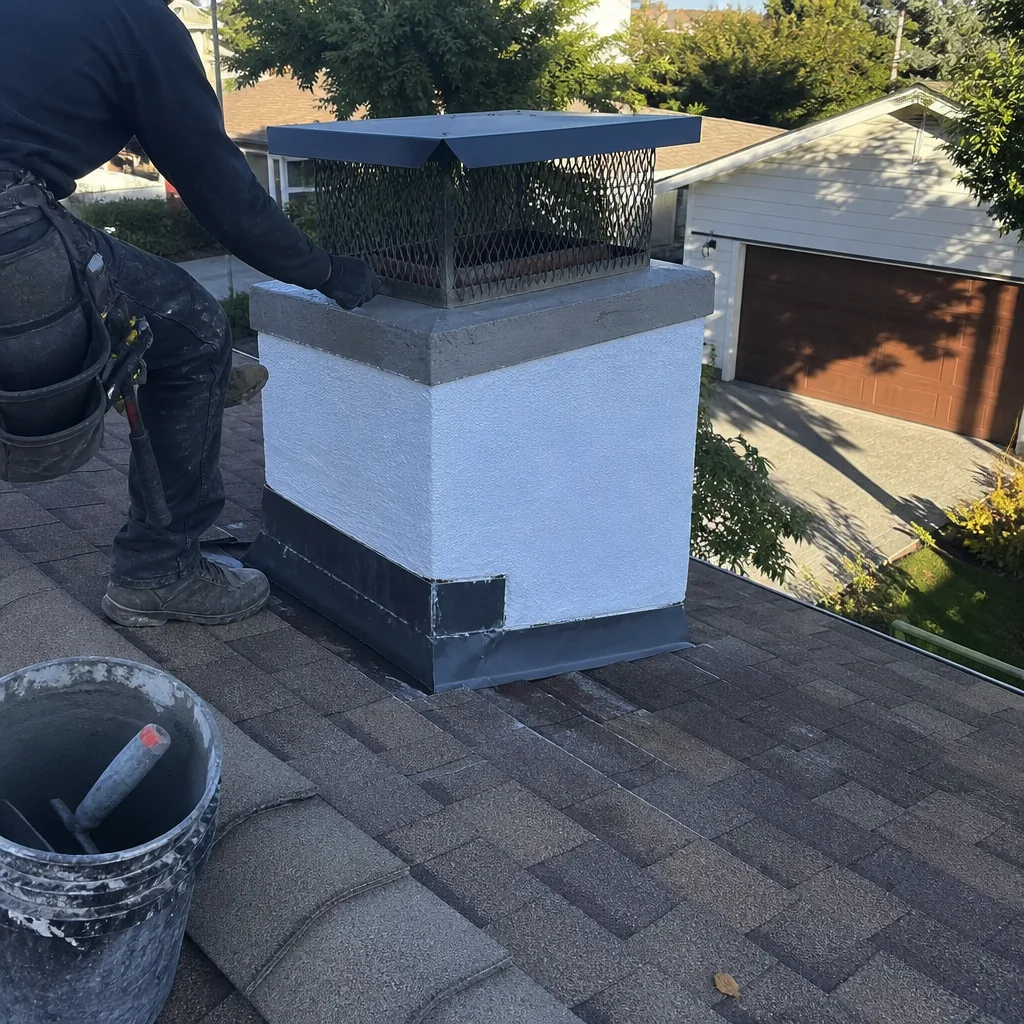
White or light gray streaks on exterior brick. That’s efflorescence, and it’s the masonry way of telling you water is moving through the chimney. Moisture seeps in, dissolves mineral salts in the mortar, carries them to the surface, and evaporates, leaving the white residue. It’s not smoke staining, but homeowners commonly mistake it for one. The upstream issue is usually a cracked crown, failed mortar joints, or a missing or separated cap.
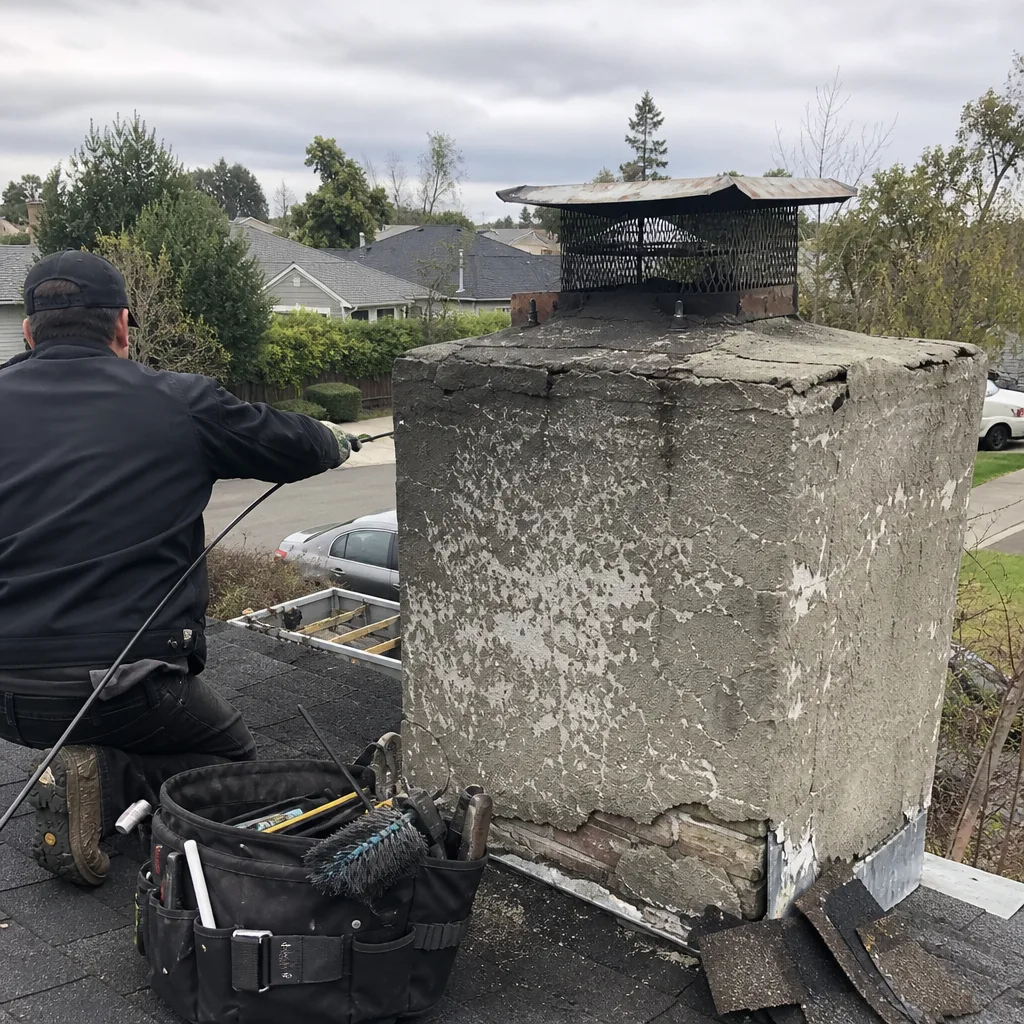
Dark staining at the top of the chimney, around the cap or flue tile. This is typically condensed creosote or soot. When the flue gasses cool too quickly before they exit, they condense on the terminal tile and run back down the outside of the tile or the crown. It shows the flue is either too large for the appliance, too cold, or the cap has become obstructed and is forcing exhaust downward.
Reading these patterns before you call a sweep means you’ll be able to describe the specific location and appearance of stains, which helps a technician diagnose faster. For context on what a thorough service should include, see our Complete Chimney Sweep Guide for Alameda Homeowners. It also means you can sanity-check a recommendation. If the technician tells you the liner is cracked and your only symptom is a fan stain above the firebox, you’re right to ask for camera evidence before agreeing to a reline.
Liner Damage: When HeatShield Restoration Works and When You Need a Full Reline
Liner damage is the most expensive chimney problem most Alameda homeowners will ever face. It’s also the area where unscrupulous contractors inflate the work scope. Here’s how we evaluate liner damage, and what the repair options actually look like.
What causes liner failure. Clay tile liners fail primarily through thermal expansion and contraction. Each hot-cold cycle stresses the tile joints, and eventually cracks develop. Water accelerates the process: moisture sits on the liner, freezes, thaws, and widens cracks. In a coastal climate like Alameda’s, where winter rain and summer fog keep chimneys damp for months, clay liners deteriorate faster than they do in dry inland areas.
The camera inspection truth. We never recommend structural chimney work without a camera inspection, and neither should any company. The camera doesn’t lie. It shows exactly where cracks are, how wide they are, and whether the tile has spalled away from the mortar. If a chimney technician diagnoses liner failure by eye alone, get a second opinion. In our experience, about one in five homeowners who come to us for a second opinion on a liner replacement didn’t actually need one.
When HeatShield restoration makes sense. HeatShield is a ceramic-based mortar compound that can be applied directly over damaged flue tiles to restore their integrity and fill cracks. It’s the same professional-grade approach we use when the liner has minor cracking or joint separation but the flue is still structurally sound. The benefit is cost: restoration typically runs 35-50% less than a full reline, and it can be done in a single day. It qualifies under most building codes as a repaired system.
When a full reline is non-negotiable. There are cases where restoration won’t work. If the original tile liner has collapsed and is blocking the flue, if the flue is severely offset, or if the masonry has shifted and the chimney itself is no longer straight, you’re looking at a full stainless steel reline. That’s where a product like DuraFlex comes in: flexible, code-compliant, and designed for long-term performance in any flue geometry. The decision between HeatShield and a full reline should always be made with camera footage on screen, not over a sales pitch.
What a Sweep Should Uncover vs. What a Sweep Shouldn’t Cause
There’s a distinction most homeowners never think about until something goes wrong: the difference between a problem a chimney sweep discovers versus a problem the sweep themselves creates. Understanding that line will prevent unnecessary anxiety and protect you from either side of a bad transaction.
Legitimate post-service findings. After a thorough sweep, it is completely reasonable for a technician to tell you about creosote that was beyond Stage 1 and required aggressive removal, or to recommend a follow-up because they found evidence of a water leak, a cracked tile, or a failing cap. These are real discoveries that a competent sweep makes during the process. If we’re in an Alameda home and we find a liner crack, we show the camera footage right there on the spot. A legitimate finding comes with visual evidence, not just a verbal warning.
The problem a sweep can cause: the missed flue obstruction. The most common sweep-adjacent complaint we hear is the homeowner who paid for a cleaning and then lit a fire, only to have smoke pour into the room. Sometimes the sweep dislodged creosote that fell and blocked the flue lower down, or a bird’s nest was disturbed and collapsed. Other times, the sweep didn’t actually clear the flue fully. This is a service failure, not a legitimate recommendation for more work. The repair should be covered by the original company.
The problem a sweep should never cause: damage to the liner or firebox. Improper brush sizing, overly aggressive chain whipping, or using a rotary system on a liner that was already fragile can chip tile or scratch a stainless liner. We’ve seen cases in East Bay homes where a bargain sweep left stainless liners scored with wire marks, creating new creosote adhesion points. That’s a warranty-worthy complaint against the original company, and the repair should be on their dime.
What you can reasonably expect from a legitimate sweep in Alameda. A full cleaning with soot removal documented, creosote stage classified in writing, damper operation checked, and a clear explanation of any additional findings that includes visual evidence. The company should also check the rain cap, the crown, and the flashing where visible. We use professional-grade equipment and supplies from manufacturers like Gelco and Copperfield because those brands are built for commercial contractors, not weekend home center shelves. That choice matters when a technician is working inside a flue that hasn’t been cleaned in five years.
The Dryer Vent Connection: A Chimney Company’s Warning
Most homeowners don’t think of a chimney sweep company as a dryer vent resource, but the two systems share the same physics: hot air moving through a confined passage, leaving behind flammable residue. Clothes dryer vents accumulate lint, and lint is astonishingly flammable. The National Fire Protection Association reports that dryer vent fires account for thousands of residential fires every year, making dryer vents just as much a safety system as any chimney flue.
In Alameda specifically, many homes have long dryer vent runs that snake through walls or crawlspaces to reach an exterior exit. The longer the run, the more lint accumulates in elbows and transition points, and the harder the dryer works to push air through. Combine that with the humid coastal air that makes lint clump and stick, and you have a recipe for a vent that’s 60-80% blocked without the homeowner ever knowing it. The same weather factors that cause chimney odor problems cause dryer vent blockages to form faster here than in drier climates.
Here’s what we tell every Alameda homeowner about dryer vent maintenance:
- Annual cleaning is the floor, not the ceiling. If you run more than four loads per week, every 6-9 months is more realistic.
- Watch for the signs: clothes taking two cycles to dry, a hot laundry room, a burning smell while the dryer runs, or lint accumulating around the exterior vent.
- Never ignore a slow-dry symptom. It’s not an appliance issue; it’s a ventilation warning.
- Flexible plastic or foil vent tubing is a fire hazard. Rigid metal ducts are the only appropriate material, and code in Alameda reflects that.
We offer dryer vent cleaning as a fire-safety service, not as an afterthought. Most chimney-only companies won’t touch a dryer vent because it’s outside their service menu. But a company that sweeps chimneys all day understands exactly how a clogged vent behaves, and why ignoring it is gambling with your home.
Common Mistakes to Avoid
- Lighting a fire before checking the damper position. A damper that’s only partially open restricts flue flow and pushes smoke into the room. Open it fully, confirm it stays open, then light the fire.
- Burning unseasoned wood in an Alameda winter. Green wood produces cooler fires and more incomplete combustion, which accelerates Stage 2 creosote formation. Seasoned hardwood only.
- Ignoring a summer odor and assuming it will go away. It won’t. The moisture interaction that causes summer chimney smells only worsens as creosote absorbs more humidity through the fog season.
- Accepting a liner replacement recommendation without camera evidence. Never approve structural chimney work on a verbal diagnosis. Demand to see the footage, and ask why restoration isn’t an option.
- Closing the damper too soon after a fire. Let the fire die completely. Closing the damper while embers are still generating carbon monoxide traps that gas in your home.
- Using the fireplace as a heat source while range hoods and bath fans run. That combination creates negative pressure and pulls smoke back down the chimney. It’s the most common backdraft trigger in modern Alameda homes.
- Skipping annual maintenance because “we only use it a few times a year.” Infrequent use doesn’t mean less risk. It means the chimney sits cold and damp for months, creating conditions for corrosion and creosote moisture absorption.
See the difference
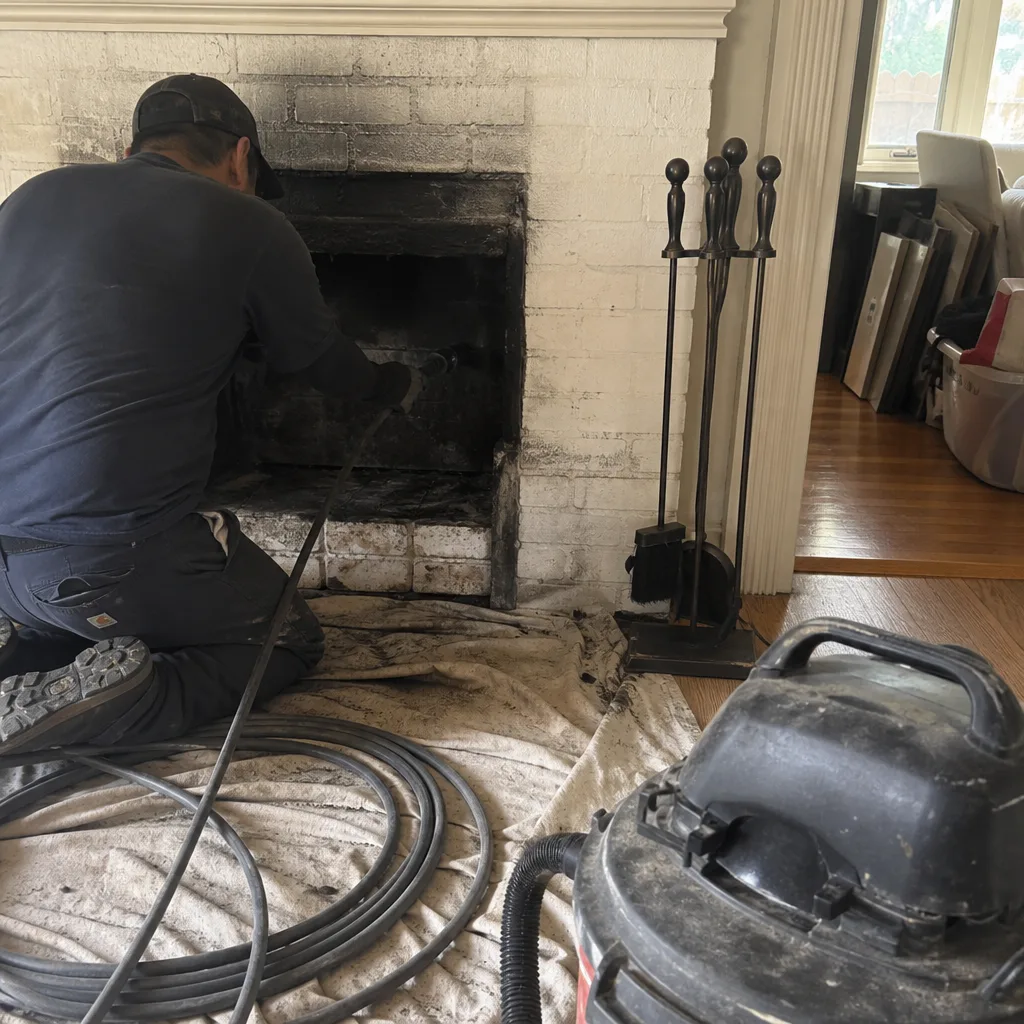 Before
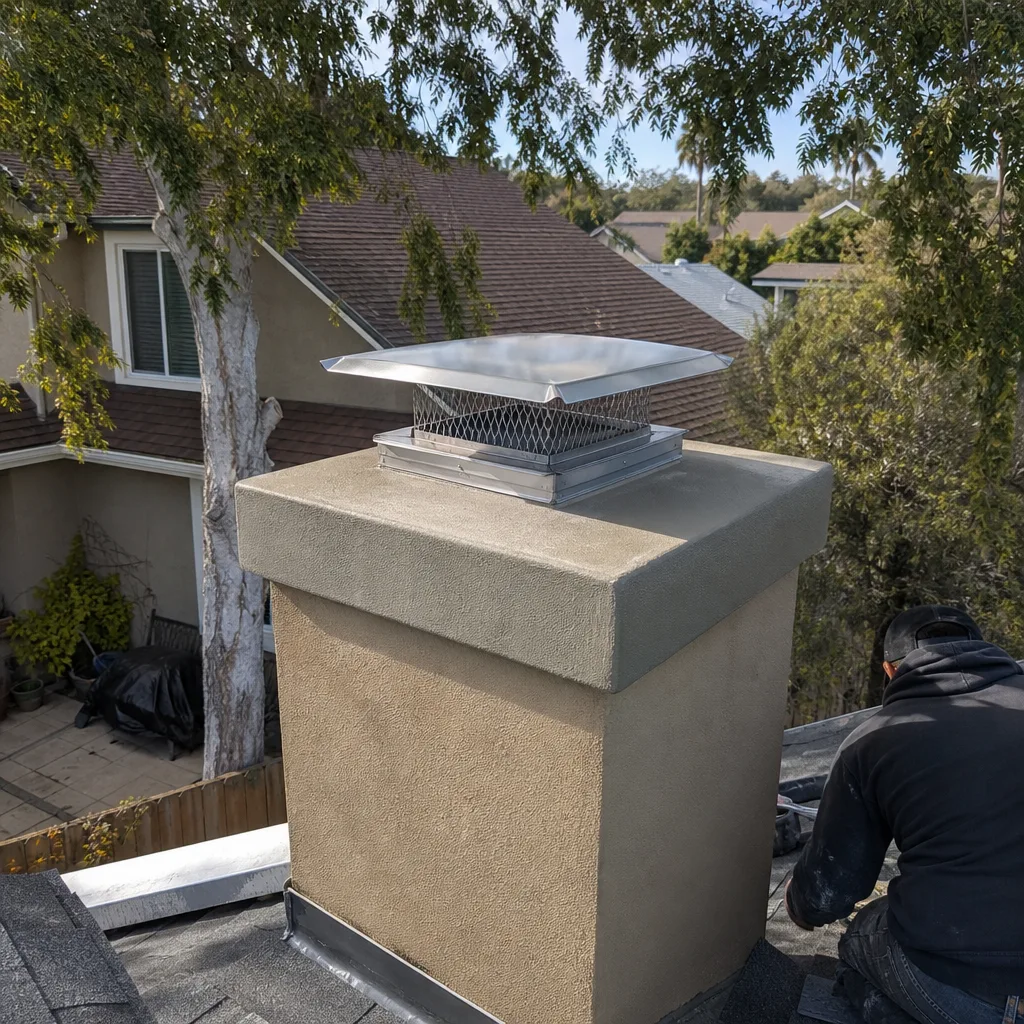 After
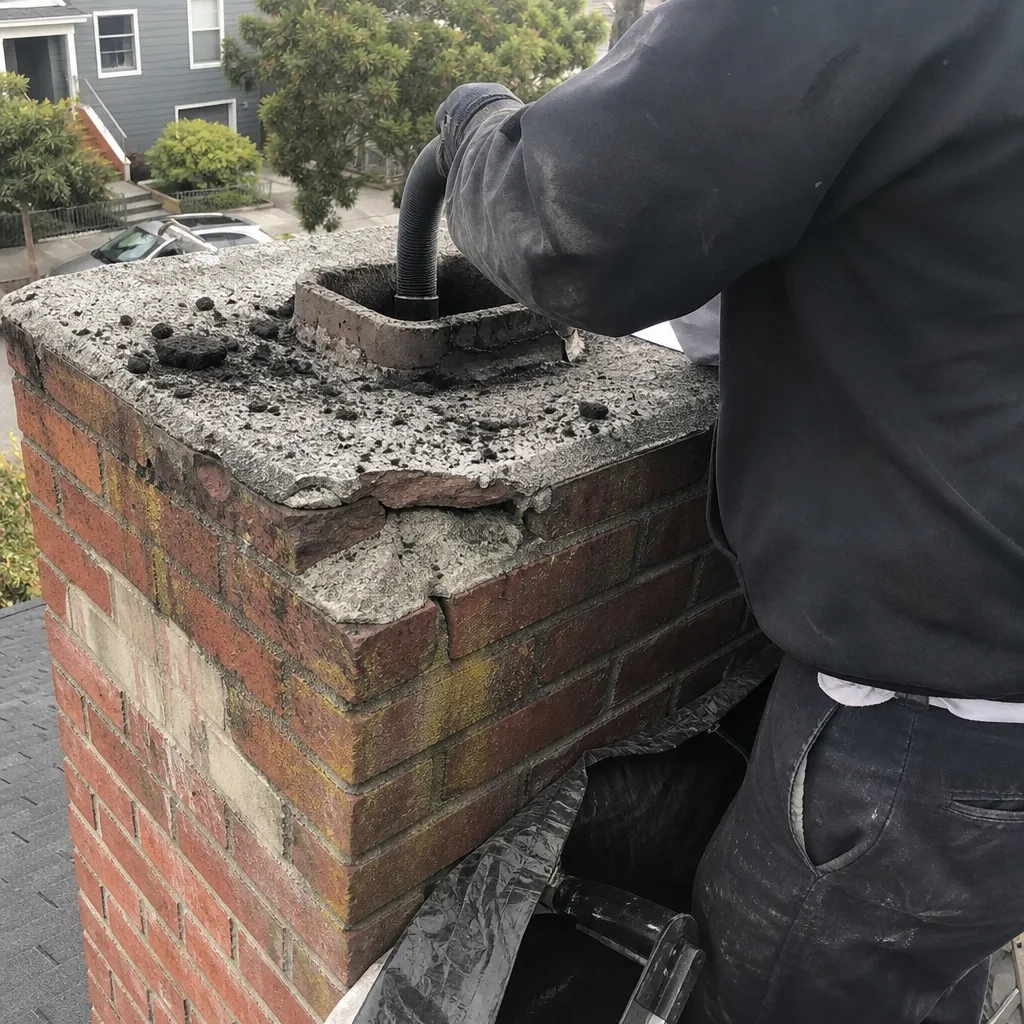 Before
 After
 Before
 After
When to Call a Professional
You should call a chimney technician when you see any of these: smoke backdrafting into the room that doesn’t resolve with the window test, Stage 2 or Stage 3 creosote buildup, white efflorescence or water staining on interior or exterior masonry, a persistent odor that doesn’t clear after a fire, or any visible crack or spalling in the firebox. If you’re not sure what you’re looking at, that’s exactly when a professional assessment is worth the cost. We also recommend an inspection any time you buy an Alameda home with an existing fireplace or wood stove. The previous owner’s maintenance habits are rarely disclosed, and floors are often wrong. Ambassador Chimney Sweep offers free estimates in Alameda. Call (877) 752-4931 to schedule an evaluation, and we’ll walk you through what we find with camera footage in hand.
Frequently Asked Questions
A standard chimney sweep in Alameda typically runs between $150 and $300 depending on the flue size, accessibility, and creosote stage. Homes with Stage 2 or Stage 3 buildup, or those requiring chemical treatment, will run higher. Call (877) 752-4931 for an exact quote – estimates are free.
The National Fire Protection Association recommends an annual inspection and sweeping as needed, which for most Alameda homeowners means once per year. If you burn more than two cords of wood per season, or if you notice Stage 2 creosote forming, schedule twice-yearly maintenance.
Many liners can be restored with a HeatShield treatment rather than replaced entirely. The determining factors are the number and severity of cracks, whether the original tile is still in place, and the structural condition of the chimney itself. A camera inspection gives the definitive answer. We never recommend a full reline without showing you the footage.
Skipping maintenance allows creosote to accumulate and moisture to penetrate. The result is an escalating fire risk, potential carbon monoxide leaks through cracked liners, and masonry deterioration that becomes exponentially more expensive to repair. What starts as a $200 sweep becomes a $6,000+ reline after enough neglect. Call (877) 752-4931 if you’re unsure when your chimney was last serviced.
Summer chimney smells almost always come from humidity interacting with creosote inside the flue. The damp air absorbs the creosote’s volatile compounds and carries them down into the house. The solution is creosote removal plus a tight-sealing damper or top-sealing cap. This is especially common in homes near the Alameda shoreline.
In many cases, yes. Our team carries the components and materials to address issues on the spot. If we find a crack during a sweep, we can often quote a HeatShield restoration or liner repair immediately rather than leaving you waiting for a second visit. That’s the advantage of working with a company that handles both sweeping and repair. Call (877) 752-4931 to schedule an evaluation.
The Bottom Line
Chimney troubleshooting isn’t about matching a symptom to a checklist. It’s about understanding how a chimney interacts with the house it serves, the weather it endures, and the fuel it burns. The backdraft that seems like a flue problem is often a house-pressure problem. The summer smell isn’t a winter problem in disguise; it’s a moisture interaction issue. By running the window test, classifying creosote correctly, reading stain patterns, and demanding camera evidence for structural recommendations, you protect yourself from both chimney hazards and chimney upsells. Alameda’s damp coastal climate makes regular maintenance more important than it is inland, and a professional chimney technician who understands local conditions is worth their weight in liner footage. If you need a chimney sweep done right, our Chimney Sweep in Alameda service or Chimney Repair in Alameda team is ready when you are. And if you haven’t thought about your dryer vent in a while, that’s a conversation worth having too – our Dryer Vent Cleaning in Alameda service exists to address a fire risk most homeowners never see.
Written by the team at Ambassador Chimney Sweep, serving Alameda since 2014. Explore more guides & resources from our team.