
Last updated November 2, 2026
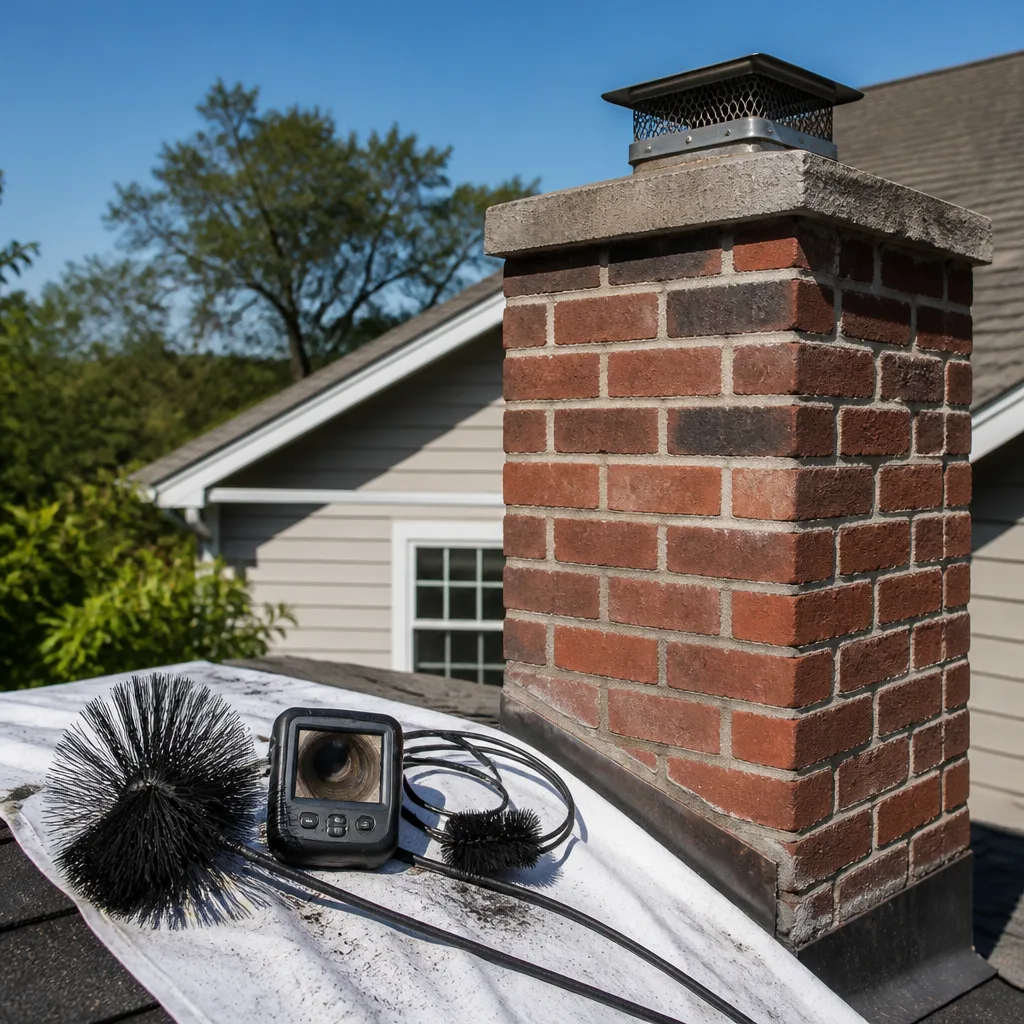 Sweep & inspection
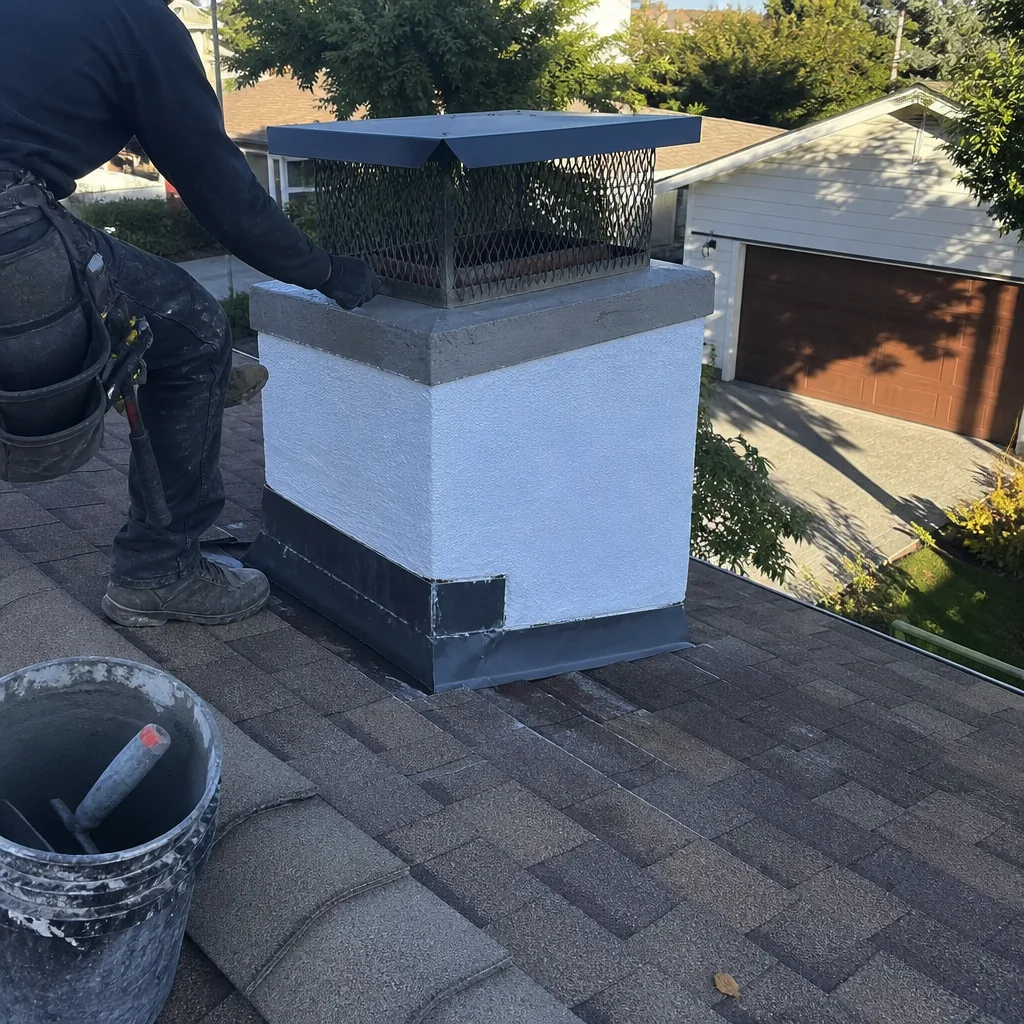
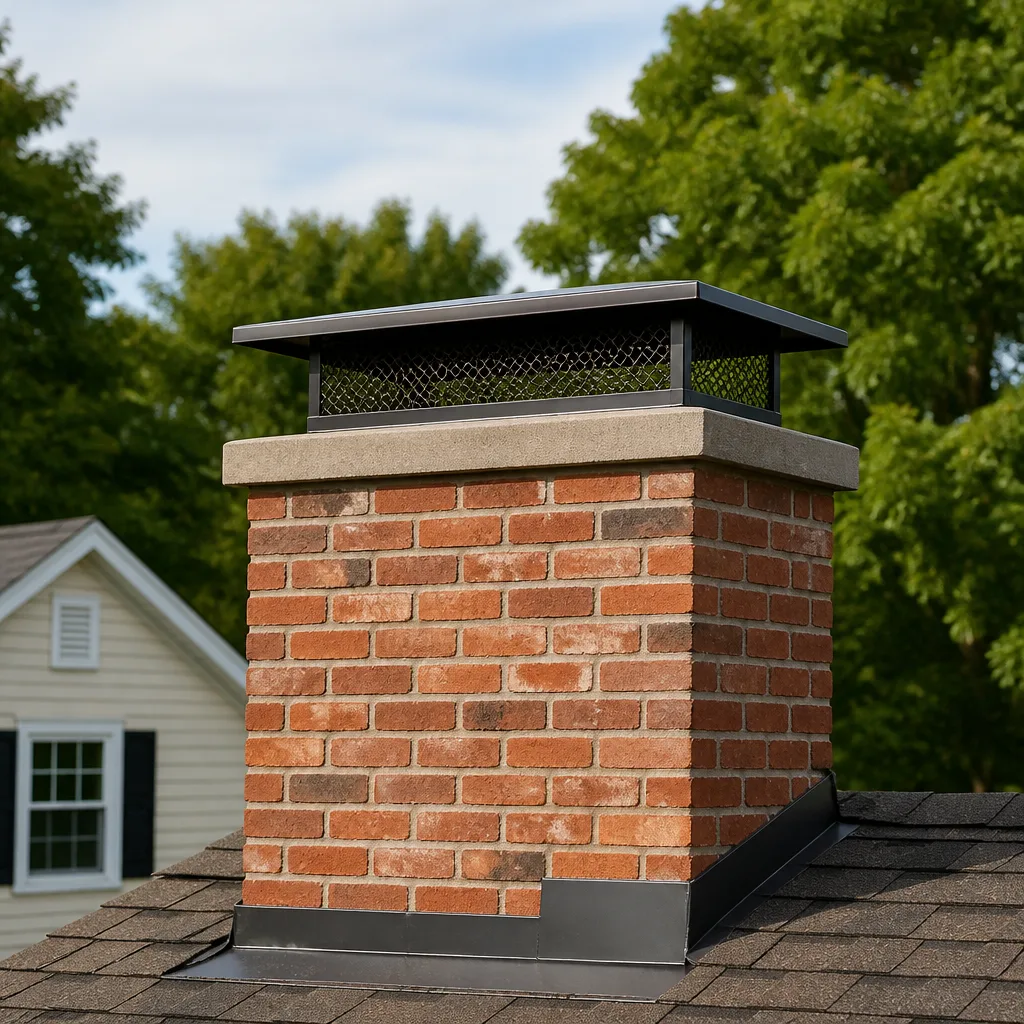 Caps & crowns
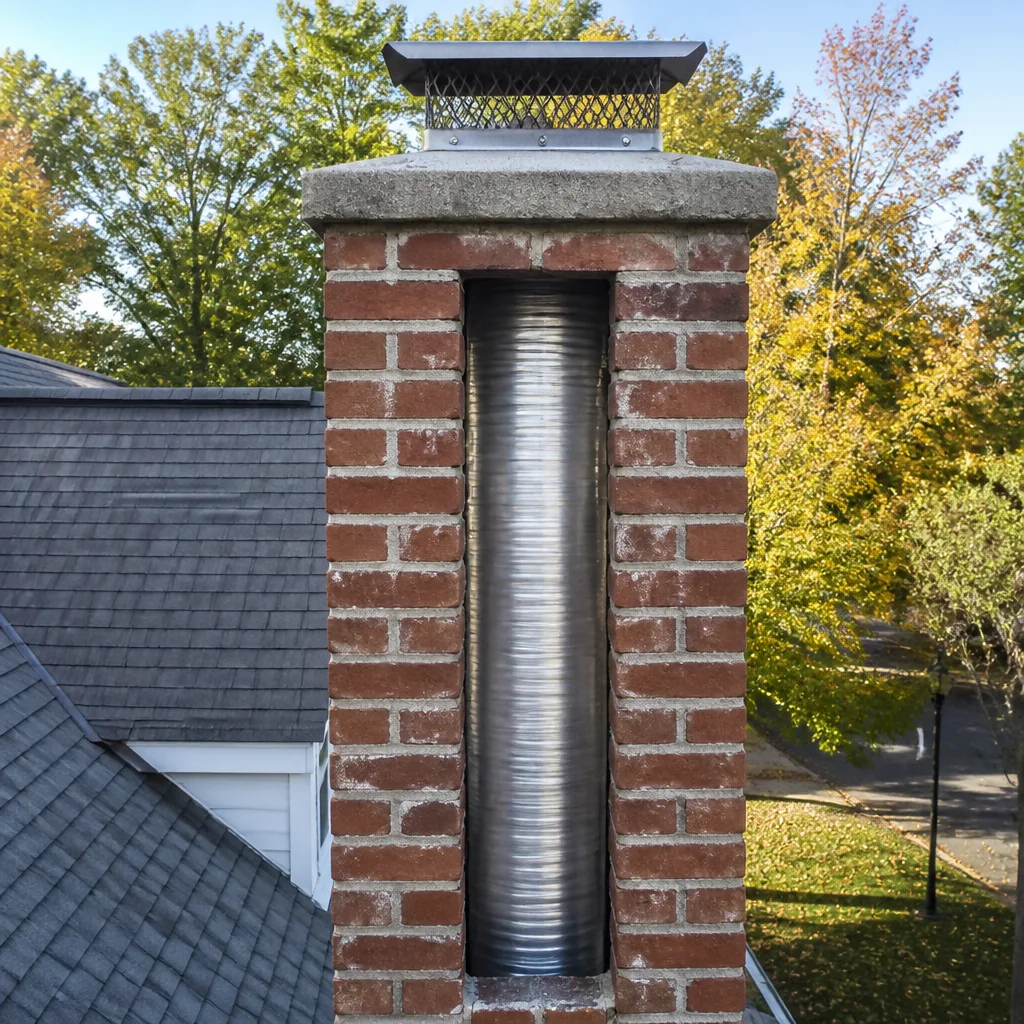 Flue relining
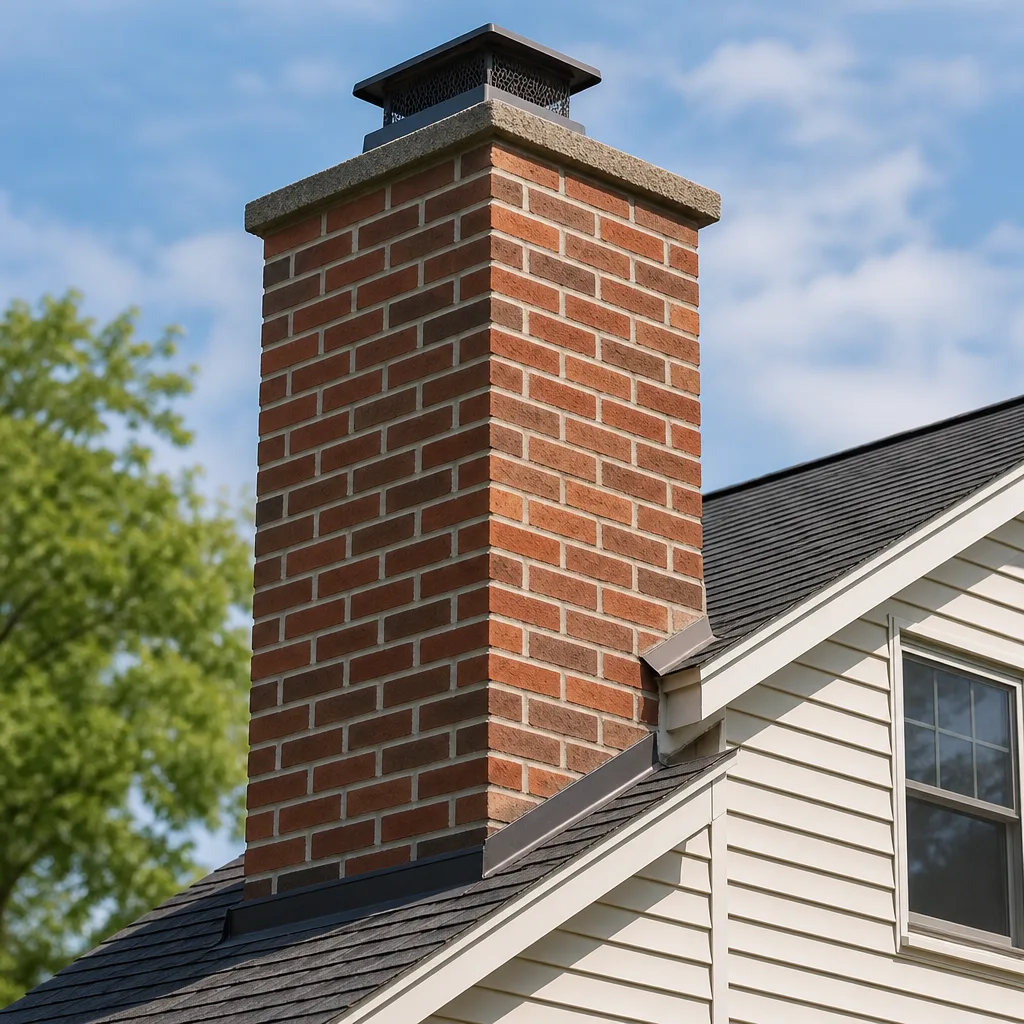 Masonry repair
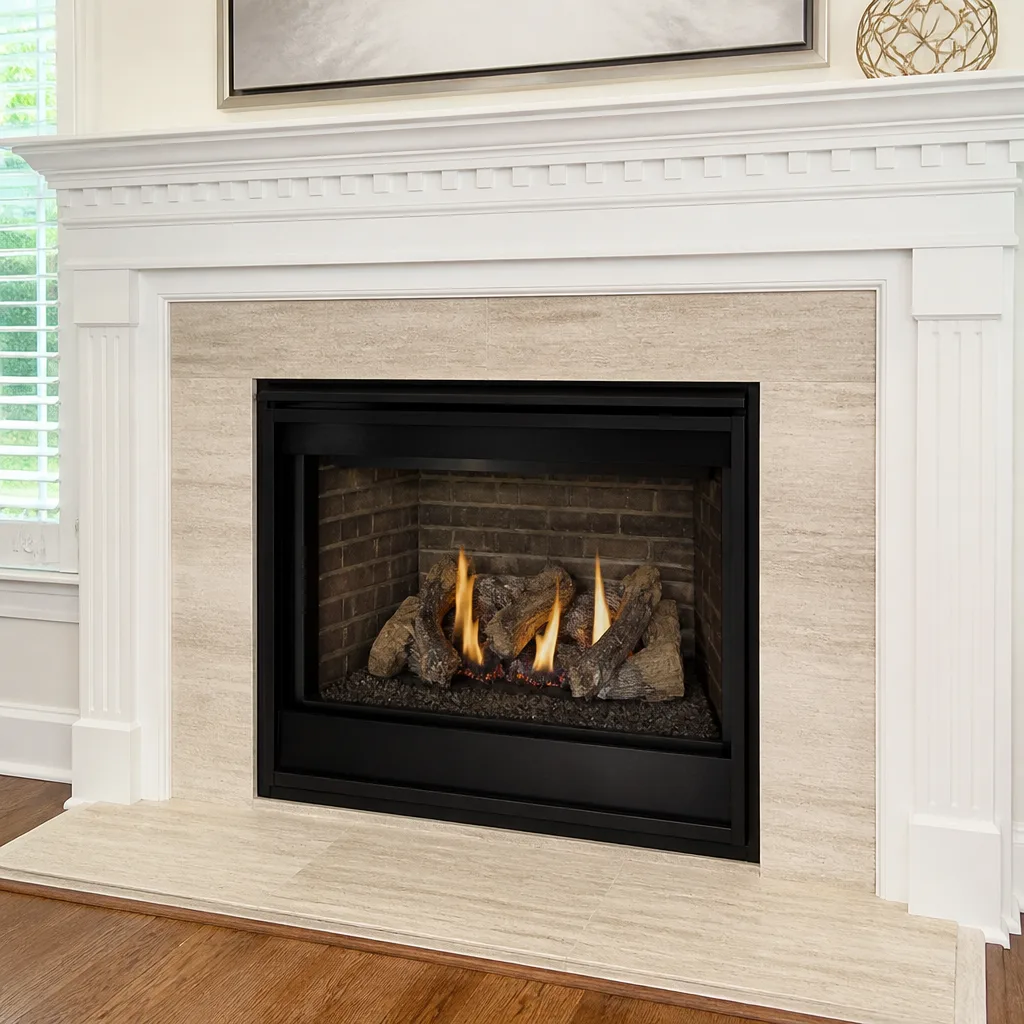 Gas fireplace service
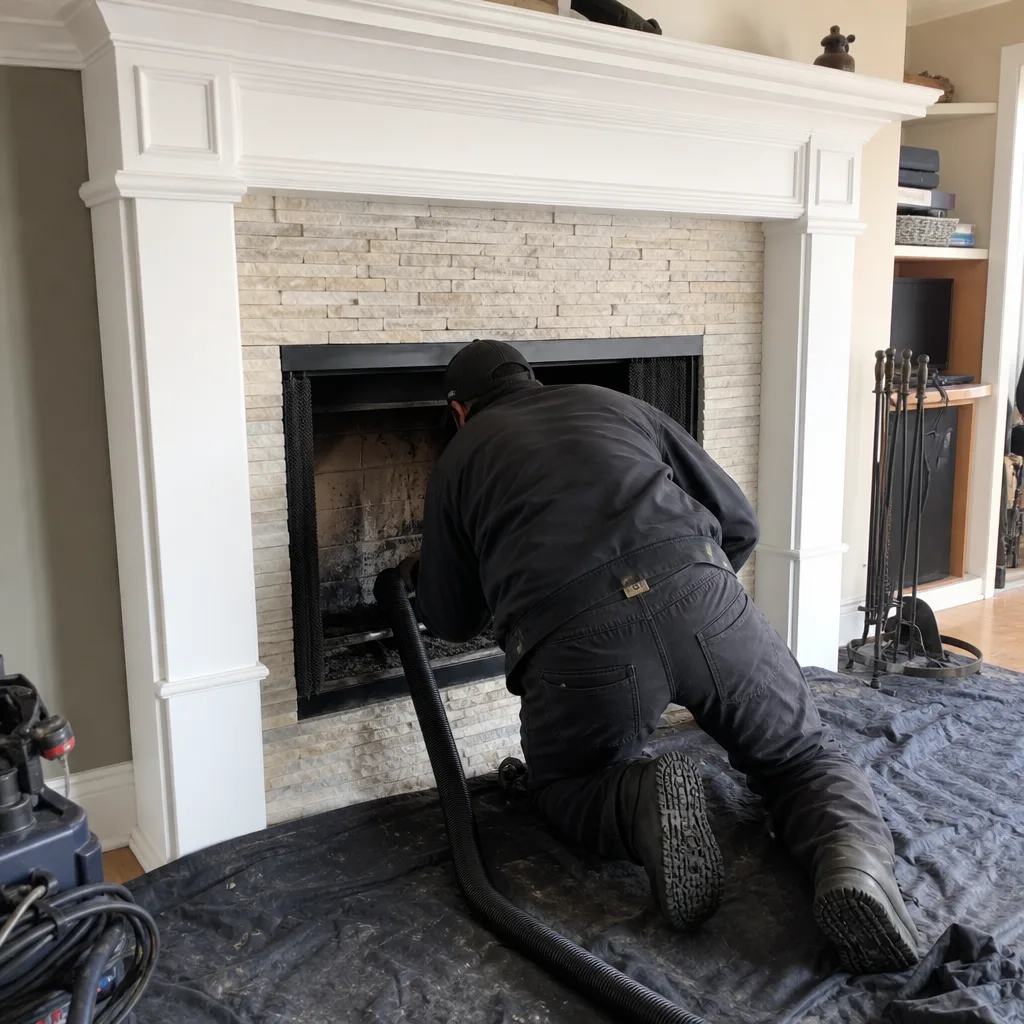
Level 1 sweep and inspection to the NFPA 211 annual standard - flue, crown, cap, and flashing checked and photographed
Chimney sweep logs do not sweep chimneys. They loosen some creosote - which then falls where a brush and vacuum still have to collect it.
DIY vs Professional Chimney Cleaning: The Alameda Homeowner’s Decision Guide
Here’s a number that should reframe this whole debate before you buy a brush: the National Fire Protection Association attributes roughly one in four home heating fires to failure to clean the chimney. That failure isn’t always about skipping the cleaning altogether. A meaningful share of those fires happen in chimneys that were cleaned by someone who didn’t know what they were looking at. You can buy the same brush a chimney sweep uses off Amazon for about $40. The part you can’t buy is knowing what you’re looking at when you shine a light into the flue. This guide will walk through what DIY can genuinely accomplish, what it can’t, and how Alameda’s specific housing stock changes the math entirely. For more guides & resources, see our blog.
Quick Answer
For most Alameda homeowners, professional chimney cleaning is worth the cost because the real value isn’t soot removal, it’s the diagnostic access that comes with it. A DIY cleaning can remove loose creosote from a straight flue, but it cannot assess liner cracks, hidden blockages, or code compliance issues that determine whether the chimney is safe to fire at all. In pre-1970 Alameda homes with original terracotta liners, that diagnostic gap is where the actual fire risk lives.
Styles & brands we work with
- Sweep & inspection
- Caps & crowns
- Flue relining
- Masonry repair
- Gas fireplace service
Table of Contents
- What DIY Chimney Cleaning Actually Accomplishes
- What DIY Cannot See: The Diagnostic Gap
- Why Alameda’s Housing Stock Changes the Calculation
- The Honest Cost Comparison: DIY vs Professional
- Insurance and Liability: What California Homeowners Need to Know
- The Middle Path: What to Maintain Yourself, What to Hand Off
- Common Mistakes to Avoid
- When to Call a Professional
- Frequently Asked Questions
What DIY Chimney Cleaning Actually Accomplishes
Let’s be fair to the DIY case, because it’s not nothing. A homeowner with a proper chimney brush, fiberglass rods, a drop cloth, and safety gear can remove loose, powdery soot and light creosote deposits from a straight, accessible flue. That’s a real service to your chimney. Removing even Stage 1 creosote (the flaky, soot-like deposits) reduces the fuel load available for a chimney fire.
What DIY can legitimately deliver:
- Soot removal from a straight flue: If your chimney runs directly up from the firebox with no offsets, a brush on rods can sweep the visible interior surface. This is the one scenario where DIY and professional cleaning overlap meaningfully.
- Firebox cleanup: Shoveling out ash and debris from the firebox is entirely within homeowner reach. No special tools required beyond a metal ash bucket and common sense about disposal.
- Visual inspection of the firebox: You can see cracked firebrick, a damaged damper, or obvious rust in the firebox area. These are surface-level checks, but they’re worth doing between professional visits.
- Cap and crown debris clearing from the roof: If you’re comfortable on a roof and it’s a low-pitch single story, clearing leaves and visible debris from around the cap is manageable. We’ll get to the safety caveats on that shortly.
Here’s the thing we’ve learned from years of this work: the brush is rarely the problem. The access is rarely the problem either, for a determined homeowner. The problem is that cleaning is maybe 30 percent of what a professional visit accomplishes. The other 70 percent is evaluation, and that’s where the DIY version ends before it starts.
What DIY Cannot See: The Diagnostic Gap
When we run a camera up a flue, we’re not looking for soot. Soot is obvious. We’re looking for what the soot was hiding. And in our experience in Alameda, the soot is frequently hiding something that changes the safety calculation of that chimney entirely.
Here’s what a brush cannot reveal, no matter how thorough the sweep:
- Terracotta liner cracks and spalling: Clay tile liners crack from decades of thermal cycling. A cracked liner allows heat and combustion gases to reach the chimney structure itself. You cannot see these cracks with a flashlight from the firebox. You need a camera.
- Offset flue junctions: Many Alameda chimneys, particularly in older homes, have offset flues where sections join at angles. A brush passes through these junctions without telling you whether the liner has separated at the joint. That separation point is a hot-spot for creosote accumulation and fire risk.
- Third-degree (glazed) creosote: Glazed creosote is hardened, shiny, and chemically bonded to the flue wall. A brush does essentially nothing to it. It requires chemical treatment or mechanical removal with rotary tools. You won’t know if you have it until someone looks.
- Animal nests and partial blockages: A raccoon or bird nest mid-flue might allow a brush to pass but leave a compressed plug of flammable material behind. A camera sees it instantly.
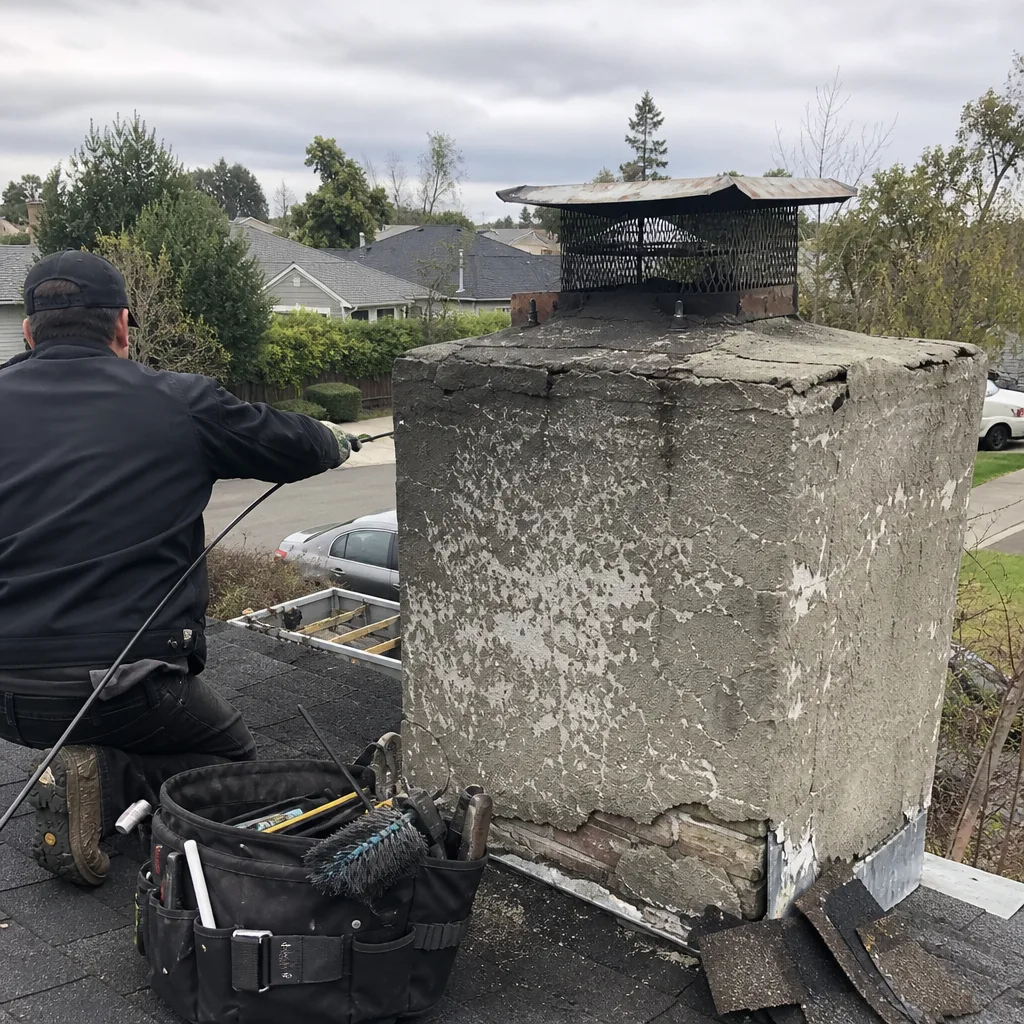
- Water intrusion points: Damaged flashing, a cracked crown, or a rusted chase top all let moisture into the chimney structure. Moisture accelerates liner deterioration and masonry damage. You won’t diagnose these from inside the firebox.
The professional toolkit for this work includes inspection cameras, draft gauges, moisture meters, and the experience to interpret what they show. The professional-grade materials we stock and install, lines like DuraFlex and HeatShield, exist because the camera keeps finding problems that require real fixes, not just cleaning.
This is the core of our position on the DIY debate: the brush and the soot are a distraction from the actual question, which is whether your chimney is safe to use. Only a diagnostic evaluation answers that.
Why Alameda’s Housing Stock Changes the Calculation
Alameda is not a new-construction city. The housing stock here skews old, and that skew has direct chimney implications. Homes built before 1970 dominate significant portions of the island, from the Victorians near Central Avenue to the mid-century ranches in the East End and Bay Farm Island’s earlier phases. Pre-1970 construction means terracotta tile liners as the original standard. Terracotta liners were the right choice for their era, but they have a service life measured in decades, not centuries. And those decades have passed.
The specific Alameda conditions that shift this debate firmly toward professional service:
- Original terracotta liners at or beyond service life: A 1950s Alameda home with its original clay tile liner has a flue that’s been expanding and contracting with heat for 70-plus years. Thermal stress cracks are not a possibility; they’re a probability. The only question is whether the cracks have progressed to the point of requiring repair or relining.
- Offset flues in older construction: Older Alameda homes frequently have chimneys that were routed around framing, second stories, or roof angles. These offsets create multiple junction points where liners meet. Each junction is a diagnostic question mark. Each question mark is invisible from the firebox.
- Bay-adjacent moisture exposure: The marine air that makes Alameda pleasant has a cost: it’s wet. Salt-laden fog and persistent moisture accelerate masonry deterioration, rust chimney caps and dampers, and contribute to liner degradation. A chimney in Alameda absorbs more ambient moisture than the same chimney in Walnut Creek. Moisture plus creosote equals accelerated liner corrosion.
- Remodeled homes with unverified chimneys: Alameda has a long history of homes being remodeled, added onto, and repurposed. When a chimney was partially decommissioned or a fireplace converted from wood to gas, the previous work isn’t always documented. We’ve seen flues that were sealed at the top but still connected at the firebox, creating a dead-end chamber that traps moisture and debris.
If you live in a newer Alameda construction, say a Bay Farm Island townhome built after 1990, your chimney likely has a stainless steel liner with a simpler configuration. The DIY case is stronger there, though still limited by the diagnostic gap. But for the majority of Alameda homeowners in pre-1970 housing, DIY cleaning is the equivalent of changing your oil while ignoring a check-engine light. The oil needed changing. The engine still needs someone to look at it.
The Honest Cost Comparison: DIY vs Professional
The DIY pitch usually starts with the professional service fee and stops there. That’s not a comparison; that’s a setup. A fair comparison has to account for everything the DIY route actually costs.
Here’s a line-item breakdown for a first-time DIY chimney cleaning in Alameda:
- Chimney brush kit (brush, rods, connectors): $45 to $90 for a basic kit sized to your flue. If your flue is an unusual dimension, add $20 to $40 for the correct brush.
- Shop vacuum with HEPA filter: If you don’t already own one, $120 to $250. A standard vac will blow fine soot into your living room. The HEPA filter is non-negotiable for indoor air quality.
- Drop cloths, plastic sheeting, tape: $25 to $40.
- Safety gear (goggles, N95 or P100 respirator, gloves): $35 to $60.
- Ladder and roof access equipment: Assuming you own a ladder, zero. If you need to buy one, $150 to $300 for something stable enough for roof access.
- Your time: First-time DIY chimney cleaning, including setup and cleanup, runs 3 to 5 hours. At even a modest valuation of your time, that’s $75 to $150.
- Disposal: Soot and creosote need to be bagged and disposed of properly. Minor cost, but it’s a step people forget.
Total first-time DIY investment: roughly $175 to $350, with the real cost landing closer to $350 to $500 if you’re buying a ladder and a proper vacuum. That’s before accounting for the fact that you’ve cleaned the chimney but not evaluated it.
A professional chimney cleaning in Alameda typically runs $180 to $350 for a standard single-flue, single-story chimney, with add-ons for multi-flue homes, steep roof pitches, or significant creosote accumulation. See our Chimney Cleaning Cost Breakdown: The Alameda Homeowner’s Reference for 2026 for full pricing details. That price includes the cleaning, the inspection, and the diagnostic report.
So the honest comparison is this: DIY saves you somewhere between negative $50 and positive $170 on your first cleaning, in exchange for 3 to 5 hours of work, roof exposure, and zero diagnostic information. On subsequent cleanings, once you own the equipment, the DIY math improves. But it’s never dramatically cheaper than a professional sweep, and it never includes the evaluation that actually matters for safety.
Insurance and Liability: What California Homeowners Need to Know
Here’s a section most DIY guides skip entirely, and it’s the one that matters most if something goes wrong.
If your chimney causes a house fire in California, your homeowner’s insurance provider will investigate. That investigation will ask one question early: when was the chimney last professionally cleaned and inspected? If your answer is that you cleaned it yourself, here’s what changes:
- No documentation trail: A professional sweep generates a dated service record. That record is your evidence of reasonable maintenance. A DIY cleaning generates nothing. Your word that you cleaned the chimney in October carries no evidentiary weight against an insurer’s claim that you failed to maintain the appliance.
- No code-compliance verification: Professional sweeps in California work against the state’s building code requirements and NFPA 211 standards. A professional report documents that your chimney met these standards at the time of service. A DIY cleaning has no such verification. If the fire investigator finds a condition that should have been caught, the absence of professional documentation becomes the insurer’s case.
- Liability for overlooked conditions: If you clean your chimney yourself and later sell the home, you’re representing that the chimney was maintained. If the buyer’s inspector finds a problem that reasonable maintenance should have caught, that’s a disclosure issue. Professional records are your protection against “you should have known” liability.
The California-specific nuance: insurers in this state have been tightening underwriting on homes with wood-burning fireplaces. Some carriers now require proof of professional inspection within the past 12 to 24 months before they’ll renew a policy on a home with an active fireplace. If your fireplace is your primary heat source, that documentation becomes even more important. A DIY cleaning doesn’t satisfy these documentation requirements.
None of this means a homeowner can’t legally clean their own chimney in California. You can. But the insurance landscape has shifted so that professional documentation is worth more than it used to be, and that’s a cost the DIY framing never accounts for.
The Middle Path: What to Maintain Yourself, What to Hand Off
This doesn’t have to be an either-or decision. The smartest Alameda homeowners we work with have worked out a division of responsibility that gives them the savings of DIY where it’s safe and the diagnostic value of professional service where it’s necessary. If you’re deciding whether to hire help, our How to Hire a Chimney Cleaning Contractor in Alameda: A Step-by-Step Guide can help.
Here’s how to structure that division responsibly:
- Do maintain the firebox between professional visits. Remove ash after each use (leave about an inch for insulation during burning season, clear it fully at season’s end). Check the firebrick for visible cracks when the firebox is cold. Keep the damper clean and operable.
- Do clear the cap and crown area if you have safe roof access. Low-pitch single-story roof, proper ladder, someone spotting you: clearing leaves and visible debris from around the cap is reasonable homeowner maintenance. Steep pitch, second story, or any hesitation about roof work: don’t. The hospital bill costs more than the service call.
- Do run a visual check of the exterior chimney structure from the ground. Look for spalling brick, cracked mortar joints, rusted flashing, or a cracked crown. These are surface signals of deeper problems. Flag them for a professional.
- Don’t attempt to clean the flue liner yourself. This is where the risk concentrates. The flue is where cracks hide, where creosote builds to dangerous levels, where animal nests block passage. Without a camera, you’re cleaning blind. Cleaning blind in a 70-year-old Alameda chimney is how chimney fires happen.
- Don’t attempt any repair work, even minor-looking repairs. A cracked firebrick that looks like a simple swap often signals liner damage behind it. A “loose” damper might be a rusted mounting plate on the verge of failure. Repairs are where the diagnostic information actually translates into action. That’s professional territory.
- Schedule a professional sweep and inspection every 12 to 24 months, depending on usage. If you burn more than two cords per year, annual is right. If you burn occasionally, every two years is defensible. The point is regular professional eyes on the system, not just a brush through it.
This middle path gives you meaningful savings where DIY is actually safe and gives you the information you need to make sound decisions about your chimney. It also means that when you call a professional, you have specific observations to share. That makes the visit more productive.
When we do a cleaning in Alameda, we’re evaluating liner condition, checking for the specific failure patterns common to this housing stock, and documenting everything in a way that serves your insurance file. That’s the difference between a brush through the flue and an actual safety evaluation.
Common Mistakes to Avoid
- Using a wire brush on a terracotta liner. Wire brushes are for stainless steel liners, period. A wire brush on an aging terracotta liner scratches the surface, creating texture that catches creosote faster. If your Alameda home has its original clay liner, a poly or nylon brush is the right tool for DIY, and know that any brush is doing nothing for glazed creosote.
- Assuming a gas fireplace doesn’t need chimney attention. Gas fireplaces produce less visible soot, but they still vent moisture and combustion byproducts. Gas flues get inspected less often because they look clean, which means problems go undetected longer. We’ve seen gas flues where water intrusion rusted the damper into place while the homeowner assumed everything was fine because there was no soot.
- Cleaning from the roof without a second person on the ground. This is the mistake that turns a money-saving afternoon into a 911 call. No roof work without a spotter, no exceptions. If you’re not comfortable on a roof, the DIY savings vanish in the face of the actual risk.
- Neglecting the dryer vent while obsessing over the chimney. The chimney gets the attention because it’s visible, but dryer vents cause more residential fires than fireplaces do. Your dryer vent is a hidden fire risk. If you’re doing a homeowner safety audit, the dryer vent belongs in the same conversation as the chimney.
- Using creosote-removing logs as a substitute for cleaning. These products can convert some Stage 1 and 2 creosote into a more brittle form, but they don’t remove anything. The loosened creosote still sits in the flue until someone brushes it out. We’ve seen homeowners use these logs for three seasons straight and assume the chimney was “self-cleaning.” It wasn’t.
- Ignoring the cap because it’s out of sight. A missing or damaged cap is how animals enter, how water enters, and how debris blocks the flue. From the ground, the cap looks fine. On the roof, it’s a different story. This is the single most common surprise finding in our Alameda inspections: the cap that failed years ago and never got noticed.
- Burning unseasoned wood and blaming the chimney. Wet wood produces cooler, smokier fires, which deposit creosote faster. No cleaning schedule can keep up with unseasoned wood. If you’re burning wood that hasn’t dried for at least six months, you’re manufacturing creosote faster than any sweep can remove it.
When to Call a Professional
Some situations are not judgment calls. If your chimney shows any of these signs, skip the DIY debate entirely and get a professional evaluation: visible smoke entering the room during fires, a strong campfire-like odor when the fireplace isn’t in use, water stains on the ceiling or walls near the chimney, crumbling brick or mortar on the exterior chimney, sounds of animals in the flue, or a fire that’s ever burned hot enough to make the chimney “roar.” These are active problem signals, not maintenance items. Ambassador Chimney Sweep offers free estimates in Alameda, call (877) 752-4931 and we’ll assess what needs to happen next.
Frequently Asked Questions
A standard professional chimney cleaning in Alameda typically runs $180 to $350 for a single-flue, single-story home, with higher pricing for multi-flue chimneys, steep roof access, or heavy creosote accumulation requiring additional treatment. This includes the sweep, the inspection, and the written report that serves as your insurance documentation. For an exact quote on your specific chimney, call (877) 752-4931, estimates are free.
If you burn wood more than occasionally (roughly two cords or more per season), an annual professional sweep and inspection is right. If you use the fireplace sparingly or have a gas insert, every two years is generally sufficient. Alameda’s marine air adds moisture-related deterioration that makes regular professional eyes more valuable here than in drier inland climates.
You can remove loose soot from a straight flue with a proper brush and rods, but you cannot evaluate liner condition, catch offset junction problems, or identify hidden blockages without a camera. In a pre-1970 Alameda home with an original terracotta liner, skipping the evaluation part means the most important aspect of chimney maintenance never happens. The safe structure is to do surface-level maintenance yourself but keep professional sweep and inspection on a regular schedule.
Stage 1 creosote is flaky and soot-like, Stage 2 is a tar-like granular deposit, and Stage 3 is hard, shiny, and glazed. Stage 3 is the most dangerous because it’s the most flammable and essentially impossible to remove with a brush. Only chemical treatment or rotary mechanical cleaning handles glazed creosote. If your chimney has had multiple seasons of use without professional cleaning, assume the creosote has progressed beyond what a brush can manage and have it evaluated.
Gas flues need inspection, but the risk profile is different. Gas produces less creosote but more moisture, which corrodes liners and dampers from the inside. Many gas flue problems go undetected for years because the absence of soot creates a false sense of security. An annual visual check and a professional inspection every two to three years is a reasonable schedule for gas-only chimneys.
Yes. The lint trap catches only a fraction of what your dryer produces. The rest moves through the vent duct and accumulates over time, especially at elbows and the vent termination. A restricted dryer vent forces the dryer to work harder, run hotter, and dramatically increases fire risk. This is a leading cause of residential structure fires, and it’s a service most chimney-only companies don’t even offer. It belongs in your regular home safety maintenance.
The Bottom Line
DIY chimney cleaning in Alameda can remove soot from a straight flue. It cannot tell you whether the chimney is safe to use. In a city where the housing stock skews pre-1970, with terracotta liners at the end of their service life and marine moisture accelerating deterioration, the diagnostic gap isn’t a minor inconvenience. It’s the entire ballgame. Maintain the firebox yourself. Keep the cap area clear if you have safe roof access. But put professional eyes on the flue at least every two years, and more often if you burn regularly. The brush costs $40. Knowing what’s behind it is the part that keeps your house from burning down. Written by the team at Ambassador Chimney Sweep, serving Alameda since 2014. For scheduling, our Chimney Sweep in Alameda page covers our cleaning service details. If you need repairs, our Chimney Repair in Alameda page explains what we handle. And if your dryer vent hasn’t been cleaned in years, our Dryer Vent Cleaning in Alameda service is the place to start. Call (877) 752-4931 for a free estimate.
See the difference
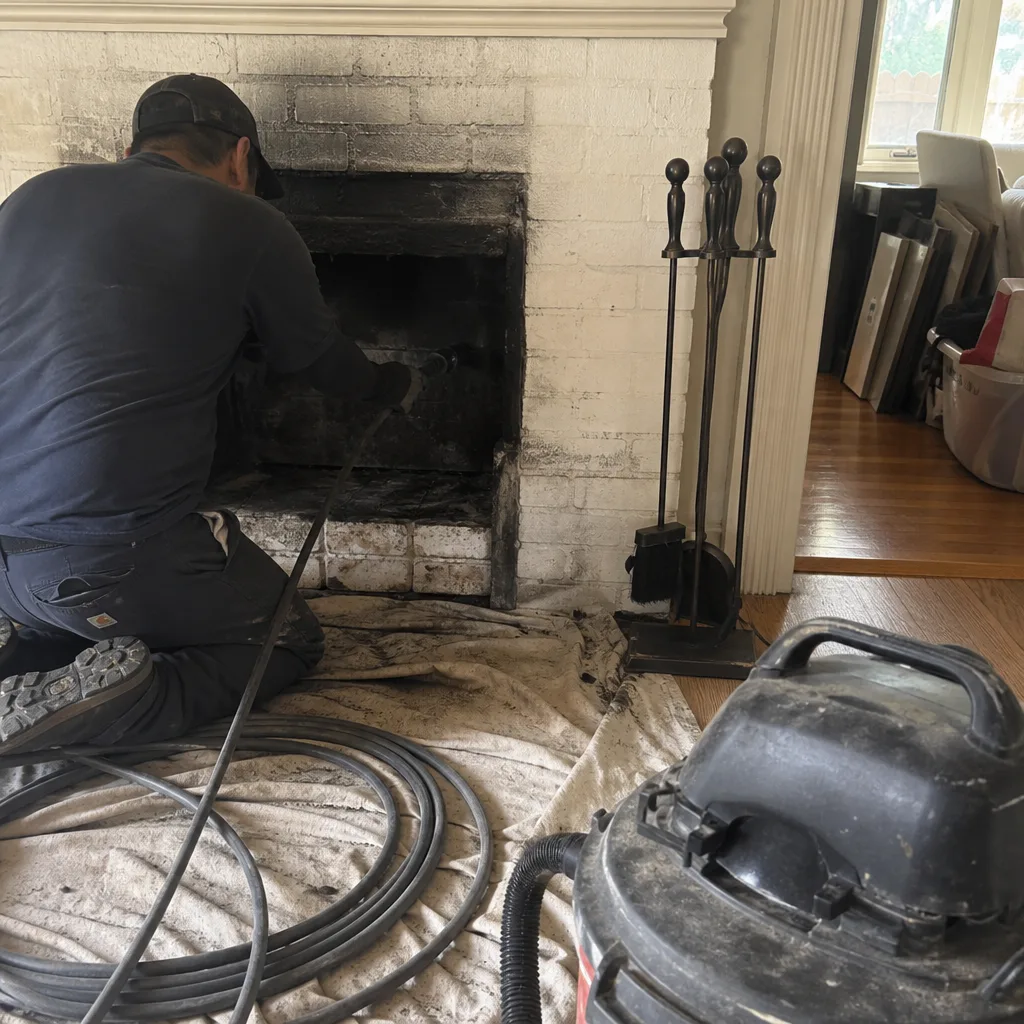 Before
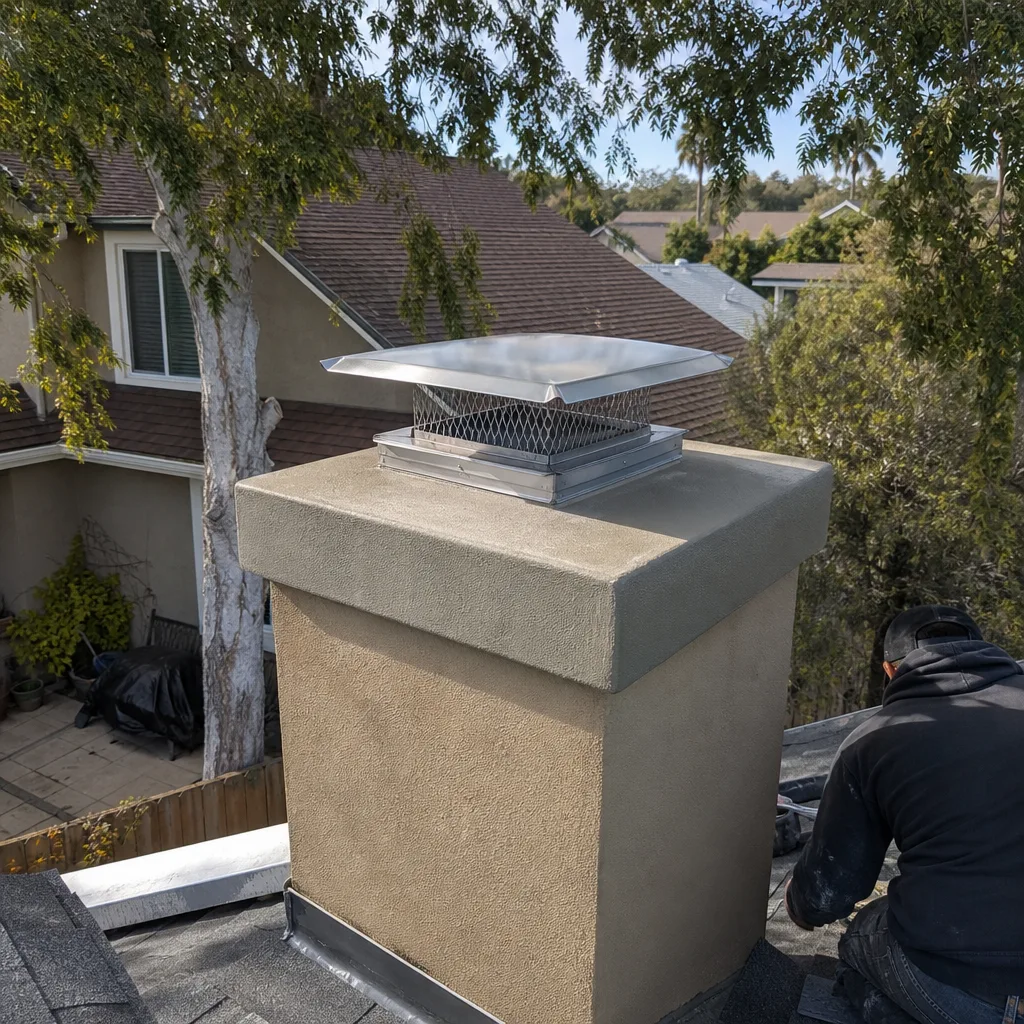 After
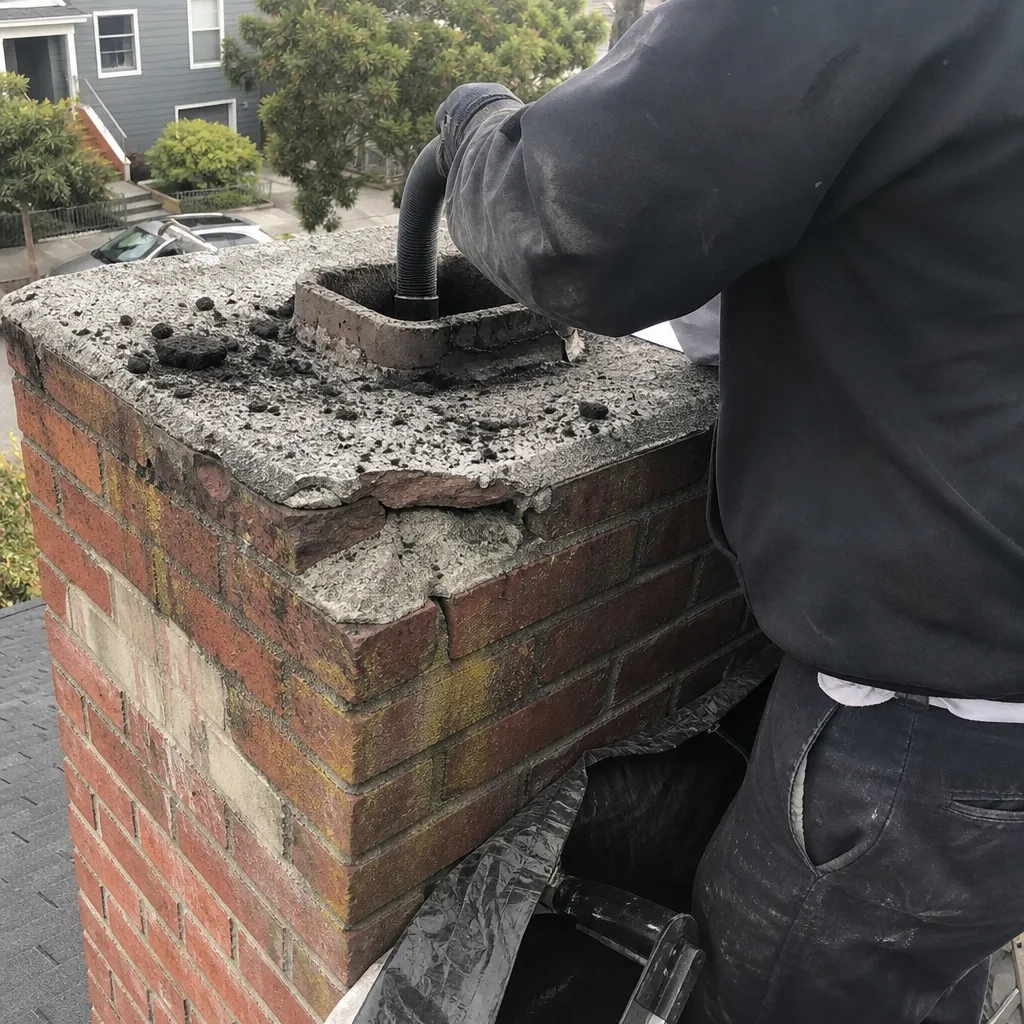 Before
 After
 Before
 After