
Last updated November 2, 2026
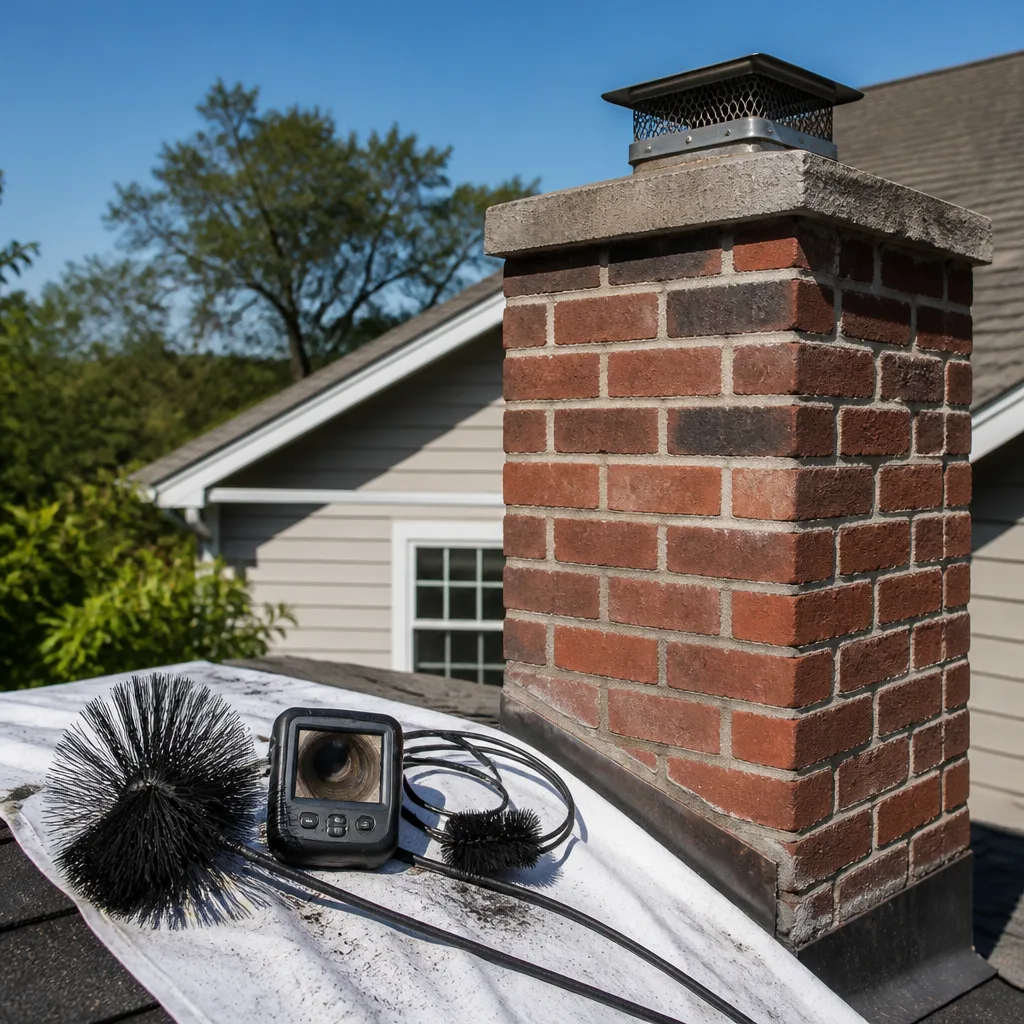 Sweep & inspection
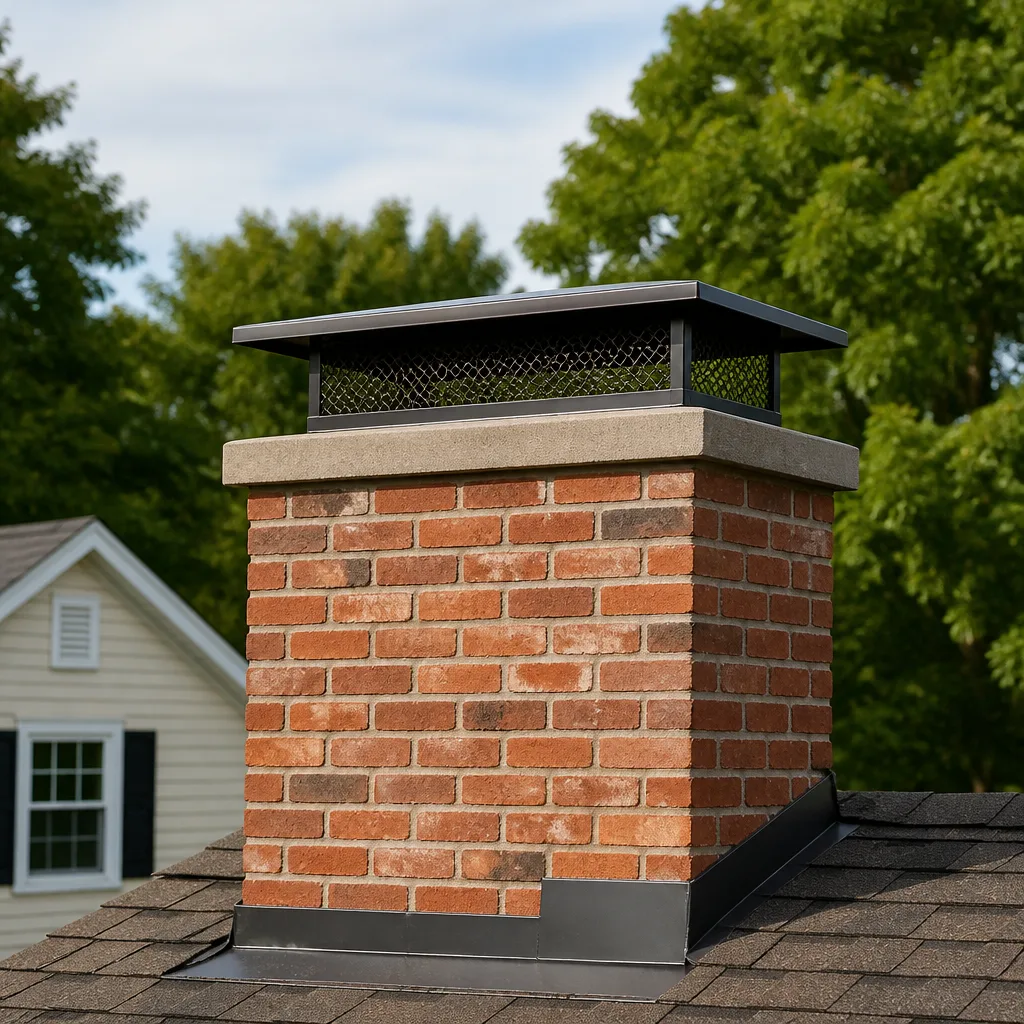 Caps & crowns
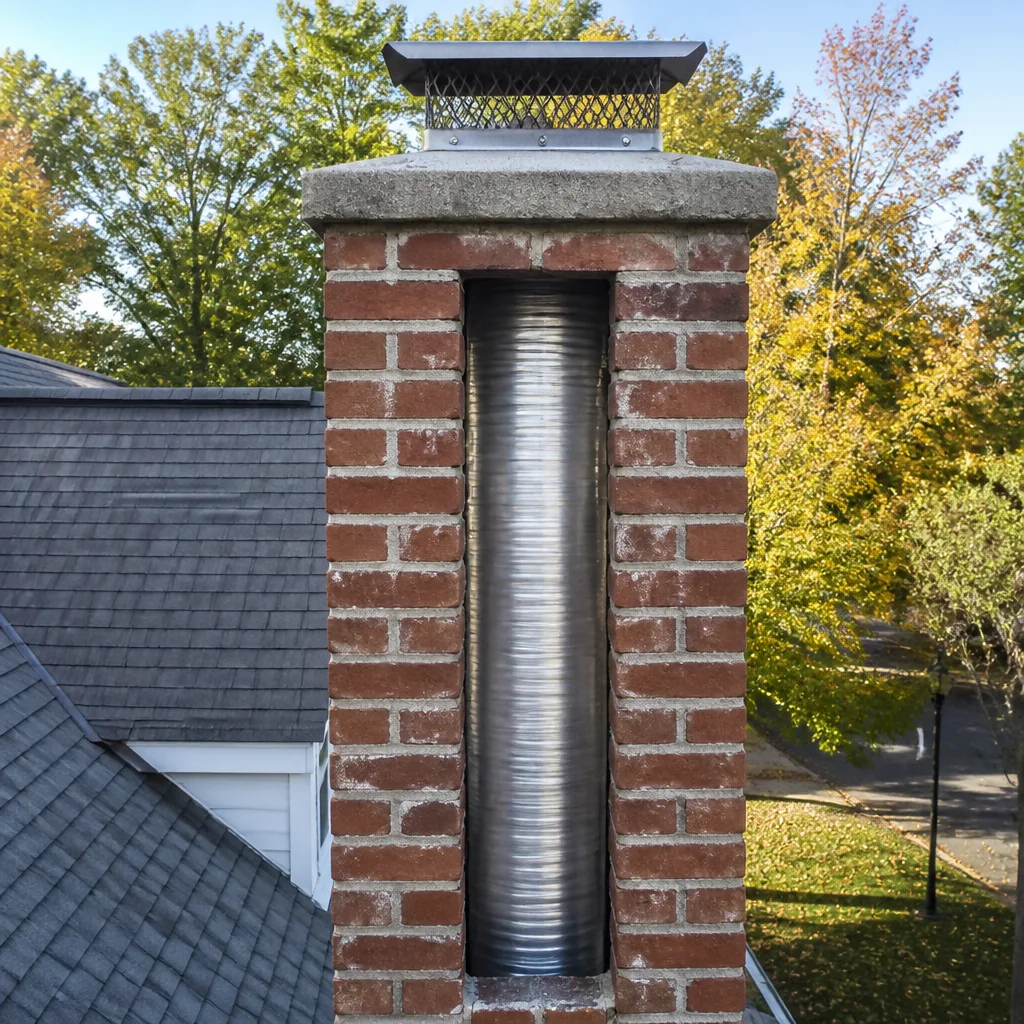 Flue relining
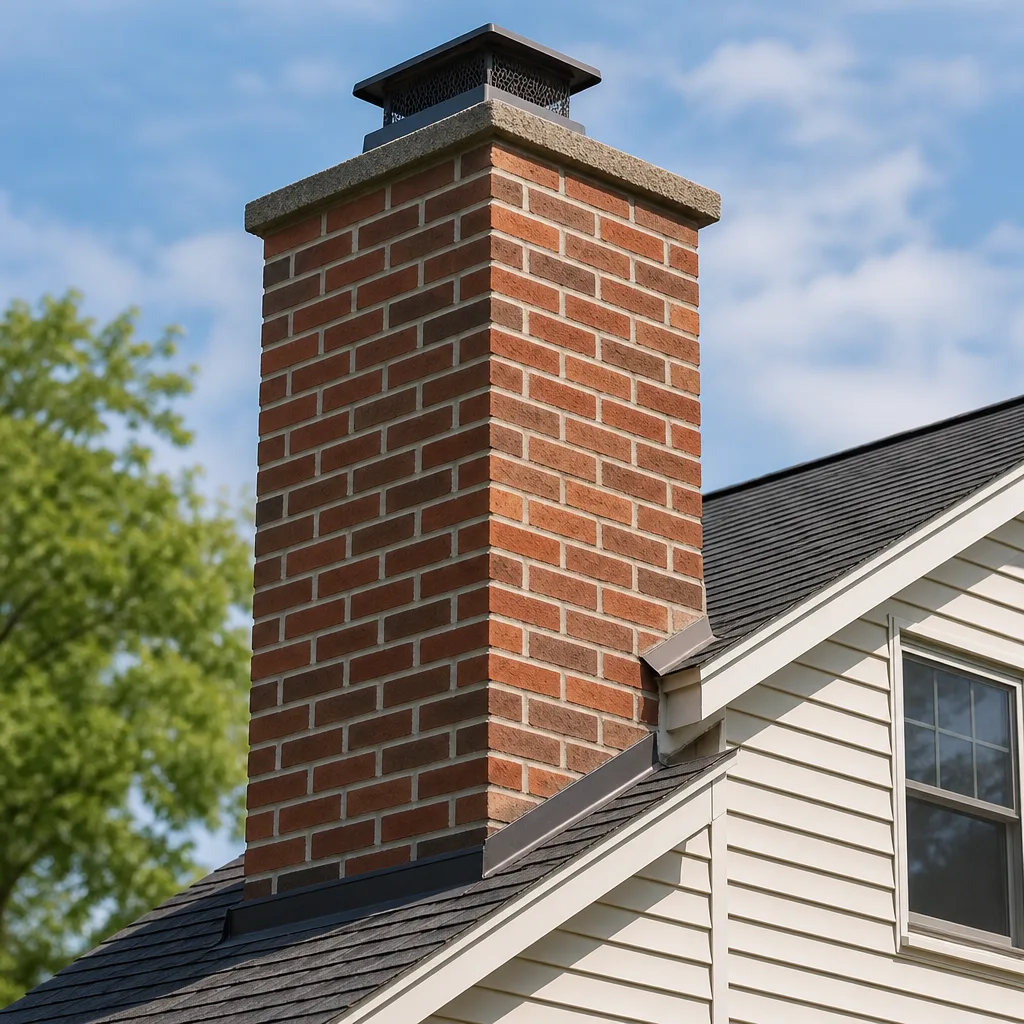 Masonry repair
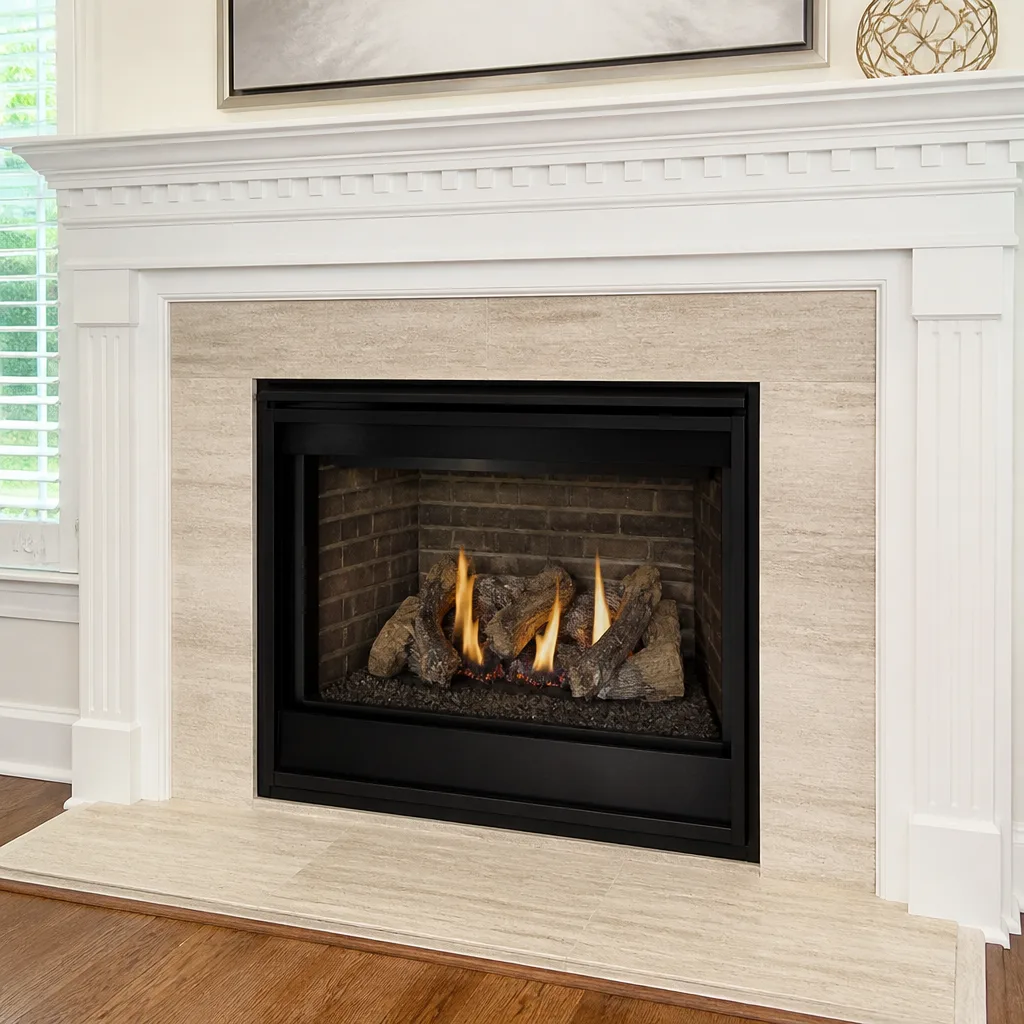 Gas fireplace service
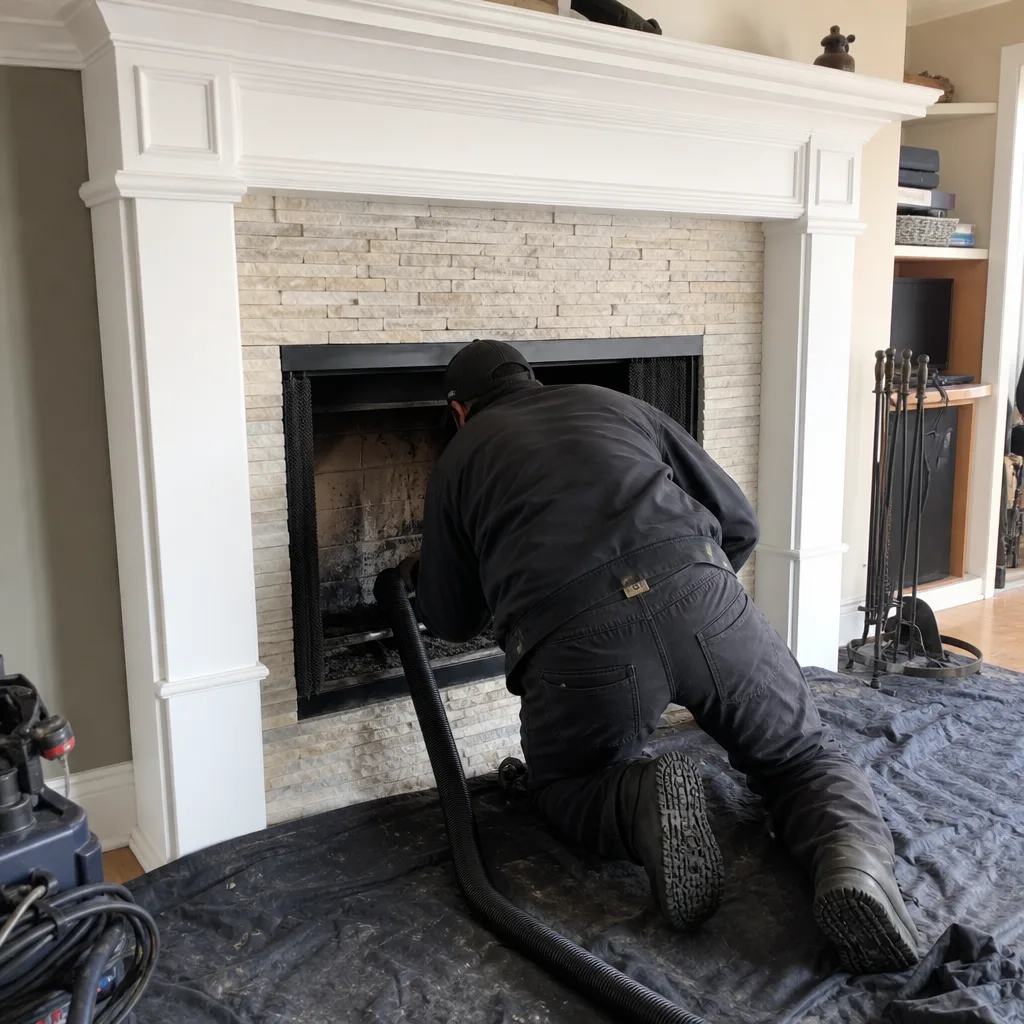
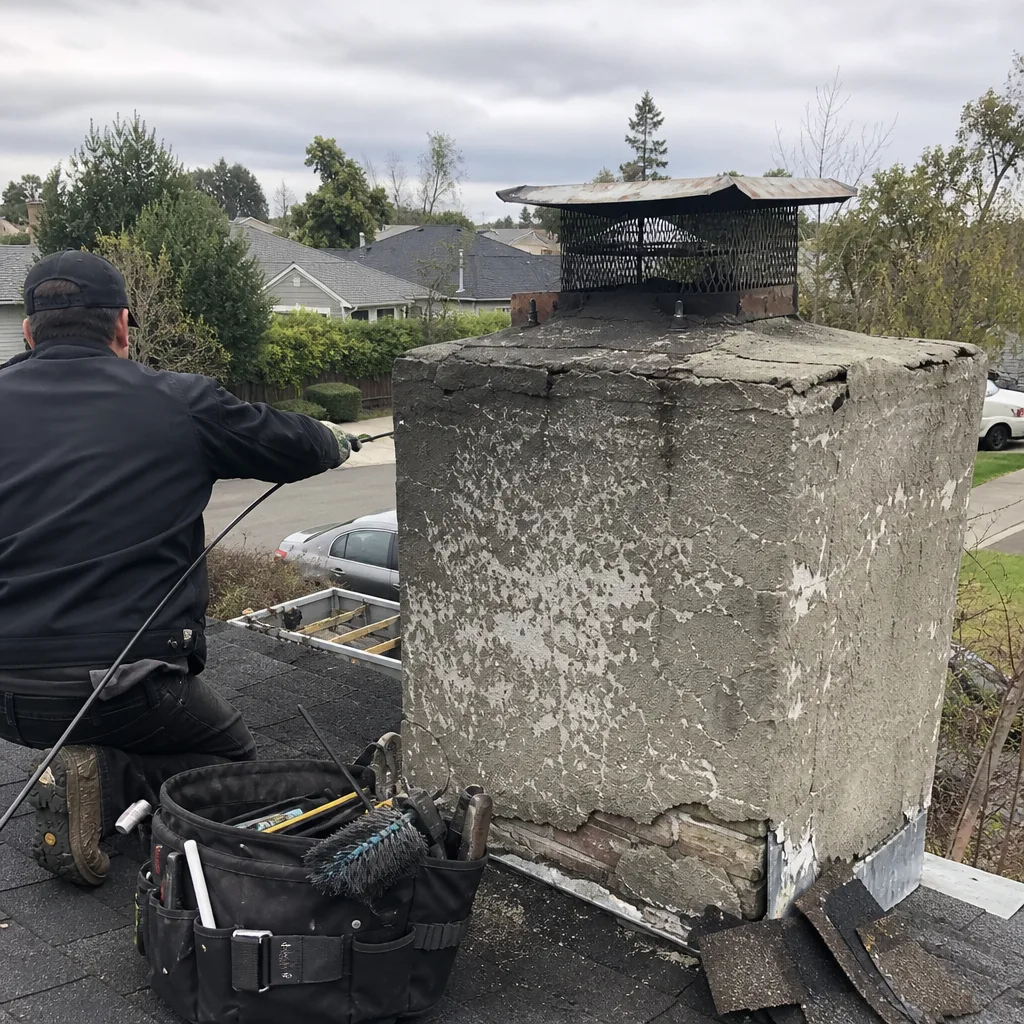
Level 1 sweep and inspection to the NFPA 211 annual standard - flue, crown, cap, and flashing checked and photographed
Chimney sweep logs do not sweep chimneys. They loosen some creosote - which then falls where a brush and vacuum still have to collect it.
Chimney Cleaning Emergency Preparedness Guide for Alameda Homes
Carbon monoxide from a chimney doesn’t smell like smoke. It has no smell at all, no taste, no visible color. That’s why a blocked flue on a gas appliance is the chimney emergency Alameda homeowners are least prepared for. This guide walks through the three failure scenarios most likely to hit homes in Alameda – seismic liner damage, gas appliance backdraft, and sudden obstruction – and gives you the recognition and response protocol for each, building on our Chimney Cleaning Warning Signs: An Alameda Homeowner’s Reference Guide. You’ll learn what to do in the 24 hours after an earthquake, how to shut down a compromised system safely, where to place CO detectors when you have a gas fireplace, and how to pre-qualify a contractor before you’re in crisis mode.
Styles & brands we work with
- Sweep & inspection
- Caps & crowns
- Flue relining
- Masonry repair
- Gas fireplace service
Quick Answer
Chimney emergency preparedness in Alameda means having working carbon monoxide detectors on every floor, knowing how to shut down your fireplace or stove when something feels wrong, and having a pre-vetted chimney professional you can call. The three emergencies that actually happen here are earthquake-damaged liners, backdrafting gas appliances, and sudden flue obstructions. If you suspect any of these, stop using the appliance, open a window, and call a qualified sweep.
Table of Contents
- The Three Chimney Failure Scenarios Alameda Homeowners Actually Face
- What to Do in the 24 Hours After an Earthquake
- How to Shut Down a Chimney System Safely When You Suspect a Problem
- Carbon Monoxide Detector Placement: The Alameda-Specific Strategy
- How to Pre-Qualify an Emergency Chimney Contractor Before You Need One
- Signs of Sudden Flue Obstruction and What They Mean
- Common Mistakes to Avoid
- When to Call a Professional
- Frequently Asked Questions
- The Bottom Line
The Three Chimney Failure Scenarios Alameda Homeowners Actually Face
Let’s be clear about what “chimney emergency” means in Alameda. It’s rarely a dramatic house fire. It’s the cascade of smaller failures that create real danger in real time. After a decade of working on Bay Area chimneys, we’ve seen three scenarios repeat across every neighborhood from the Gold Coast to Bay Farm Island.
1. Seismic Liner Damage
Alameda sits on the Hayward Fault, and even minor earthquakes can crack clay tile flue liners. A Chimney Repair in Alameda call often starts with an earthquake. The problem with a cracked liner is what you can’t see: gaps between tiles create pathways for heat and carbon monoxide to reach combustible framing inside your walls. In older Alameda Victorians and 1920s bungalows, the framing is dry and aged – it catches fire faster than you’d believe. We stock DuraFlex stainless steel liners for exactly this reason. A post-quake inspection isn’t paranoia. It’s the same reason you check your foundation for cracks after a shaker.
2. Gas Appliance Backdraft
Gas fireplaces and inserts are common in Alameda because they’re practical for the Bay Area’s mild winters. But gas appliances exhaust differently than wood fires. When a flue is partially blocked – by a bird nest, a collapsed liner, or even wind-driven debris – the exhaust can reverse direction and spill into the living space. Carbon monoxide enters the room. Because CO is odorless, families often don’t realize anything is wrong until symptoms appear: headache, dizziness, nausea that clears up when they leave the house. If you have a gas insert and you’ve noticed the glass sooting up, or if the room feels stuffy when the fire is on, that’s backdraft. Treat it as an emergency.
3. Sudden Obstruction
Alameda’s mature tree canopy means leaves, twigs, and entire bird or squirrel nests can enter chimneys with uncapped or damaged crowns. A sudden obstruction isn’t always obvious. Sometimes the first sign is smoke rolling into the living room when you light a fire. Other times it’s a faint animal odor. Either way, a blocked flue on a wood-burning fireplace means combustion gases have nowhere to go except back into your home. If you’re seeing smoke where smoke shouldn’t be, stop using the fireplace and call a sweep.
What to Do in the 24 Hours After an Earthquake
Here’s the sequence we recommend for any Alameda home after a shaker strong enough to rattle windows or knock items off shelves. Even if your chimney looks fine from the street, the internal flue is what matters. Most liner damage is invisible from outside.
- Do not relight any fireplace, insert, or wood stove. This is the single most important rule. A cracked liner can hold heat against framing and start a slow-burning fire inside your walls hours after you’ve gone to bed.
- Check for visible damage from a safe distance. Look for fallen bricks on the roof or ground, cracks in the chimney crown, or a chimney that’s visibly leaning. Do not climb onto the roof. Use binoculars if you have them.
- Check the attic and top-floor ceilings for new stains or soot marks. These can indicate the flue shifted inside the chase.
- Test carbon monoxide detectors. Press the test button on every unit. If any detector fails, replace the battery first, then the unit if it still doesn’t respond.
- Call a chimney professional for an inspection before your first fire of the season. Even if there’s no visible damage. In Alameda, where the Hayward Fault runs through the East Bay, post-quake flue inspection is a standard precaution.
If you have a gas fireplace and you smell anything unusual – sulfur, exhaust, or a “hot” smell – evacuate the house and call the gas company from outside. Then call us or another qualified sweep before relighting.
How to Shut Down a Chimney System Safely When You Suspect a Problem
When you suspect a chimney problem – smoke backing up, a strange odor, soot inside the house – the order of operations matters. Doing this wrong can pull more carbon monoxide into the living space. Here’s the correct sequence.
- Open a window near the appliance. This equalizes pressure so you’re not actively drawing exhaust into the room while you work.
- Turn off the appliance. For a wood fire, close the damper if it’s safe to do so without reaching into heat. For a gas insert or fireplace, turn off the gas at the wall switch or valve. For a wood stove, close the air intake vents.
- Do not open doors or turn on exhaust fans. Kitchen and bathroom fans create negative pressure that pulls flue gases back into the living space. Wait until the appliance is fully off and the room has aired before using them.
- Leave the house if you smell gas or feel lightheaded. Do not try to “wait it out.” Carbon monoxide accumulates silently. Get everyone outside and call for help.
- Call a professional before using the appliance again. A sweep won’t just clean the flue – they’ll evaluate the entire venting path and tell you what went wrong.
This sequence prevents the most dangerous mistake homeowners make on discovering a problem: turning on a vent fan or range hood, which effectively vacuums exhaust into the house. We’d rather you open a window and wait ten minutes than “fix” the airflow the wrong way.
Carbon Monoxide Detector Placement: The Alameda-Specific Strategy
Most manufacturers’ guides give generic advice: put one on every level, near bedrooms. That’s a start. For homes with gas fireplaces or inserts, the strategy needs refinement. The goal is to detect CO at the source before it reaches sleeping areas.
Where to Place Detectors
- In the room with the gas fireplace or insert: Mount it on the wall about 5 feet from the appliance, at chest height or higher. Carbon monoxide disperses evenly in air, but placing it near the appliance catches backdraft early. Don’t mount it directly above the fireplace where heat and normal combustion byproducts will trigger false alarms.
- In the hallway outside every sleeping area: This is the non-negotiable minimum, as required by California law for homes with fuel-burning appliances.
- On every floor, including basements and finished attics: Alameda’s older homes often have converted attics and basements where people sleep or spend time. These spaces need their own detectors.
- Near the kitchen, but not in it: If you have a gas range, place one in the adjacent hallway or dining area. Too close to the stove and normal burner operation can trigger nuisance alarms.
What Most Guides Get Wrong
The standard advice to place one detector “near the furnace” misses the point for fireplace homes. Your fireplace or insert is the appliance you interact with directly, and it’s in your living space. It deserves its own dedicated detector placed where you can hear it from the couch. We also recommend interconnected detectors in larger Alameda homes – many of the city’s Victorian and craftsman-style houses have thick walls that muffle hallway alarms from the living room.
HeatShield is a brand we use for chimney liner restoration. It’s worth mentioning here because a restored liner is often all that stands between a working gas insert and a backdraft scenario. But even the best liner doesn’t replace a properly placed CO detector. The detector is your last line of defense, not your first.
How to Pre-Qualify an Emergency Chimney Contractor Before You Need One
The worst time to research a chimney professional is during an emergency. You’re stressed, it’s late, and the first company that answers the phone might not be the one you’d choose with a clear head. Here are the questions to ask now, in a non-emergency context, so you’re not googling at midnight with smoke in your living room. For Chimney Cleaning Permits, Codes & Inspections in CA: What You Need to Know, check our compliance guide before you hire.
Questions to Ask Before You Need Them
- “Do you perform repairs on-site, or do you refer out?” This is the single most important question. A sweep-only company will clean your flue and hand you a referral for liner damage, cap repair, or masonry work. A full-service company like Ambassador Chimney Sweep can diagnose and fix the problem in the same visit. In an emergency, that’s the difference between a solved problem and a week-long referral chain.
- “What liner materials do you stock and install?” A company that stocks DuraFlex or similar stainless steel liner systems is ready to do real repair work. A company that has to order every part will leave you without heat or a usable fireplace while you wait.
- “Do you carry equipment for liner restoration, or only full replacement?” If the answer is “full replacement only,” you could be quoted thousands for work that HeatShield or similar restoration methods could address for less. Most homeowners have no way of knowing, so they pay for the bigger job. Asking this question in advance tells the contractor you’re informed.
- “What’s your protocol for emergency calls?” Get specific. Do they have a process for same-week or next-day emergency visits? What should you do before they arrive? A professional will have clear answers. Evasive responses are a red flag.
- “Can you give me a written quote before any work begins?” In an emergency, you’re vulnerable to upselling. A company that commits to flat-price quotes before work starts protects you from surprise charges. This is especially important for Chimney Sweep in Alameda calls where the first visit often reveals additional work.
We recommend doing this pre-qualification once, keeping the name and number on your fridge or in your phone, and forgetting about it. When an emergency happens, you’re calling someone you’ve already vetted. That’s what emergency preparedness actually looks like.
Signs of Sudden Flue Obstruction and What They Mean
Sudden obstructions don’t announce themselves. They develop quietly – a bird builds a nest over a few days, a squirrel chews through a damper, a storm sends a branch into the flue. Here’s what to watch for.
- Smoke backing into the room when you light a fire: The most obvious sign. The flue is blocked enough that exhaust can’t rise. Stop immediately.
- A heavy, musty odor even when the fireplace is cold: Often means a dead animal or accumulated nest material is sitting in the flue. The smell will worsen until the obstruction is removed.
- Debris falling into the firebox when you open the damper: Small twigs, nesting material, or soot chunks falling from above indicate a partial blockage or structural issue.
- Drafting problems that worsen over a few weeks: A fire that started fine in October but struggles in November could mean a growing nest. Obsructions don’t always happen all at once.
- Fluttering or scratching sounds from the chimney: Living birds or animals inside the flue. This is an obstruction waiting to become a full blockage – and a fire hazard if the nesting material ignites.
If you notice any of these, stop using the fireplace. An uncapped chimney in Alameda is open real estate for wildlife. A proper cap from Famco or Copperfield prevents most obstructions before they begin. If you don’t have a cap, or if yours is damaged, have one installed before burning season.
Common Mistakes to Avoid
- Relighting a fireplace after an earthquake without an inspection. In Alameda, this is the mistake we see most. The chimney looks fine from the sidewalk, so the homeowner assumes it’s fine inside. Cracked liners hide behind brick. Post-shaker flue inspection is short money compared to the alternative.
- Turning on a bathroom fan or range hood when smoke is backing up. This creates negative pressure and actively draws more exhaust into the house. Open a window instead.
- Treating a gas fireplace like a wood-burning one. Gas appliances produce carbon monoxide on every use. A blocked or backdrafting gas flue is a poisoning risk, not just a smoke nuisance. CO detectors are non-negotiable.
- Waiting until November to schedule a sweep. Alameda’s mild summers mean fireplaces sit unused for months. That’s exactly when nests get built and dampers rust. Schedule the sweep in late summer or early fall, before the first cold night.
- Choosing a sweep-only company for a home with known damage. If you already know the liner is cracked or the cap is missing, hiring a company that can’t do repairs means paying for two visits from two companies. Choose a full-service provider from the start.
- Ignoring a CO detector that goes off. If an alarm sounds, never assume it’s a false alarm. Get everyone outside, call the fire department, and don’t go back in until a professional has confirmed the source. Even if it was a faulty detector, the downside of ignoring it is catastrophic.
- Replacing a chimney cap with a cheap hardware-store model. The cap is your first line of defense against obstructions. A flimsy cap fails in Alameda’s bay wind within a year or two. Professional-grade caps from brands like Olympia Chimney and Copperfield are built to hold up.
When to Call a Professional
Call a professional if you see smoke backing into your home, if your CO detector alarms and you’ve ruled out a battery issue, if you’ve had an earthquake strong enough to rattle windows and haven’t had a flue inspection, or if you notice a persistent odor from the chimney that won’t go away. If you’re not sure whether the problem is in the firebox, the flue, or the appliance itself, that uncertainty is exactly why you call someone with diagnostic experience. Ambassador Chimney Sweep performs full inspections, identifies the actual issue, and handles repairs on-site when possible – we don’t just clean and refer out. We offer flat-price quotes before work begins, free estimates, and the same professional brands contractors use: DuraFlex, HeatShield, Famco, Copperfield, and Olympia Chimney. For a free estimate in Alameda, call (877) 752-4931.
Frequently Asked Questions
If you burn wood, schedule a sweep once a year. If you have a gas fireplace or insert, an annual inspection is still recommended, and cleaning is needed less often, usually every couple of years. Alameda’s mild climate means fireplaces sit dormant for months, which gives birds and squirrels time to build nests and dampers time to rust. Annual servicing catches these issues before they become emergencies.
Get everyone outside immediately, including pets. Do not open windows on your way out – just leave. Call 911 or the fire department from outside the house. Do not re-enter until the fire department has confirmed the air is safe. After that, call a chimney professional to identify the source before using any fuel-burning appliance again. For a professional CO source inspection in Alameda’s gas-equipped homes, call (877) 752-4931.
A standard chimney sweep in Alameda typically costs between $180 and $300 depending on the size of the flue, the amount of buildup, and whether it’s a wood or gas system. Repairs, liner restoration, or cap replacement are additional. The cost of a sweep is a fraction of what a chimney fire or carbon monoxide incident costs. For an exact flat-price quote before any work begins, call (877) 752-4931 – estimates are free.
Not necessarily. Small cracks and spalling can sometimes be addressed with HeatShield chimney liner restoration, a method that resurfaces the interior of the flue rather than replacing the entire liner. We offer this in-house, which means a single visit can determine whether repair or replacement is the right call. The only way to know is a camera inspection, and we’ll show you the footage so you can see the condition yourself before deciding. Call (877) 752-4931 to schedule an inspection.
We recommend against it. Earthquake damage to chimney liners is often invisible from the outside. Even a small shaker can crack clay tiles or shift the flue, creating a fire hazard inside the walls. Schedule a flue inspection before relighting. The inspection takes less than an hour and the cost is minor compared to the risk of an unseen liner crack next to dry, aged framing. Alameda sits near the Hayward Fault, so this isn’t a hypothetical scenario.
Yes. Gas fireplaces and inserts produce carbon monoxide and other combustion byproducts that vent through the flue. If the flue is obstructed – by a bird nest, debris, or a collapsed liner – those gases back up into your home. An annual gas appliance inspection checks the venting path, the burner, and the CO safety systems. Our team handles gas insert inspections and repairs as part of our full chimney service. Call (877) 752-4931 to book.
The Bottom Line
Emergency preparedness in Alameda isn’t about waiting for disaster. It’s about recognizing the three failure scenarios that actually happen here – earthquake-damaged liners, backdrafting gas appliances, and sudden obstructions – and having a plan for each. Know how to shut down your system safely. Place CO detectors where they’ll actually catch backdraft. Pre-qualify a contractor before you’re desperate. And when the inspection reveals a problem, work with a company that can fix it on the spot, not one that hands you a referral slip. Get your chimney swept in Alameda, keep your dryer vent clear, and address chimney repairs before they become emergencies. That’s the entire strategy in three links.
Written by the team at Ambassador Chimney Sweep, serving Alameda since 2014.
See the difference
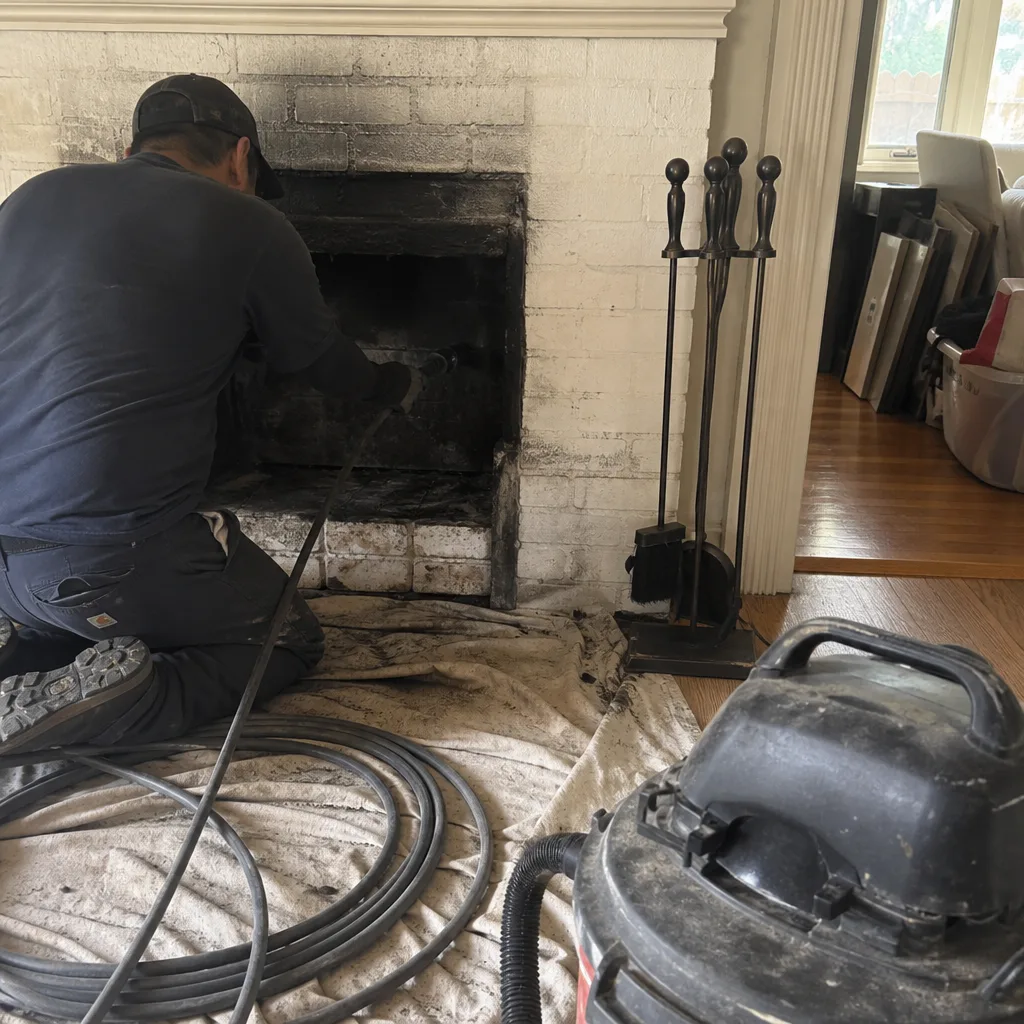 Before
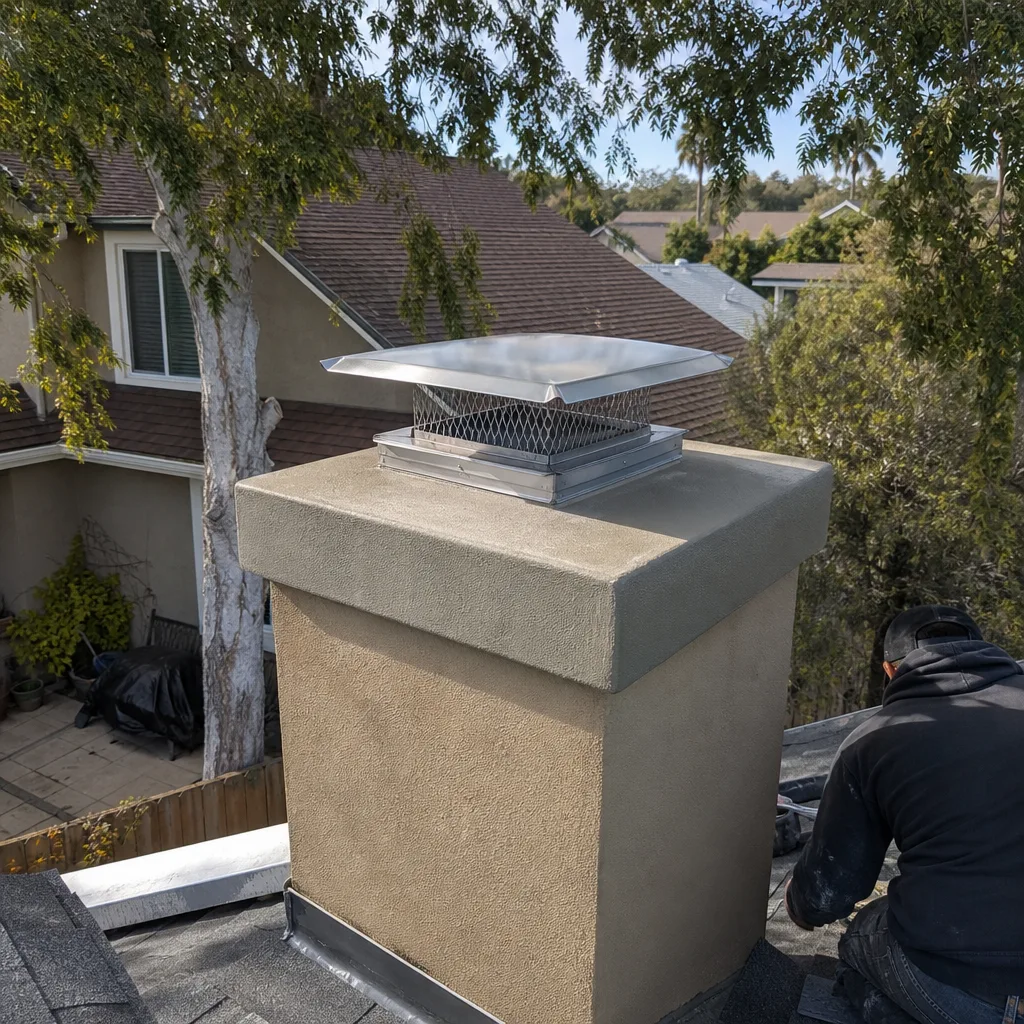 After
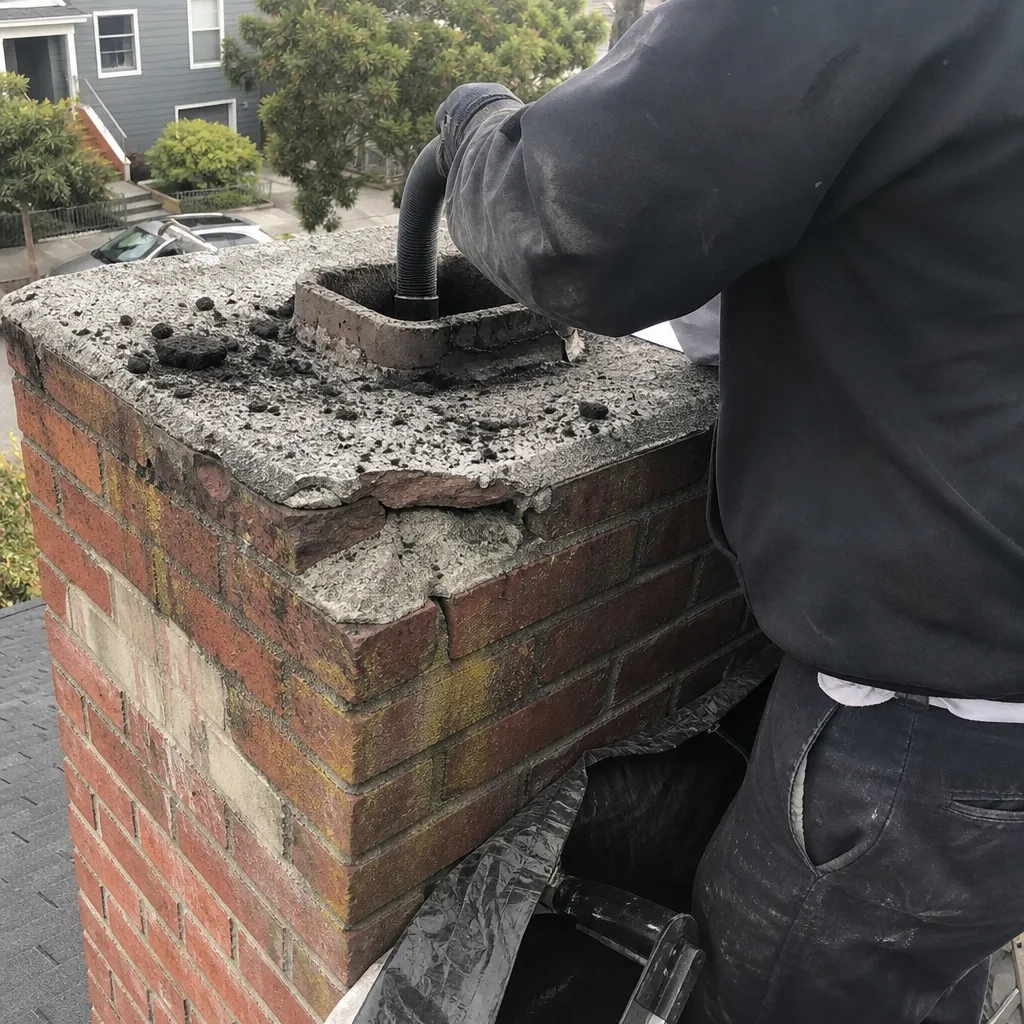 Before
 After
 Before
 After