
Last updated November 2, 2026
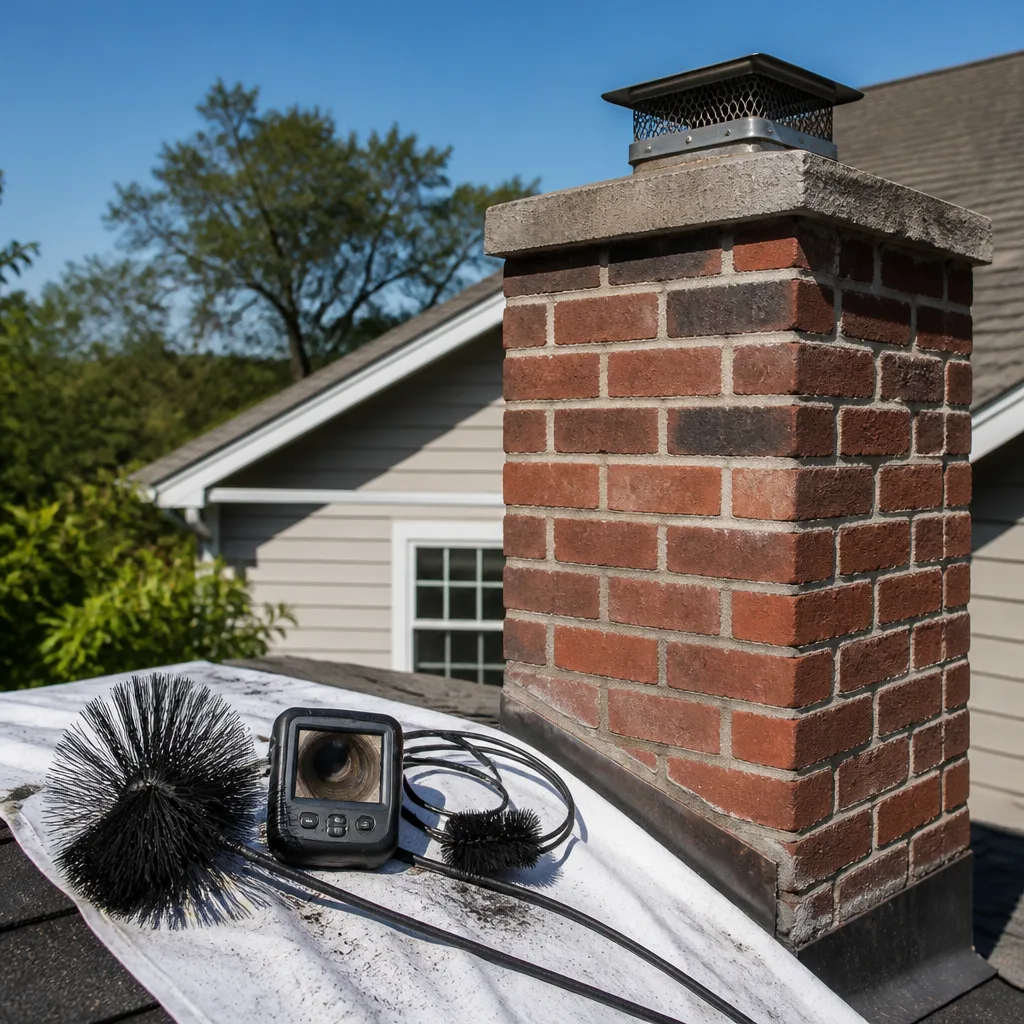 Sweep & inspection
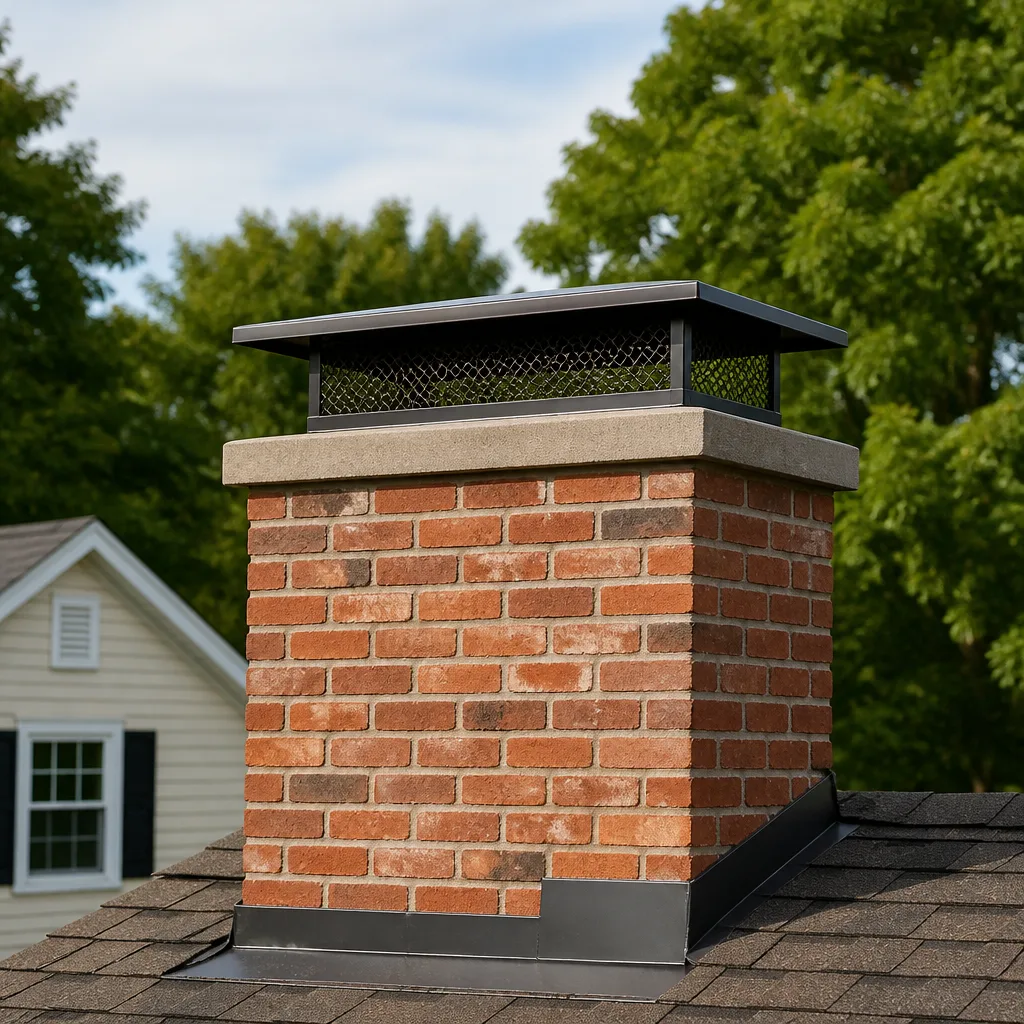 Caps & crowns
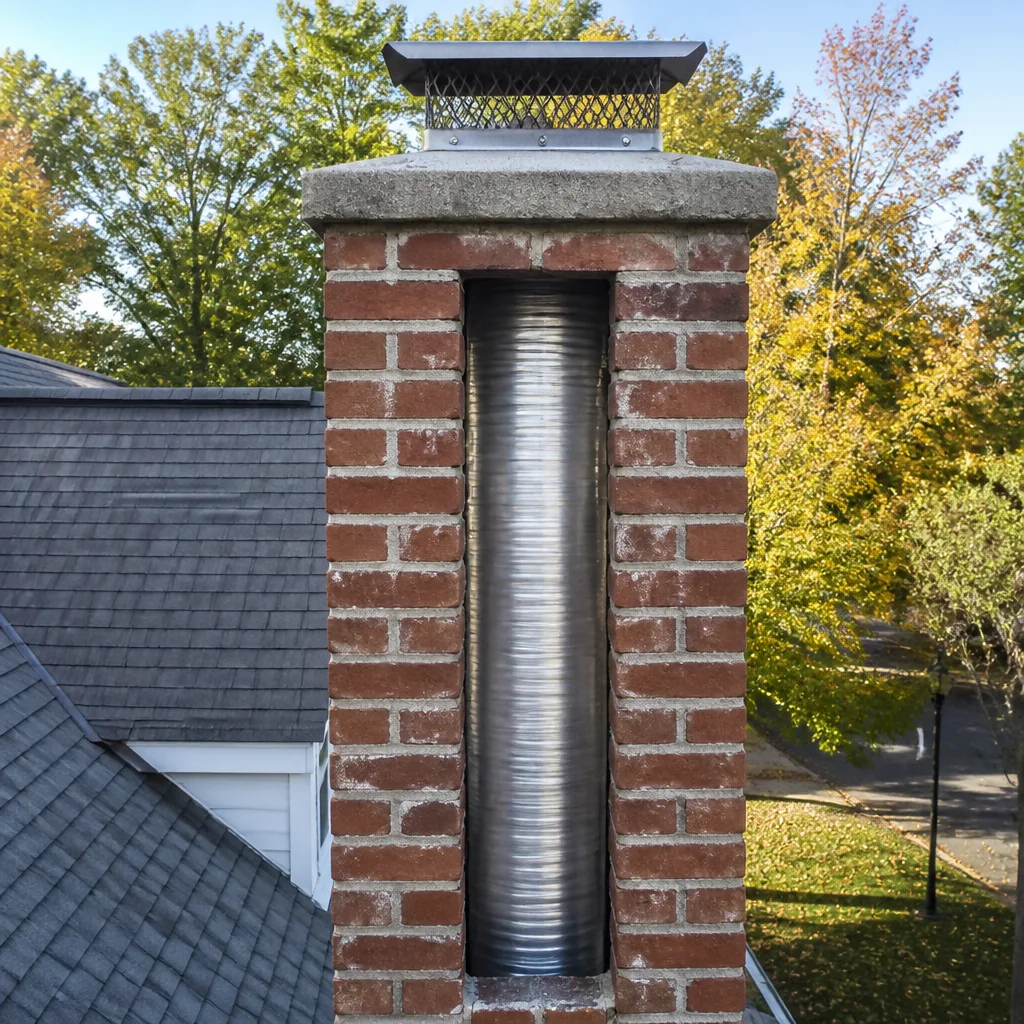 Flue relining
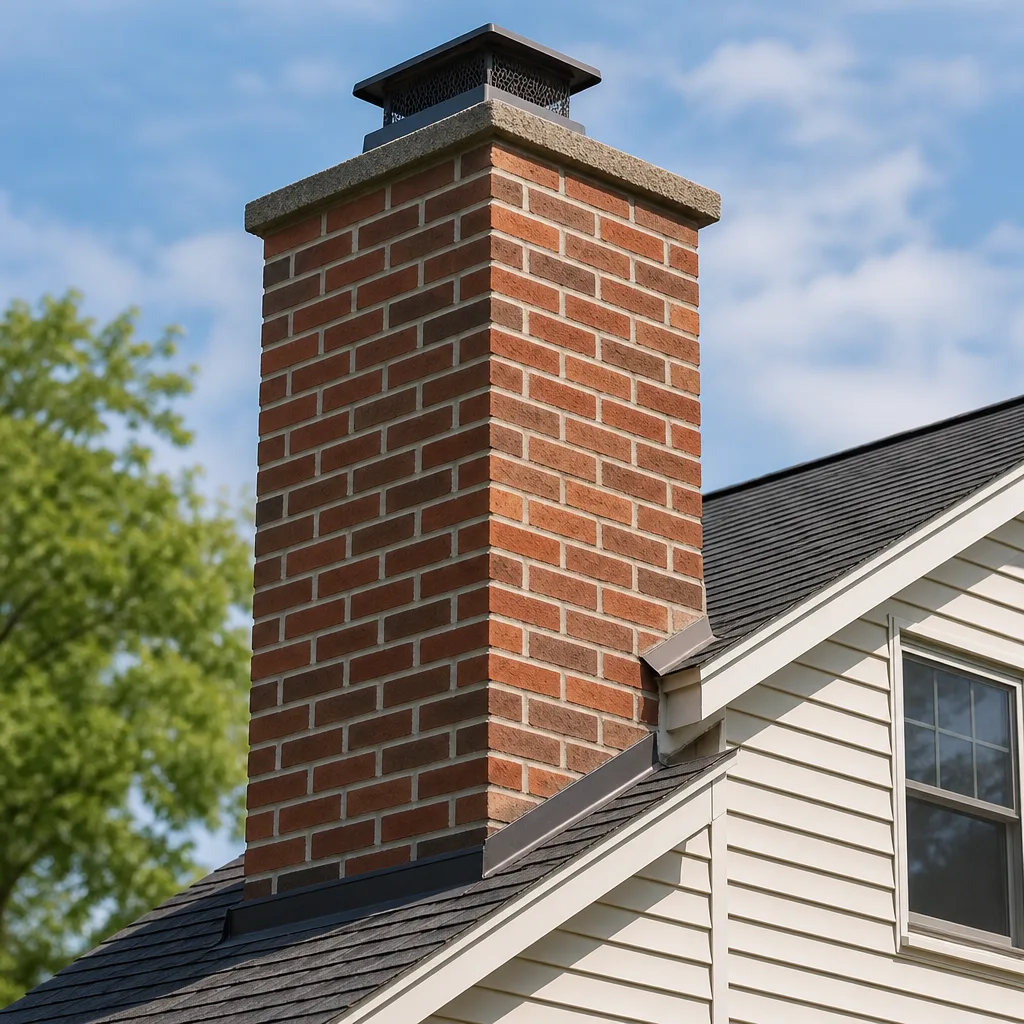 Masonry repair
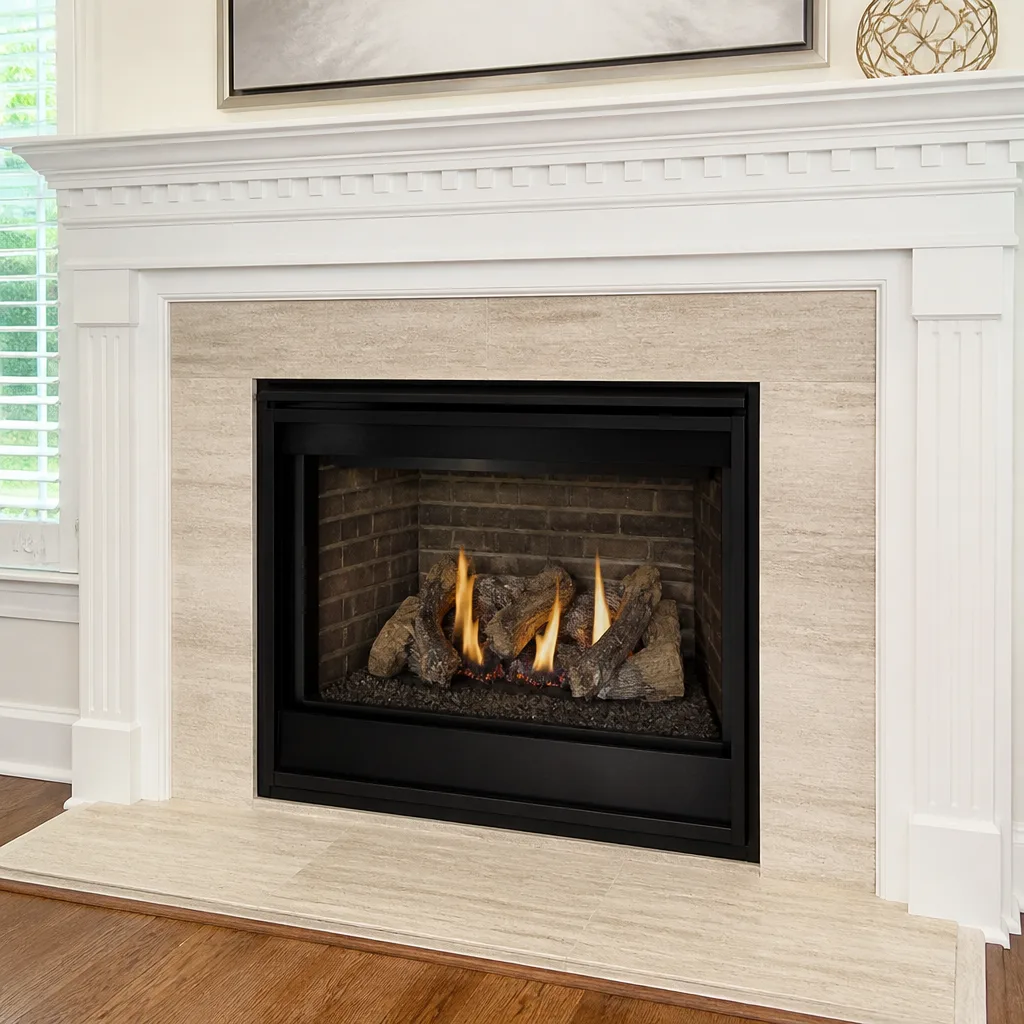 Gas fireplace service
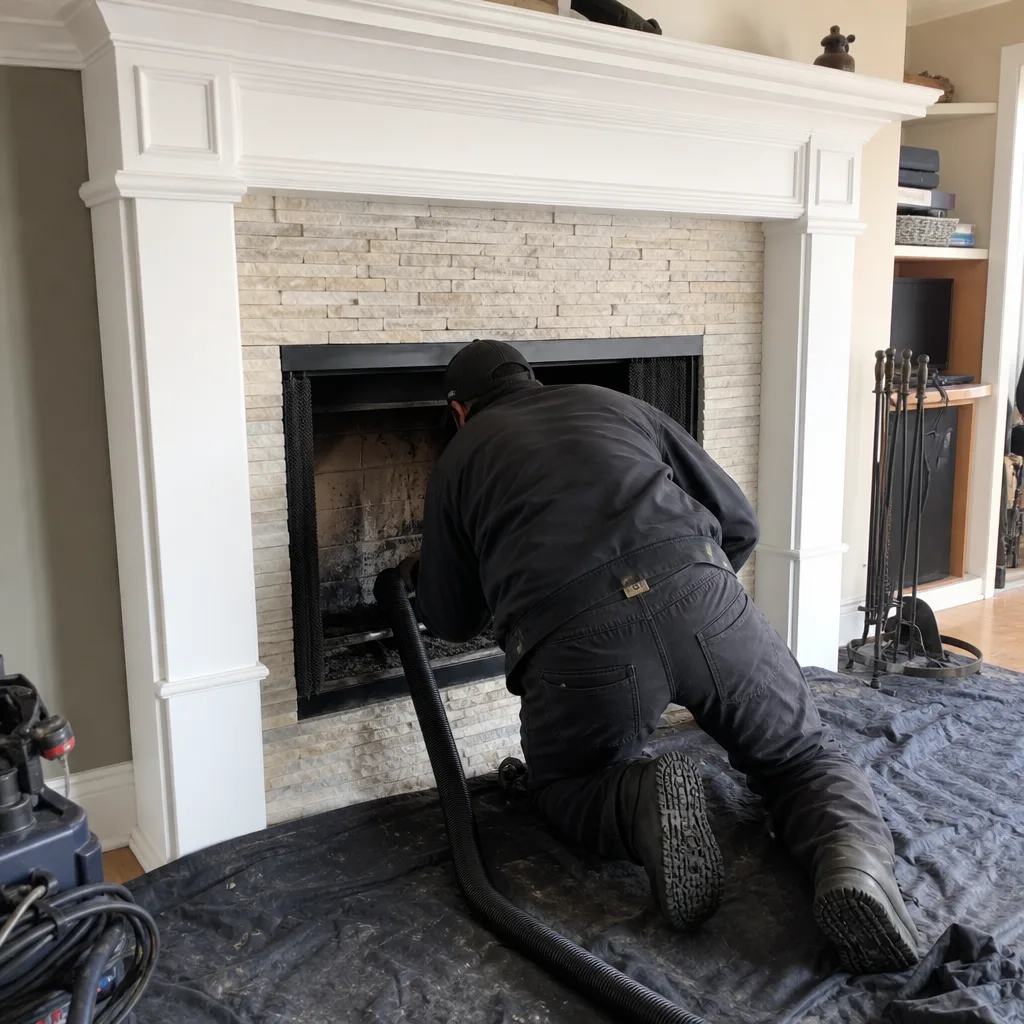
Level 1 sweep and inspection to the NFPA 211 annual standard - flue, crown, cap, and flashing checked and photographed
Chimney sweep logs do not sweep chimneys. They loosen some creosote - which then falls where a brush and vacuum still have to collect it.
Chimney Cleaning Permits, Codes & Inspections in CA: What You Need to Know
In California, a chimney sweeping itself almost never requires a permit. The repair a sweep discovers during that cleaning, however, usually does. Homeowners across Alameda learn this the hard way: a $199 sweep turns into a $2,400 liner replacement recommendation, and nobody mentioned that pulling a permit was legally required before the work started. This guide and our Chimney Sweep Troubleshooting: Common Problems and How to Fix Them resource map California’s regulatory terrain so you can ask the right questions before anyone touches your chimney. From BAAQMD wood-burning rules to Title 24 energy code, from permit-exempt maintenance to the gray-zone work that contractors sometimes misclassify, you’ll leave knowing exactly where you stand before the first brush goes up the flue.
Styles & brands we work with
- Sweep & inspection
- Caps & crowns
- Flue relining
- Masonry repair
- Gas fireplace service
Quick Answer
Chimney sweeping and routine maintenance are permit-exempt in California. However, structural repairs, liner replacements, masonry rebuilds, and major appliance installations generally require a building permit from your local jurisdiction. In Alameda, the City’s Building Division issues these permits, and work done without them can void your homeowner’s insurance on the affected structure. The safest path: confirm with your contractor, in writing, whether the specific scope of work is permit-exempt before it begins, and consult our Chimney Sweep Maintenance Checklist for Alameda Homeowners to know what questions to ask.
Table of Contents
- Which Chimney Services Are Permit-Exempt in California
- Which Chimney Work Requires a Pulled Permit
- The Gray Zone: Work Contractors Sometimes Misclassify
- BAAQMD Spare the Air Rules: How They Affect Alameda Fireplace Use
- The Insurance Implication of Unpermitted Chimney Work
- California Title 24 and Its Interaction With Older Alameda Homes
- How to Verify a Contractor Pulled the Correct Permit
- Common Mistakes to Avoid
- When to Call a Professional
- Frequently Asked Questions
- The Bottom Line
Which Chimney Services Are Permit-Exempt in California
California Building Code draws a clear line between maintenance and construction. A chimney sweep falls on the maintenance side. The state classifies routine cleaning, visual inspection, and minor component replacement as ordinary upkeep, which no jurisdiction in the Bay Area requires a permit for. This includes sweeping creosote from the flue, vacuuming the firebox, inspecting the damper, and replacing a worn chimney cap with a like-for-like unit.
What qualifies as “like-for-like” matters more than homeowners think. Replacing a rusted chimney cap with a new cap of the same design, same mounting method, and same dimensions is maintenance. Installing a different cap style, enlarging the opening, or adding a spark arrestor where none existed crosses into modification territory. Alameda homeowners with older pre-1950 chimneys encounter this often: the original cap is no longer manufactured, so the “simple replacement” requires slight modification, and suddenly the Building Division wants a permit. Understanding this boundary before work starts saves time and money.
Here’s what stays permit-exempt in California regardless of jurisdiction:
- Routine chimney sweeping (creosote removal, soot cleaning)
- Level 1 and Level 2 inspections conducted visually or with a basic camera
- Like-for-like chimney cap replacement
- Damper adjustment or lubrication without structural alteration
- Minor mortar patching of superficial cracks (not structural rebuilding)
- Replacing a worn gasket or seal on a fireplace door
The operative word is routine. If a service is something your grandfather would have handled with a wire brush, a ladder, and a Saturday afternoon, it’s almost certainly permit-exempt. If it involves removing brick, cutting metal, pouring concrete, or altering the firebox, you’re on the other side of the line.
Which Chimney Work Requires a Pulled Permit
Any alteration to the structure, flue, or firebox requires a building permit from the local authority having jurisdiction. In Alameda, that authority is the City of Alameda Building Division, which operates under the California Building Code (CBC) with local amendments. The permit exists to protect you: someone reviews the plans, inspects the work, and verifies it complies with current safety standards. Without that verification, you’re taking a contractor’s word that the work is safe. Contractors are wrong sometimes.
Work that requires a permit includes, but is not limited to:
- Chimney liner installation or replacement (stainless steel, cast-in-place, or clay tile)
- Masonry rebuild of the chimney crown, shoulders, or firebox walls
- Fireplace insert installation or replacement (wood, gas, pellet)
- Chimney removal or height modification
- Adding a wood-burning appliance where none existed
- Structural repair of a leaning or cracked chimney stack
- Flue resizing or smoke chamber reconstruction
Alameda’s housing stock includes a significant number of Victorian and Craftsman homes with original masonry chimneys. These structures are often 80 to 120 years old. When a sweep identifies deteriorated mortar joints or a cracked flue tile in one of these older chimneys, the repair scope usually involves rebuilding, not patching, and that always triggers a permit. A Chimney Repair in Alameda specialist who sees these older structures regularly will tell you the same thing: the cost of the permit is minor compared to the cost of fixing unpermitted work later.
The Gray Zone: Work Contractors Sometimes Misclassify
Between “routine maintenance” and “major structural work” sits a gray zone where permit requirements get murky. Less scrupulous contractors exploit this ambiguity to avoid the time and cost of pulling permits. Honest ones sometimes genuinely misjudge where the line falls. Either way, the homeowner inherits the liability. Here are the most common gray-zone situations we see in Alameda and throughout the Bay Area:
- Stainless steel liner as a “repair.” Some contractors frame a full reline as a “repair” because the existing liner failed. Technically, installing a new liner, whether rigid or flexible, is a fireplace modification and requires a permit. The framing doesn’t change the code requirement.
- Masonry pointing described as “caulking.” Repointing deteriorated mortar joints is structural work. Minor crack sealing with a flexible caulk is maintenance. The distinction lies in the depth of material removed and the type of compound used. Contractors who blur this line may be avoiding the permit they know is required.
- HeatShield or other cast-in-place liner restoration systems. These systems rehabilitate a damaged flue without a full stainless steel reline. Whether the installation requires a permit depends on the extent of surface preparation and whether the flue dimensions change. Many jurisdictions treat it as an alteration. Alameda’s Building Division generally wants to see it permitted.
- Chase cover replacement on factory-built fireplaces. A simple chase cover replacement is maintenance. If the flue termination changes or the chase is altered, it becomes a permit-triggering modification.
- Fireplace face-lift with new surround material. Cosmetic tile work on the hearth face is generally exempt. Rebuilding the firebox opening or changing its dimensions is not.
The rule to remember: when a contractor says “you don’t need a permit for this,” ask them to confirm that in writing. If they won’t, or if they hedge, call the building department yourself and describe the proposed scope. The counter staff at Alameda’s Building Division are generally responsive to homeowners asking legitimate questions. This is also where a full-service company distinguishes itself. A technician who can assess, repair, and verify in one visit is more likely to know the permit boundaries because they deal with them regularly, not just on the rare job that gets escalated. Professional brands like DuraFlex and Famco manufacture liner systems engineered to current code, and reputable installers want the permit on record to validate that their installation meets the standard.
BAAQMD Spare the Air Rules: How They Affect Alameda Fireplace Use
The Bay Area Air Quality Management District (BAAQMD) governs when you can legally burn wood in Alameda. This is separate from building permits, but it’s a regulatory layer that catches homeowners off guard every winter. When BAAQMD declares a Spare the Air alert during the cold season, usually November through February, burning wood, manufactured fire logs, pellets, or any other solid fuel in a fireplace or wood stove is illegal throughout the Bay Area, including all of Alameda.
The rule exists because fine particulate matter from wood smoke is the single largest source of wintertime air pollution in the Bay Area. Alameda sits in a marine layer basin that traps pollutants, especially on cold, still days. Violating a Spare the Air alert carries a first-offense fine of $100, with escalating penalties for repeat violations. BAAQMD enforces through citizen complaints and targeted patrols, and Alameda’s residential density means neighbors do report.
What this means for you operationally:
- Check before you burn. BAAQMD publishes daily burn status. Sign up for text alerts or download the app. The alerts typically go out the evening before or early the morning of an alert day.
- Exemptions are narrow. Homes that rely on wood burning as their sole source of heat may qualify for a waiver, but the application process is rigorous and few Alameda homes qualify. Gas fireplaces and gas log sets are generally exempt from Spare the Air restrictions, which is one reason many Alameda homeowners have converted.
- Chimney sweeping does not exempt you. A recently cleaned chimney burns cleaner but does not override the burning restrictions. A clean chimney still emits particulate matter, just less creosote-related risk.
- Gas inserts and gas log sets change the compliance picture. If you’re converting a wood-burning fireplace to gas, the installation is permit-required work. Once installed, gas burning is allowed on Spare the Air days, though the Bay Area’s broader push toward electrification may change this over the next decade.
For Alameda residents with wood-burning fireplaces, the practical implication is that your burning season is shorter than you might assume. You can expect anywhere from 10 to 25 Spare the Air days each winter. The Chimney Sweep in Alameda who understands the local air quality rules will tell you that proper maintenance matters more, not less, under these restrictions: when you do get a legal burn day, you want it to burn cleanly and safely.
The Insurance Implication of Unpermitted Chimney Work
Here’s the scenario that plays out more often than anyone wants to admit. A homeowner has a liner replaced without a permit. Two years later, a chimney fire damages the home. The insurance adjuster investigates, discovers the unpermitted liner work, and denies the claim on the grounds that the modification did not comply with current code, could not be verified by inspection, and constituted a material change to the structure that was never disclosed. The homeowner is out hundreds of thousands of dollars.
This is not hypothetical. Insurance companies have become increasingly aggressive about denying claims related to unpermitted chimney, fireplace, and venting work. The logic they use is simple: if no permit was pulled, no inspector verified the work met code, and the insurance policy excludes damage caused by non-code-compliant construction. You don’t have to be a contractor to see how that becomes a problem when a fire starts in or near the unpermitted installation.
What you need to know:
- Your policy likely requires you to disclose modifications. Most homeowners policies require notification of material alterations to the structure. An unpermitted liner replacement qualifies. Failing to disclose can itself be grounds for claim denial, even if the work was done correctly.
- Pre-existing unpermitted work becomes your problem at purchase. If you buy an older Alameda home with a history of flipper renovations, ask specifically about chimney and fireplace work during escrow. The seller’s disclosure form has a section for unpermitted improvements. Read it carefully. If work is disclosed as unpermitted, the remedy may involve retroactive permitting, which is sometimes possible for work that meets current code.
- Retroactive permits are possible but not guaranteed. If you discover unpermitted chimney work, the first step is a level 2 inspection to document what exists. If the work is sound and meets current code, the building department may issue a permit retroactively, sometimes with an inspection fee and a penalty. If the work is defective, you’re looking at either removal or correction, both of which are expensive.
- The permit is your proof of due diligence. When a contractor has pulled the correct permit and the work has passed inspection, you have a paper trail that helps, not hurts, your insurance claim process. That’s the entire point.
At Ambassador Chimney Sweep home, we emphasize permit compliance because we’ve seen the alternative. A HeatShield liner restoration or a Copperfield cap replacement installed to code with a permit on file serves the homeowner far better than the same work done quietly, no matter how good the craftsmanship. The permit is not bureaucracy. It’s leverage you hold if something goes wrong.
California Title 24 and Its Interaction With Older Alameda Homes
Title 24, Part 6 of the California Code of Regulations, sets the state’s energy efficiency standards. When it comes to fireplaces and chimneys, Title 24 matters in two specific ways for Alameda homeowners: what happens when you build or renovate, and what happens when you replace a fireplace appliance.
The first aspect is the sealed-combustion requirement. New construction and major renovations in California must use sealed-combustion, direct-vent gas fireplaces, or wood-burning appliances that meet EPA emission standards, or none at all. An open masonry fireplace, the classic style found in Alameda’s older Victorians, draws conditioned indoor air up the chimney and out of the house. Title 24 effectively prohibits installing new open fireplaces because they waste energy. There’s no citation required for existing fireplaces, but the requirement shapes every renovation conversation.
The second aspect is the appliance replacement rule. If you replace a fireplace or wood stove in an existing home, the new appliance must meet current efficiency and emission standards. For wood-burning units, this means EPA-certified, which in practice limits options to the most efficient stoves and inserts on the market. For gas, the requirement is a direct-vent unit with a sealed combustion system. When an Alameda homeowner with an old masonry fireplace wants to convert to gas or install an insert, the permitting process involves not just the building department but also Title 24 compliance verification.
What this means in practice for older Alameda homes:
- You can keep and use your existing open fireplace. Title 24 did not outlaw existing installations. But if the firebox or flue needs major repair, you’ll likely encounter pressure to modernize the appliance while you’re at it. The cost tradeoff between rebuilding an inefficient open fireplace and installing a compliant insert should be weighed carefully.
- Dampers are a Title 24 focal point. The code has specific requirements for tight-sealing dampers on new and replacement installations. Older Alameda homes often have original cast-iron dampers that leak. Replacing a leaking damper is a repair that improves both safety and efficiency, and in many cases it’s permit-exempt if the damper is replaced like-for-like in size and function.
- Gas logs versus gas inserts are not equivalent under Title 24. A gas log set installed into an open fireplace does not meet sealed-combustion requirements. A gas insert with a direct-vent liner system does. The Liners from Olympia Chimney and DuraFlex are engineered specifically for these sealed-combustion conversions, which is why professionals use them instead of hardware-store liner kits.
The big-picture point: Title 24 is not something you navigate around. It’s something you build compliance into. Anyone doing permitted work on a fireplace in Alameda has to account for it, and the inspector will verify it. Working with a company that understands the intersection of Title 24, local building code, and the practical realities of older Alameda homes saves you from the worst outcome: paying for work that fails inspection and has to be redone.
How to Verify a Contractor Pulled the Correct Permit
The time to verify permit status is before the work starts, not after the invoice arrives. Here’s a step-by-step process that works in Alameda and in any California jurisdiction:
- Ask the contractor, in writing, for the permit number before work begins. The permit number is issued by the building department when the permit is pulled. No number, no permit. Email is fine. Text is fine. What matters is that you have a written record.
- Confirm the permit type matches the scope of work. A permit for “fireplace repair” may not cover a full liner replacement. A permit for “electrical work” does not cover masonry reconstruction. Read the permit description. If the scope of work described doesn’t match the scope of work the contractor verbally described, stop and ask questions.
- Verify the permit is active. Alameda’s Building Division maintains an online permit lookup portal. Enter the permit number and confirm the status is active or issued, not expired or applied for. If the contractor says they “applied for” the permit, that’s not the same as having it. Work cannot legally begin until the permit is issued.
- Know who holds the permit. In California, the property owner or the contractor can pull the permit, but if the contractor pulls it, they’re responsible for scheduling inspections and closing the permit. If you pull it as the homeowner, those responsibilities are yours. Most homeowners are better served by having the contractor pull the permit and remain responsible for the final inspection.
- Schedule the final inspection. Permitted work concludes with an inspection. The inspector visits, verifies the work, and signs off. That sign-off is what closes the permit and gives you your insurance paperwork. If a contractor finishes the work and never schedules the final inspection, the permit remains open, and that’s nearly as problematic as never pulling the permit at all.
- Get the signed final inspection in writing. Don’t take a verbal “the inspector came by” as confirmation. Request the inspection sign-off document. Keep it with your home records. When you sell the house, the buyer will ask about chimney work. Having the closed permit and inspection report is a selling point that justifies your asking price.
If you discover that work was done without a permit, or with the wrong permit, do not accept “we’ll pull it retroactively” as a complete resolution without verifying that retroactive permitting is possible in your jurisdiction for the specific work performed. In Alameda, retroactive permits are sometimes issued for work that meets code, but the process involves disclosure, inspection, and fees. If the work fails inspection, the remedy is correction, and the contractor should be responsible for that cost. A company like ours that handles Dryer Vent Cleaning in Alameda alongside chimney work understands permit boundaries because we operate across the full service spectrum and don’t hand off responsibility to someone else when a job gets complicated.
Common Mistakes to Avoid
- Assuming the sweep will tell you about permits for recommended repairs. A sweep’s job is to clean and identify. Some companies do not explain the permitting implications of the repairs they recommend. Ask directly: “If I authorize this repair, what’s the permit situation?”
- Treating a chimney cap replacement as automatically exempt. Like-for-like is exempt. Changing the cap type, adding a spark arrestor, or modifying the termination is not. Alameda’s Victorian-era homes often have non-standard terminations that trigger this issue.
- Burning during a Spare the Air alert because “nobody will catch me.” Alameda is a dense residential community. Your neighbors see the smoke and some of them will call BAAQMD. The fine is real, and repeat complaints escalate.
- Filing an insurance claim for chimney damage without knowing whether prior work was permitted. If the adjuster finds unpermitted work you didn’t know about, you’re still the one bearing the consequence. Order a Level 2 inspection before filing any substantial claim involving the chimney structure.
- Choosing a contractor based on the permit-avoidance pitch. “We don’t need to pull a permit for this, it’ll save you money” is a red flag. The contractor who says that is showing you their priorities.
- Neglecting the final inspection. A permit that’s pulled but never finaled is an open liability. If the contractor fails to schedule the final inspection, you can schedule it yourself by contacting the building department and explaining the situation.
- Forgetting that dryer vents have code requirements too. California Mechanical Code specifies dryer vent construction, termination, and maximum length. Many Alameda homes have dryer vents that violate these codes, and the violations are fire hazards. The same permit logic applies: routing a dryer vent incorrectly is a change to the structure, and correcting it may require a permit depending on scope.
When to Call a Professional
If you’ve just read about permit requirements and realized you don’t know the status of work done on your chimney by a previous owner, that’s your cue. Order a Level 2 chimney inspection, which includes a camera scan of the flue interior and documentation of what’s there. If the inspection reveals a liner failure, structural cracking, or an improperly terminated vent, stop burning and call someone who can handle assessment and repair under one roof. The benefit of a full-service company is not convenience; it’s accountability. The same technician who documents the problem fixes the problem, and the permit for that fix gets pulled by someone who actually understands the work being permitted. Ambassador Chimney Sweep offers free estimates in Alameda. Call (877) 752-4931 to schedule yours.
Frequently Asked Questions
No. Routine chimney sweeping, including creosote removal, soot cleaning, and visual inspection, is classified as maintenance and is permit-exempt throughout California. No city in the Bay Area, including Alameda, requires a permit for a standard chimney cleaning. The permit question only arises when the sweep identifies repair work that goes beyond maintenance scope.
A standard chimney sweep in Alameda typically runs $199 to $349 depending on chimney type, accessibility, and the level of inspection included. If the sweep identifies repair needs, the total cost changes based on the repair scope and whether a permit is required. Contact Ambassador Chimney Sweep at (877) 752-4931 for a free estimate specific to your chimney.
No. BAAQMD declares Spare the Air alerts during the winter burning season, typically November through February, and burning any solid fuel during an alert is illegal throughout Alameda. Check the daily burn status before lighting a fire. Gas fireplaces and gas inserts are exempt from the restriction.
Unpermitted chimney work creates insurance risk, can delay or derail a home sale, and may need to be corrected or retroactively permitted before the property can be brought into compliance. The first step is a Level 2 inspection to document what was done. If the work meets current code, retroactive permitting is sometimes possible. If it doesn’t, correction is required.
Yes. Replacing a chimney liner, whether with stainless steel, cast-in-place material like HeatShield, or clay tile, is a modification to the fireplace structure and requires a permit from the local building department. In Alameda, the City of Alameda Building Division issues these permits, and the work must pass a final inspection.
The National Fire Protection Association recommends a chimney inspection at least once per year, with sweeping performed when creosote accumulation reaches 1/8 inch. Given Alameda’s marine climate and the moisture it introduces to masonry, many homeowners benefit from annual inspection and cleaning every one to two years depending on burning frequency. Homes that burn regularly during the legal winter burning season should be swept annually. Call (877) 752-4931 for a free estimate.
The Bottom Line
Chimney permits in California are not complicated once you know where the lines are. Cleaning is maintenance, exempt everywhere. Structural repair, liner replacement, and appliance installation are construction, requiring permits in Alameda and across the state. The regulatory landscape adds layers beyond permits: BAAQMD restricts when you can burn, Title 24 governs efficiency upgrades, and your insurance policy’s fine print awaits anyone who ignores the permit requirement. The solution is to work with a chimney professional who understands all of these layers and handles them as a matter of course. Sweep, repair, and protect: handled by one team, with permits pulled properly and inspections closed. For more guides & resources on keeping your chimney safe and compliant, explore our blog. If you’re in Alameda and want a clear picture of your chimney’s condition and compliance status, call (877) 752-4931 and ask for a free estimate.
Written by the team at Ambassador Chimney Sweep, serving Alameda since 2014.
See the difference
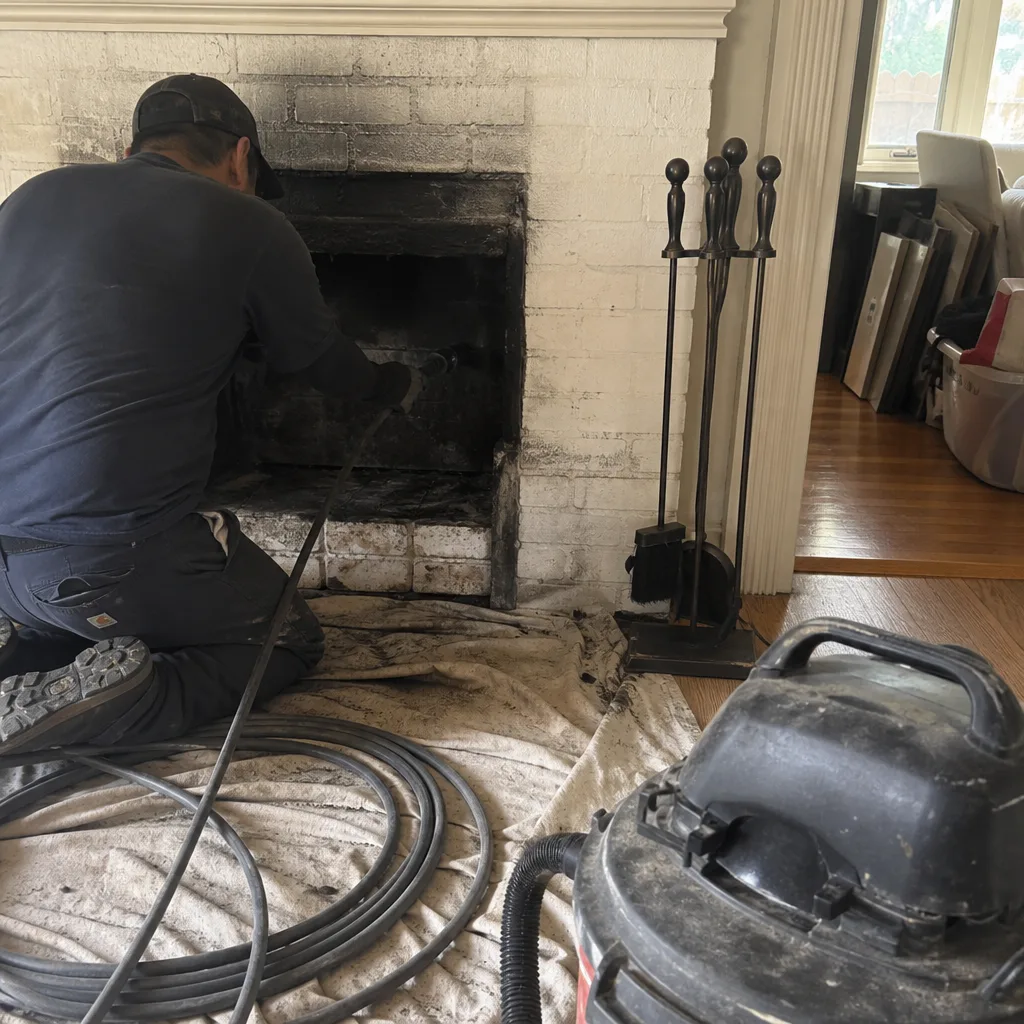 Before
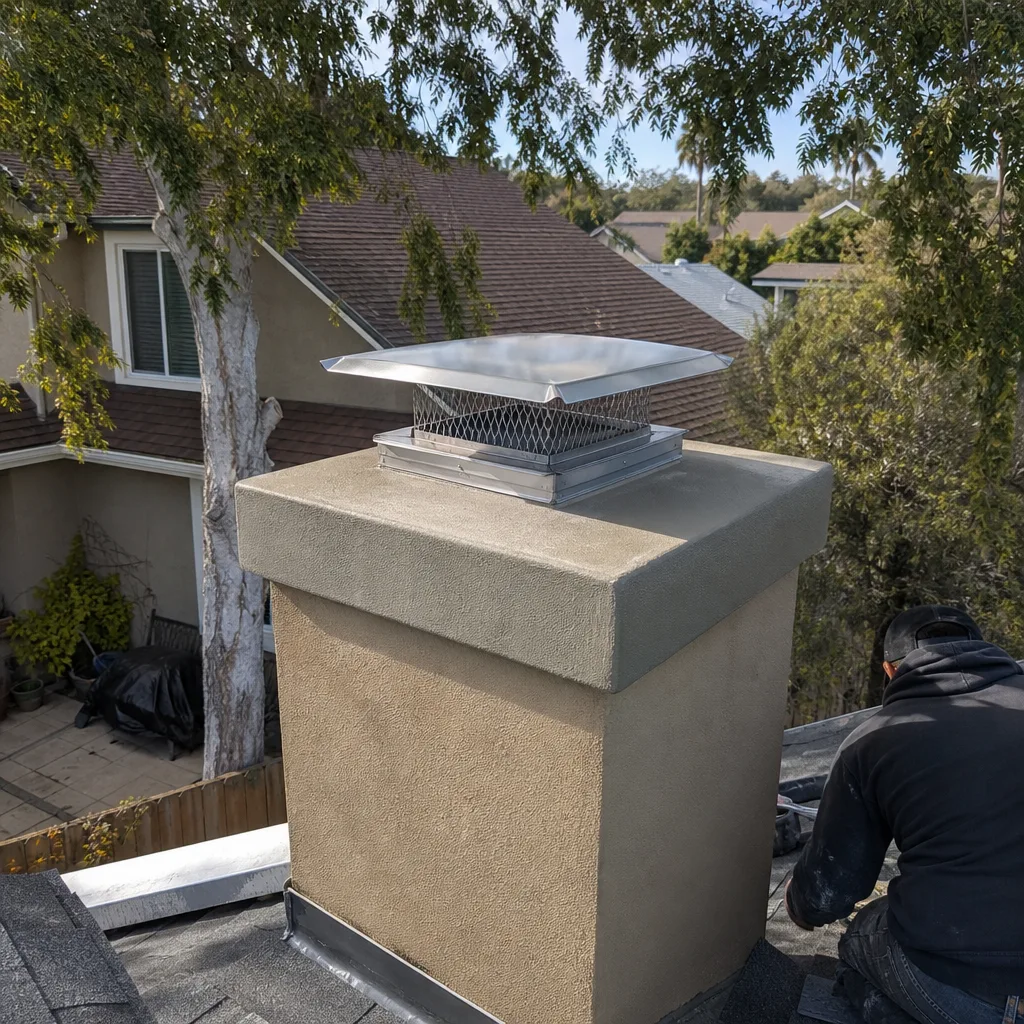 After
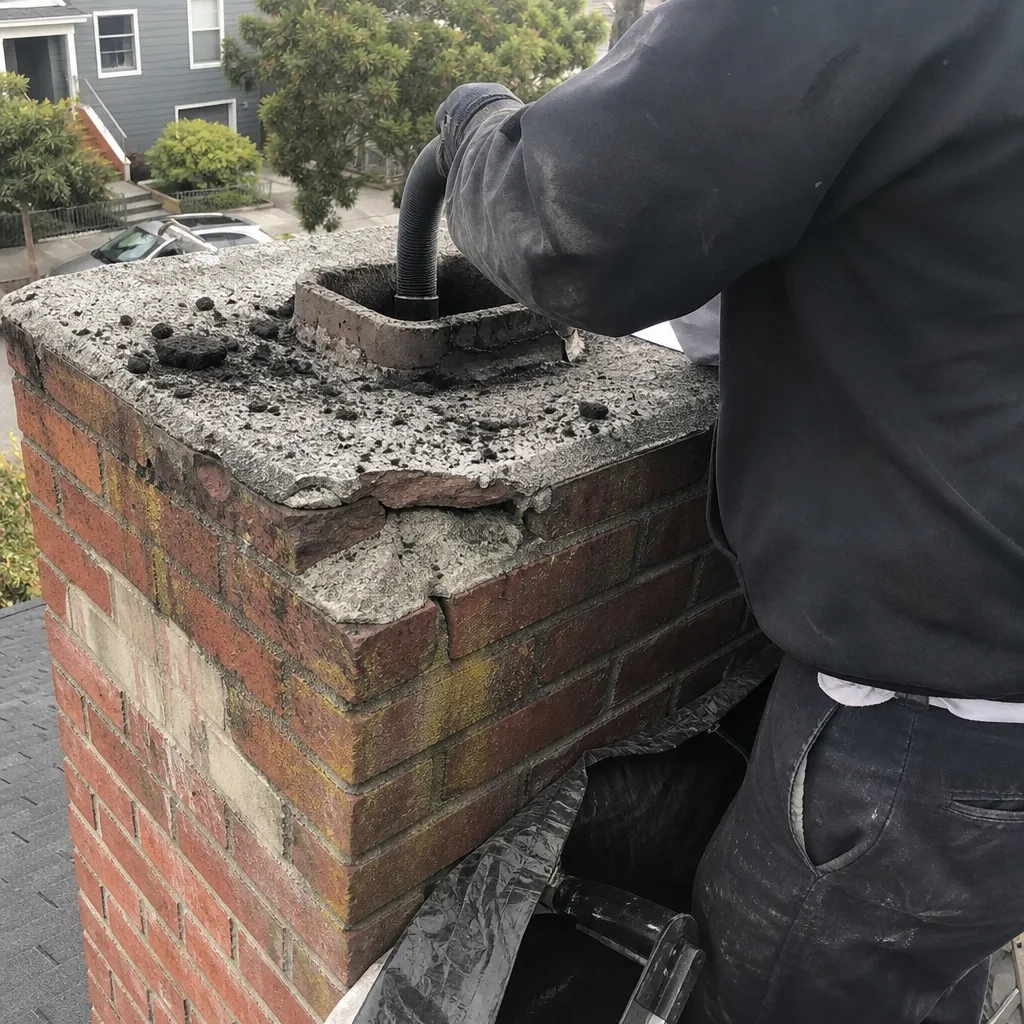 Before
 After
 Before
 After