
Last updated November 3, 2026
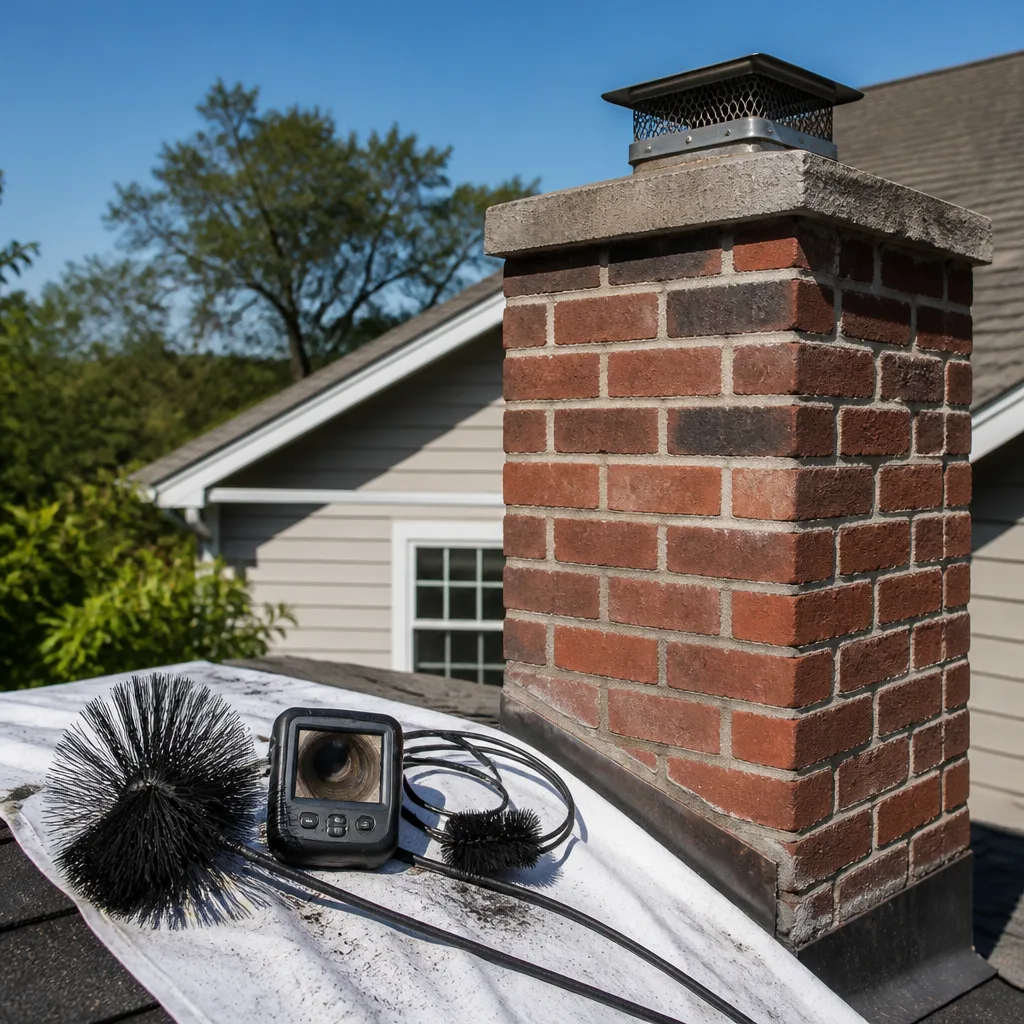 Sweep & inspection
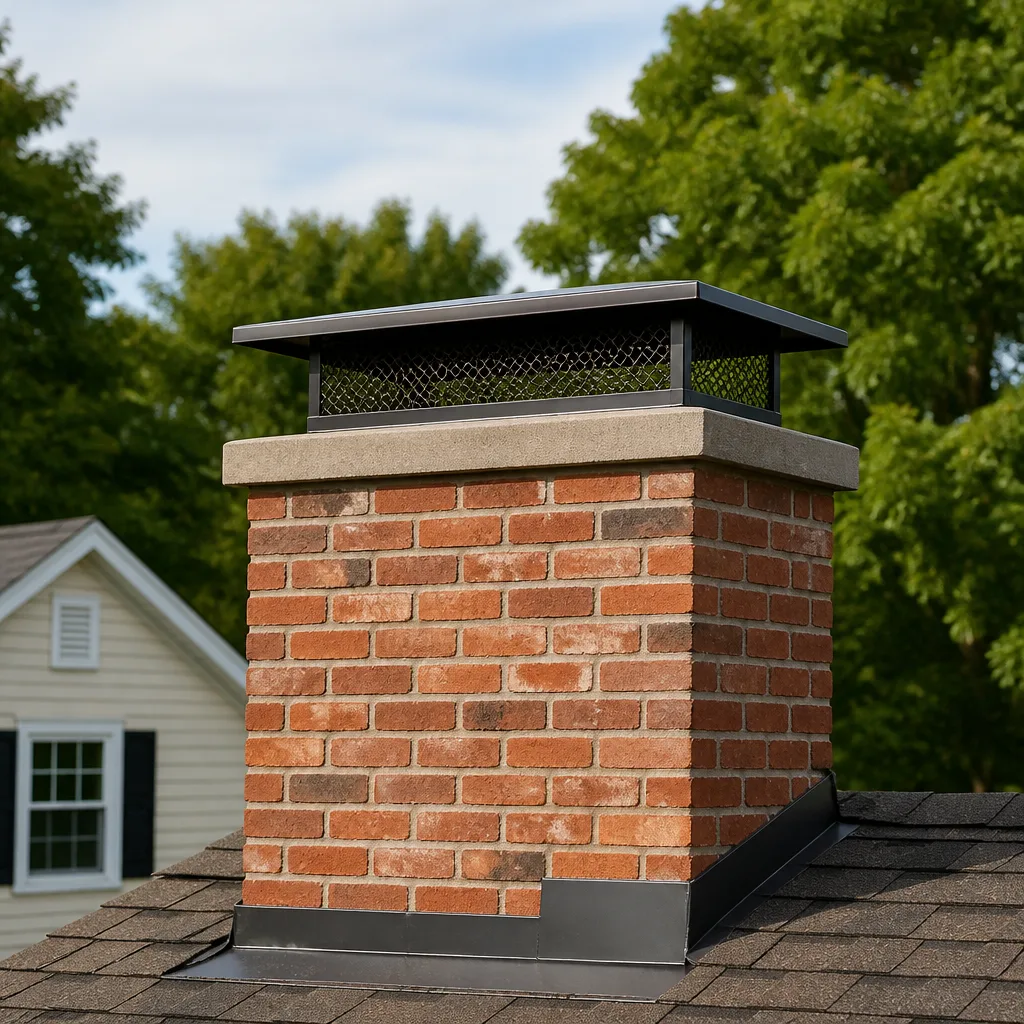 Caps & crowns
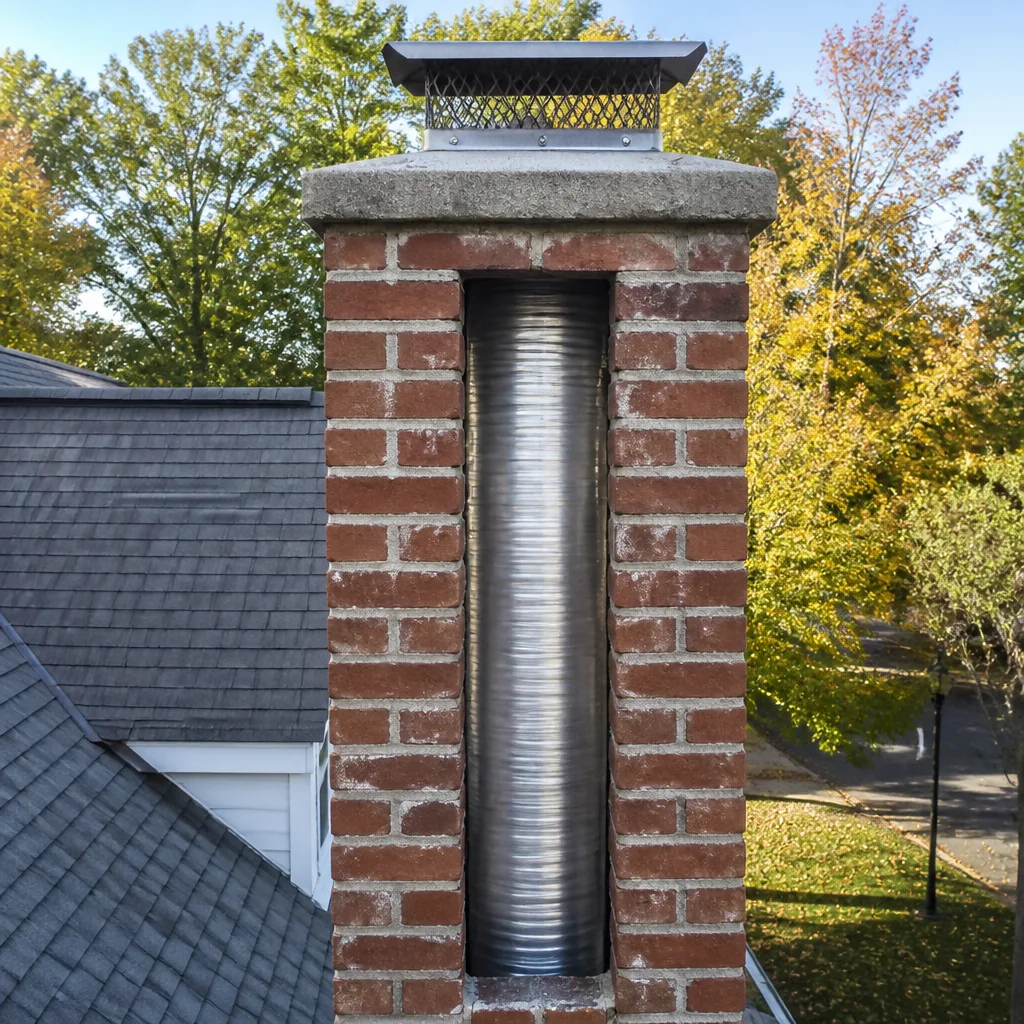 Flue relining
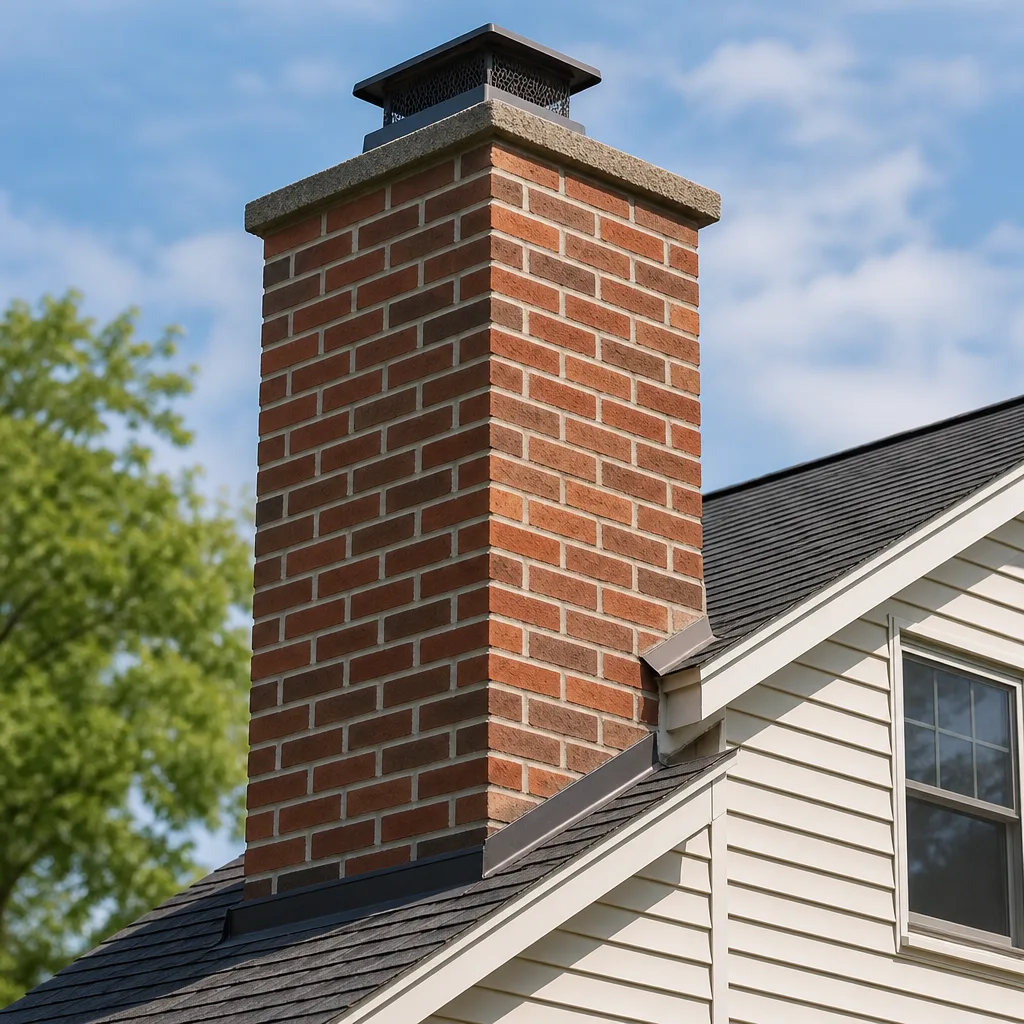 Masonry repair
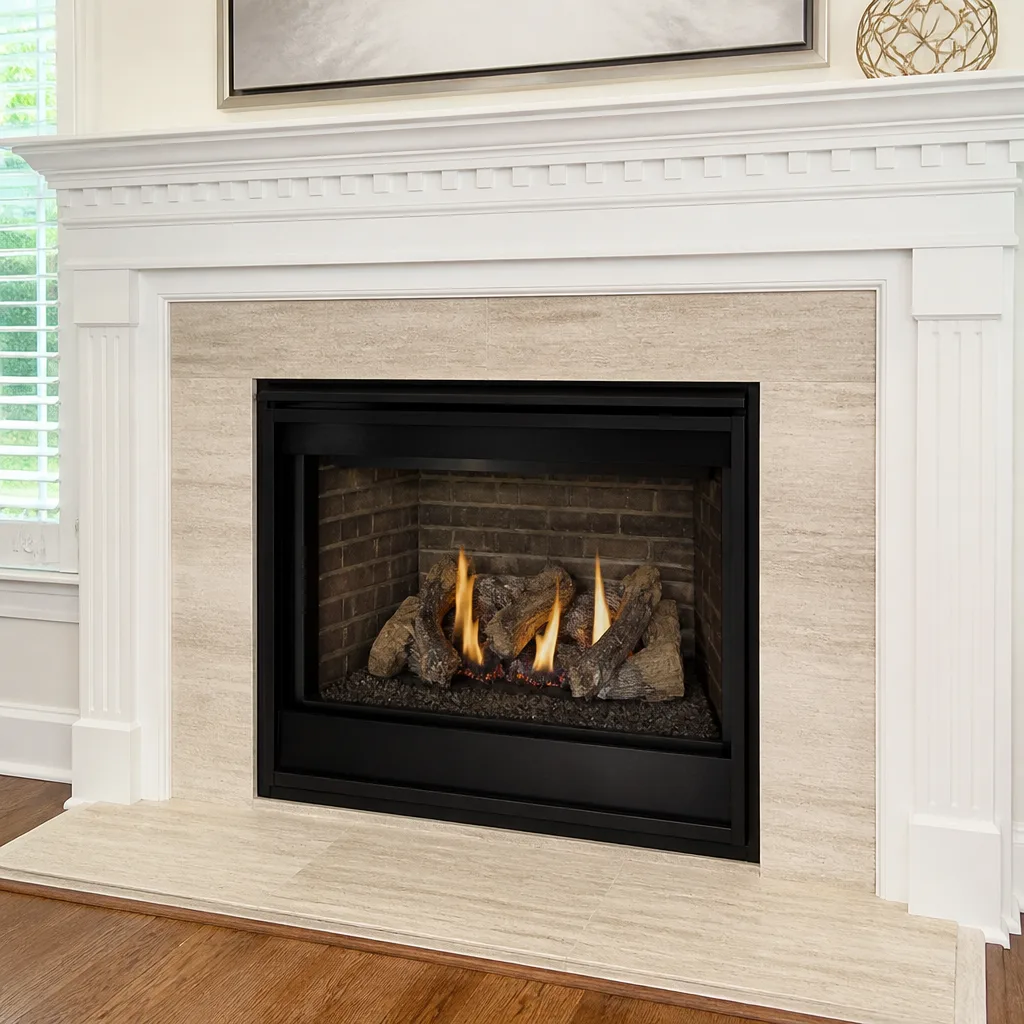 Gas fireplace service
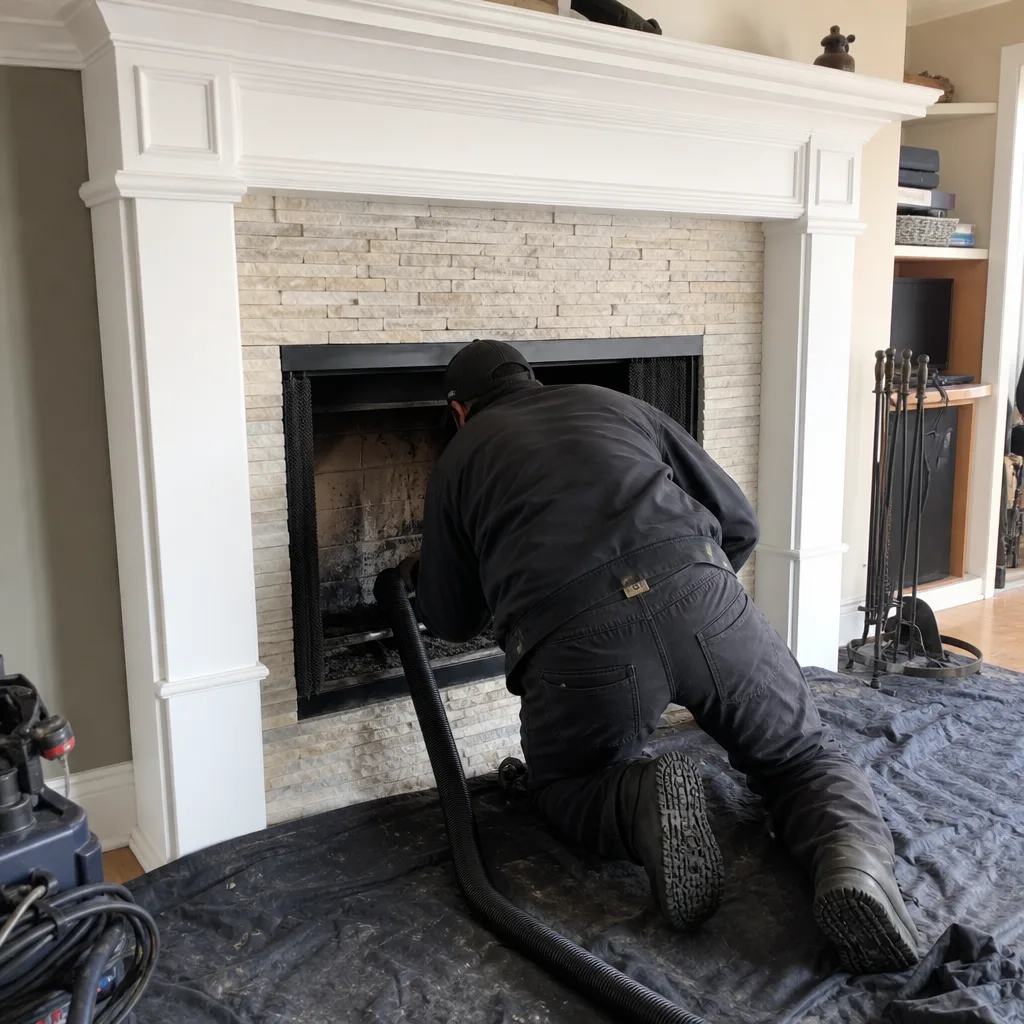
Level 1 sweep and inspection to the NFPA 211 annual standard - flue, crown, cap, and flashing checked and photographed
Chimney sweep logs do not sweep chimneys. They loosen some creosote - which then falls where a brush and vacuum still have to collect it.
Choosing the Right Chimney Cleaning Brand: A Buyer’s Guide for Alameda
Here’s something most homeowners in Alameda never realize until it’s too late: the most important thing a chimney company’s website tells you has nothing to do with their marketing. It’s whether they list the specific equipment and diagnostic capability of the technicians they actually send to your home. A logo, a wrapped van, and a friendly booking agent don’t clean chimneys. A trained technician with professional-grade tools and the ability to recognize structural problems does. This guide will teach you how to read the signals that separate a genuine full-service chimney specialist from a sweep-only operator who quotes low, runs a brush, and refers out every problem they find. For The Complete Chimney Sweep Guide for Alameda Homeowners, see our dedicated resource.
Styles & brands we work with
- Sweep & inspection
- Caps & crowns
- Flue relining
- Masonry repair
- Gas fireplace service
Quick Answer
The right chimney cleaning brand in Alameda is one that combines professional-grade equipment, documented repair capability, and in-house diagnostic expertise, not just a brush-and-vacuum service. Look for a company that stocks brands like HeatShield or DuraFlex, can perform chimney repair alongside sweeping, and treats dryer vent cleaning as core fire prevention rather than an afterthought. Ask any candidate three specific questions before booking: what certifications their technicians hold, whether they perform repairs in-house or refer them out, and what diagnostic tools they bring to every job.
Table of Contents
- The Observable Signals That Separate Specialists From Sweep-Only Operators
- How to Evaluate Chimney Company Reviews Like a Trade Professional
- What CSIA, NFI, and Other Credentials Actually Certify (and What They Don’t)
- The Liability Gap: Why Same-Relationship Repair Matters in Alameda
- Three Questions to Ask Any Chimney Company Before Booking
- Why the Brands a Company Stocks Tell You More Than Their Slogan
- What Alameda Homeowners Need to Know About Local Chimney Conditions
- Common Mistakes to Avoid
- When to Call a Professional
- Frequently Asked Questions
- The Bottom Line
The Observable Signals That Separate Specialists From Sweep-Only Operators
You can learn more about a chimney company from their website and a ten-minute phone call than from a dozen generic five-star reviews. Here’s what to look for.
Equipment inventory is the first tell. A company that lists the brands they install and the diagnostic tools they carry is signaling trade-level competence. A company that says “we clean chimneys” and nothing else is signaling a brush, a vacuum, and a referral pad. In our experience serving Alameda homes, the difference shows up immediately when a technician arrives. A specialist carries inspection cameras and understands what they’re seeing inside the flue. A sweep-only operator can tell you the chimney is dirty but often can’t tell you why it got that way or what it means for the liner’s condition.
Documented repair capability is the second tell. Here’s a scenario we’ve seen repeated across Alameda’s older housing stock: a homeowner books a chimney sweep, the tech completes the cleaning, and then says, “You’ve got some liner damage, you’ll need to call a chimney repair company.” The homeowner now has to start over. They have to find another contractor, explain what the first one found, schedule a second visit, and hope the diagnosis was accurate. A full-service operation handles the entire sequence. When Ambassador Chimney Sweep arrives at an Alameda home, we’re equipped to sweep, diagnose, and repair within the same relationship. That continuity isn’t just convenient. It’s a safety advantage, because the person who examined your chimney is the person fixing it.
In-house versus referred-out services is the third tell. Ask directly: “If you find a problem during the sweep, who fixes it?” Listen carefully to the answer. “We’d recommend someone” is not the same as “we handle that.” Companies that refer out chimney repair have a structural incentive to either miss problems or over-report them, depending on their referral arrangements. Companies that repair in-house have every incentive to tell you exactly what they find, because they’re accountable for the follow-through. For Alameda residents, this matters particularly because of the age and variety of local chimneys. Victorian-era masonry flues, mid-century metal liners, and modern gas inserts all present different failure patterns. A single technician who understands all three is worth more than three separate contractors who each understand one.
The Actionable Checklist:
- Look for specific brand names on the company’s website (HeatShield, DuraFlex, Olympia Chimney, Famco).
- Look for a distinct “Chimney Repair” service page, not just “Chimney Sweep.”
- Look for a distinct “Dryer Vent Cleaning” service page. It’s a leading cause of residential fires, and companies that ignore it are telling you something about their scope.
- Call and ask: “What happens if you find a problem during the sweep?”
- Call and ask: “What diagnostic equipment does your technician carry?”
For a deeper look at what a proper sweep involves, see our Chimney Sweep in Alameda page.
How to Evaluate Chimney Company Reviews Like a Trade Professional
Most homeowners read reviews the wrong way. They count stars and skim for the word “friendly.” A trade professional reads reviews for evidence of diagnostic competence. Here’s what to look for when evaluating chimney company reviews in Alameda.
Phrases that indicate genuine diagnostic skill: “They found a crack in the flue liner and showed me the camera footage.” “They explained why my fireplace was smoking back into the house and fixed the draft issue.” “They told me my chimney cap was rusting and replaced it before it failed.” “They identified a creosote buildup stage I didn’t know existed and explained the fire risk.” These reviews describe the process of assessment, diagnosis, and treatment. They tell you the technician was looking at the chimney as a system, not just running a brush through it.
Phrases that indicate surface-level service: “They were prompt and polite.” “They cleaned up after themselves.” “Good price, nice people.” These are baseline expectations. They tell you nothing about whether the technician understood what they were looking at. A chimney cleaning can be courteous, tidy, affordable, and still miss a failing liner or a blocked passage. The stakes are a chimney fire or carbon monoxide exposure. Politeness is not a safety metric.
Look for reviews that mention specific findings. A review that says “they found a deteriorated chimney crown and recommended repair” suggests a company that looks for problems. A review that says “they swept and left” suggests a company that does the minimum. In Alameda’s housing market, where many homes predate 1950, minimum-level sweeping is not enough. Older chimneys accumulate structural issues that newer ones don’t. The difference between a swept chimney and an evaluated chimney is the difference between maintenance and safety.
One review tells you little. Ten reviews tell you a pattern. If a company’s reviews consistently mention specific diagnoses, specific repairs, and specific brands or methods (HeatShield liner restoration, for instance), you’re looking at a specialist. If the reviews consistently describe a quick visit and a receipt, you’re looking at a commodity sweep service. Both have their place. But if you’re reading this guide, you’re looking for more than the minimum.
What CSIA, NFI, and Other Credentials Actually Certify (and What They Don’t)
Let’s be honest about what industry credentials mean, because the marketing around them is often misleading.
CSIA (Chimney Safety Institute of America) certifies individual technicians, not companies. The certification process covers chimney sweeping, inspection procedures, fire safety codes, and basic diagnosis of common problems. A CSIA-certified technician has demonstrated baseline knowledge. What the credential does not guarantee: that the technician will apply that knowledge on your specific chimney, that the company they work for stocks professional-grade materials, or that the company performs repairs in-house. Certification is a data point. It is not a guarantee.
NFI (National Fireplace Institute) certifies specialists in specific categories: wood-burning, gas, and pellet systems. An NFI-certified technician has demonstrated competence in fuel-specific installation and service standards. Again, this is an individual credential. It tells you the person understands the fuel type. It does not tell you whether the company they work for carries Famco venting components or can restore a flue liner with HeatShield.
The gaps in every certification: No credential process covers what happens when the technician finds a problem the certification didn’t anticipate. No certification requires a company to repair what they find. No certification mandates that a company stock professional-grade brands rather than hardware-store substitutes. These gaps are exactly where homeowners get let down. The technician is fine. The company’s scope is not.
What actually protects the homeowner: The combination of a credentialed technician and a company equipped for repair. When those two things coexist, the credential means something. When they don’t, the credential is a promotional badge on a limited operation. If you want to get the most out of a certification question, don’t just ask “Are your technicians certified?” Ask “Certified in what, and what happens when the person you send identifies a repair need?” That second question is where you’ll find out whether you’re hiring a diagnostic professional or a brush operator.
The Liability Gap: Why Same-Relationship Repair Matters in Alameda
There’s a quiet liability problem in the chimney service industry, and it plays out in Alameda homes every season. It goes like this: Company A sweeps your chimney and notes “some damage” without specifying what it is or how urgent it is. You now know something is wrong but not what. Company A’s job is done. You call Company B to investigate. Company B says the damage is worse than Company A indicated, or different, or was caused by Company A’s sweep. Company A says they only cleaned it. Company B says they only fix what’s in front of them. You are left holding a repair bill and no one is accountable for the gap between we cleaned it and someone else’s problem.
This liability gap is the single strongest argument for hiring a company that handles Chimney Repair in Alameda in-house. When the same technician sweeps, diagnoses, and repairs, there is no gap. The person who looked at your flue liner with a camera is the person who tells you whether it needs restoration or replacement. If they recommend HeatShield, they can perform HeatShield restoration. If they find a failed chimney cap, they can install a new one. The chain of accountability is unbroken.
For Alameda homeowners, this matters more than in many communities because of the housing stock. A 1920s Craftsman with a masonry chimney and a 1960s ranch with a metal flue and a modern townhouse with a gas insert all have different failure signatures. A company that only sweeps sees all three as “a chimney that needs brushing.” A company that repairs sees three different systems with three different risk profiles. The homeowner who hires the former inherits the liability of figuring out the difference. The homeowner who hires the latter transfers that liability to the professional.
We’ve seen this play out. A homeowner in Alameda’s East End called us after a sweep-only company told her the chimney “looked fine” during a cleaning. A month later she smelled smoke in the walls. Our camera inspection found a cracked flue liner that had been visible to anyone who looked. The sweep company had looked, but they hadn’t assessed. The gap between looking and assessing is where the liability lives.
Three Questions to Ask Any Chimney Company Before Booking
You don’t need to be a chimney expert to evaluate a chimney company. You need to ask three questions and listen carefully to the answers. Here’s why each one matters.
- “What certifications do your technicians hold, and specifically what are they certified to do?” This separates credential-holders from brush operators. A CSIA certification covers cleaning and basic inspection. An NFI certification covers fuel-specific systems. Neither is a guarantee, but both indicate baseline training. If the answer is vague (“all our techs are trained”), dig deeper. Ask what the training covered. Ask whether the technician carries a camera for internal inspection. A company that can’t describe its technician’s qualifications in specific terms is telling you it doesn’t think qualifications matter.
- “If your technician finds a problem during the sweep, who fixes it?” This is the question that separates full-service operations from sweep-only ones. The answer you want is some version of “we fix it ourselves” with the capacity to describe what that involves. The answer you don’t want is “we’d refer you to someone.” The referral gap is where liability, delay, and inflated repair costs enter the process. When a company repairs in-house, the incentive structure aligns with accuracy. When a company refers out, the incentive structure rewards either under-diagnosis (miss it) or over-diagnosis (scare you into a referral). Neither serves the homeowner.
- “What brands and materials do you stock for repairs?” This is the question that reveals trade-level professionalism. A company that stocks and installs HeatShield, Gelco, Olympia Chimney, or Famco products is working with the same materials used by commercial contractors. A company that says “we can get whatever you need” is often buying from a local supply house on a per-job basis, with no depth of inventory and no technical relationship with the manufacturers. The difference shows up in lead times, fitment, and code compliance. For Alameda homeowners, where wind exposure and salt air affect chimney components, professional-grade stainless systems make a measurable difference.
Ask these three questions of two or three companies and the field will narrow quickly. Most operations answer the first question vaguely and the second question with a referral. The ones that answer all three with specifics are the ones equipped to handle whatever your chimney reveals.
Why the Brands a Company Stocks Tell You More Than Their Slogan
Every chimney company has a slogan. Few have a parts inventory worth talking about. The difference is one of the most reliable signals in the industry.
HeatShield is a ceramic-based flue liner restoration system that rehabilitates damaged liner surfaces without requiring a full reline. It’s a specialized repair method, not a product you’d find at a hardware store. When a company advertises HeatShield capability, they’re telling you three things: they invest in advanced repair training, they stock materials most sweep-only operations don’t, and they can offer a repair option that competitors can’t. For a homeowner facing a failing liner, HeatShield can mean the difference between a targeted restoration and a costly full reline. Most Alameda chimney companies cannot offer it.
Famco manufactures venting and termination components built to professional code standards. Olympia Chimney supplies a broad catalog of chimney system components, from caps to liners to dampers. Gelco produces repair materials used in masonry and liner applications. None of these are household names. That’s the point. They’re trade brands. A company that cites them by name is signaling that it operates in the professional supply chain, not the retail one.
Here’s the practical implication for an Alameda homeowner: when a chimney cap fails, a sweep-only company takes a photo and adds a line item to your estimate. A stocked company walks to the truck, retrieves a cap that fits your flue size, and installs it. Same for dampers, flashing, and liner components. The parts are on the vehicle because the company anticipated needing them. That anticipation is what “full-service” actually means, and it’s impossible to fake.
We work with six professional-grade industry brands, including HeatShield, Gelco, Olympia Chimney, and Famco. Our inventory reflects a simple philosophy: an Ambassador shows up prepared to fix problems, not just document them. When you see brand names on a chimney company’s website, you’re looking at the inventory behind the marketing. When you don’t, you’re looking at a brush and a referral pad.
What Alameda Homeowners Need to Know About Local Chimney Conditions
Alameda’s geography creates specific chimney conditions that homeowners in other Bay Area cities don’t face to the same degree. Understanding them helps you evaluate any service provider more intelligently.
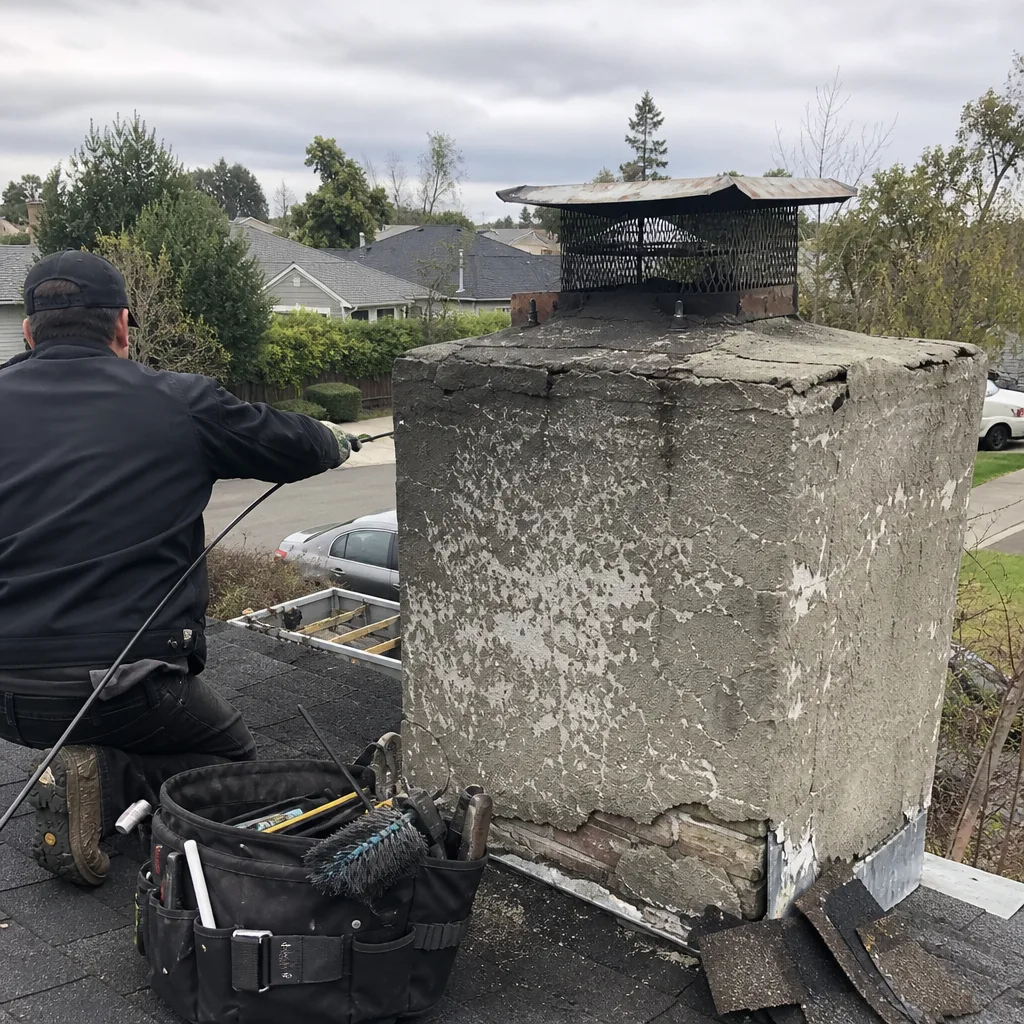
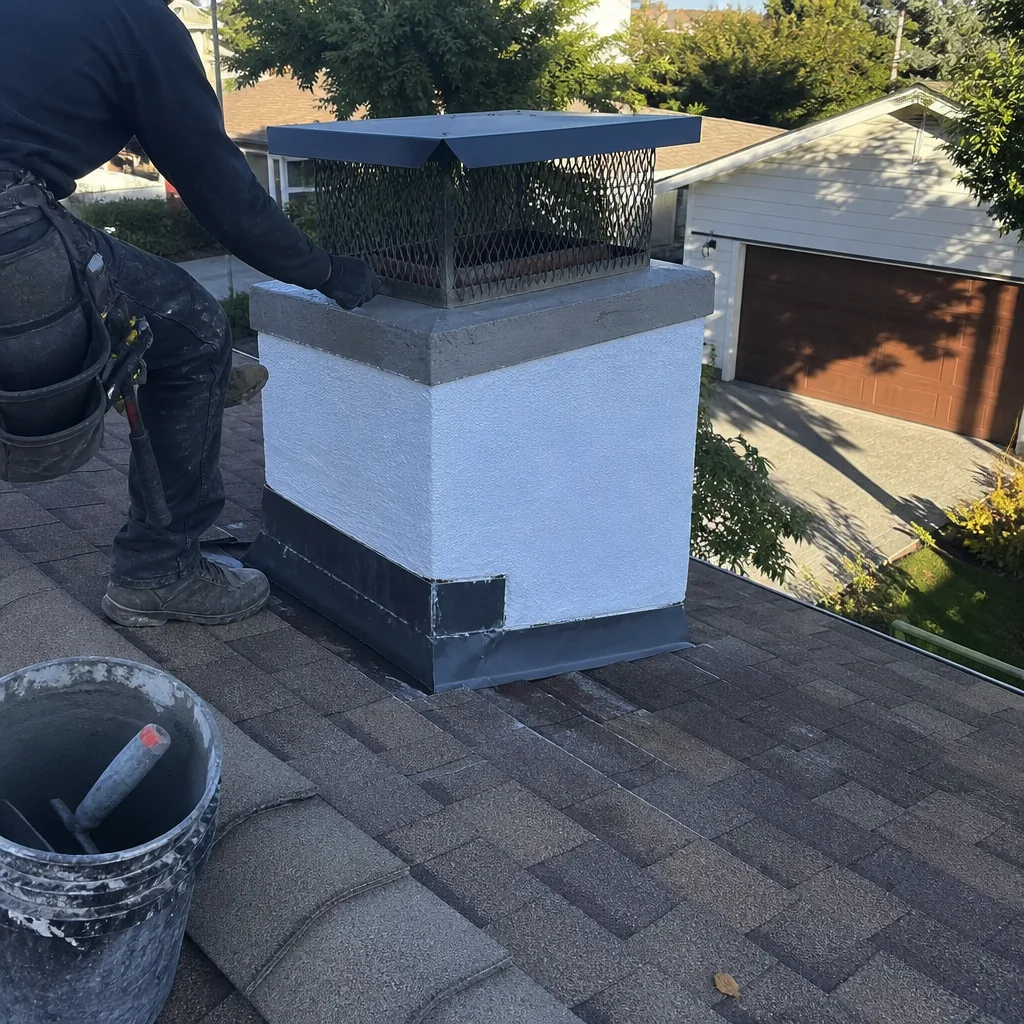
Salt air is the quiet factor. Alameda sits surrounded by water, and the marine layer carries salt that accelerates corrosion on metal chimney components. Aluminum caps pit and rust faster here than inland. Galvanized flashing degrades. Stainless components last longer, but only if they’re actually stainless, which is another argument for professional-grade brands. A chimney cap that looks fine from the ground can be structurally compromised when a technician gets eyes on it. We routinely replace caps on Alameda homes that are only a few years old because the salt exposure was underestimated at installation.
Wind exposure varies by neighborhood. Homes on the west side of the island, closer to the Bay, get more persistent wind than homes in the interior. Wind affects chimney draft, which affects fireplace performance, which affects creosote deposition. A fireplace that draws poorly in a wind-exposed Alameda neighborhood accumulates creosote faster and burns less efficiently. The fix is often a different cap design or a draft adjustment, not just a more frequent sweep. A technician who doesn’t think about wind doesn’t diagnose this.
Age diversity means inspection needs vary. Alameda’s housing runs from late-1800s Victorians to mid-century ranches to new construction. Each era used different chimney materials and methods. Unlined masonry flues from the 1920s present fire risks that a modern stainless liner doesn’t. Metal double-wall chimneys from the 1970s have their own failure modes. Gas inserts installed in old masonry chimneys without proper relining create carbon monoxide risks. A proper inspection tailors its method to the construction era. A generic sweep doesn’t.
Creosote accumulation is seasonal, but the risk is year-round. Alameda’s mild winters mean shorter burning seasons than, say, the Sierra foothills. But shorter seasons don’t eliminate creosote. They concentrate it. A chimney used for four months can build up a stage-two glaze in a single season if the wood isn’t fully seasoned or the draft is poor. We see this across Alameda’s Gold Coast and Fernside neighborhoods: chimneys that look lightly used but carry dangerous deposits because the fires burned cool and the moisture didn’t dissipate. A camera inspection catches what a visual check from the top doesn’t.
For a comprehensive overview of what local chimney service involves, see our Ambassador Chimney Sweep home page.
The dryer vent factor. Most chimney companies in Alameda don’t mention dryer vents. That’s a blind spot with real consequences. Lint accumulation in dryer vents is a leading cause of residential fires, and it builds up faster in households that run the dryer frequently, which describes most Alameda households during the wet season. A company that offers Dryer Vent Cleaning in Alameda as a distinct service is thinking about total ventilation safety, not just fireplaces. When you evaluate chimney companies, ask about dryer vents. The answer tells you how the company thinks about your home: as a single fireplace to be brushed, or as a ventilation system to be evaluated.
Common Mistakes to Avoid
After years of serving Alameda homeowners, here are the most frequent errors we see people make when selecting a chimney company.
- Choosing the lowest quote without asking what it includes. A $99 sweep special often excludes camera inspection, cap evaluation, and repair assessment. You get a brush pass and a receipt. You don’t get a diagnosis. The real cost shows up later, usually as a chimney fire or a carbon monoxide incident or a four-figure repair that could have been caught early. In Alameda’s older homes, the un-inspected chimney is the one that fails.
- Assuming certification equals comprehensive service. A CSIA-certified technician working for a sweep-only company is still working for a sweep-only company. The certification tells you about the person. The company’s service list tells you about the scope. You need both.
- Not asking about repair capability before the sweep. By the time the technician tells you there’s a problem, you’re already writing a check. If the company can’t fix the problem, you’re writing two checks to two companies and coordinating between them. Ask about repair before you book.
- Ignoring dryer vents because “it’s not a chimney.” Dryer vent fires are more common in residential settings than most homeowners realize, and they’re entirely preventable. A company that treats dryer vent cleaning as an add-on rather than a core service is missing a major fire-safety category. Alameda’s older homes often have long, convoluted dryer vent runs that accumulate lint faster than modern short runs.
- Relying on the previous owner’s maintenance claims. “The chimney was swept when we bought the house” is not the same as “the chimney was inspected.” A sweep removes debris. An inspection evaluates structure. If the previous owner can’t produce a repair assessment, assume the chimney hasn’t been properly evaluated. This is especially true in Alameda, where many homes pass through estate sales and flips with maintenance gaps.
- Choosing a company based on the van wrap. Brand is not a logo. It’s the diagnostic capability, equipment inventory, and service continuity a company brings to your home. The most professional-looking marketing can conceal a brush-and-referral operation. Read the service list. Ask the three questions. The answers matter more than the graphics.
When to Call a Professional
Some situations are not DIY vs Professional Chimney Cleaning: The Alameda Homeowner’s Decision Guide territory, and chimney work is near the top of that list. If you smell smoke in the house when the fireplace isn’t in use, call a professional immediately. If you see white staining on the exterior brick, that’s efflorescence, and it signals water intrusion through the masonry. If your fireplace produces more smoke inside the room than up the flue, your draft is compromised and the cause needs diagnosis. If you haven’t had the chimney evaluated since buying the home, schedule an inspection before the next burning season. If your dryer takes longer than 40 minutes to dry a load, your vent is restricted and the lint buildup is a fire hazard. None of these conditions improve on their own. Ambassador Chimney Sweep offers free estimates in Alameda, call (877) 752-4931 to schedule.
Frequently Asked Questions
A chimney sweep removes creosote and debris from the flue. The Complete Chimney Sweep Guide for Alameda Homeowners explains how a chimney inspection evaluates the structural and functional condition of the chimney system, including the liner, cap, crown, flashing, and masonry. A proper sweep should include at least a basic visual inspection, but many sweep-only companies skip anything more than a glance. In Alameda, where older chimneys predominate, an inspection is the more important of the two services.
Ask them what brands they stock and install. A company that names specific professional lines like HeatShield, Gelco, Olympia Chimney, or Famco is operating with trade-level inventory. A company that says “we can get parts” is not. Also ask whether they perform repairs in-house or refer them out. In-house repair is the single clearest signal of a full-service operation.
They matter as a baseline. A CSIA-certified technician has demonstrated core knowledge in cleaning and inspection procedures. The certification does not cover repair methods, brand-specific systems, or company-level service scope. Treat it as a data point, not a guarantee, and pair it with questions about repair capability and equipment inventory.
Most chimneys in the Alameda area benefit from a sweep and inspection every year, even if the burning season is short. Creosote accumulation depends on burn frequency, wood quality, and draft performance, not just calendar time. Annual service also catches salt-air corrosion on caps and flashing before it becomes a water intrusion problem. If you burn daily through the winter, schedule before the season starts.
Because dryer vent lint is a leading cause of residential fires, and most chimney companies don’t address it. A full-service ventilation specialist treats the chimney and the dryer vent as parts of the same exhaust system. If your Alameda home has a long dryer vent run, as many older houses do, the lint risk is higher. Call (877) 752-4931 for a dryer vent assessment.
Yes, and this is exactly why camera inspection matters. A standard sweep removes surface creosote. A camera inspection sees the liner surface, mortar joints, and internal structure that a brush never touches. Cracked flue liners, hidden blockages, and deteriorating masonry are all invisible to a brush. In Alameda’s older homes, camera inspection routinely reveals conditions that a visual check from the rooftop cannot.
The Bottom Line
Choosing a chimney cleaning brand is really choosing a diagnostic capability. The right company for your Alameda home is the one that can sweep your chimney, evaluate its condition with real tools, and repair what it finds using professional-grade materials, all within a single relationship. That company will name its brands, describe its technician training, and answer your three pre-booking questions without hedging. Anything less is a brush sold as a service. Sweep, repair, and protect. Handled by one team. Call (877) 752-4931 for a free estimate in Alameda.
Written by the team at Ambassador Chimney Sweep, serving Alameda since 2014.
See the difference
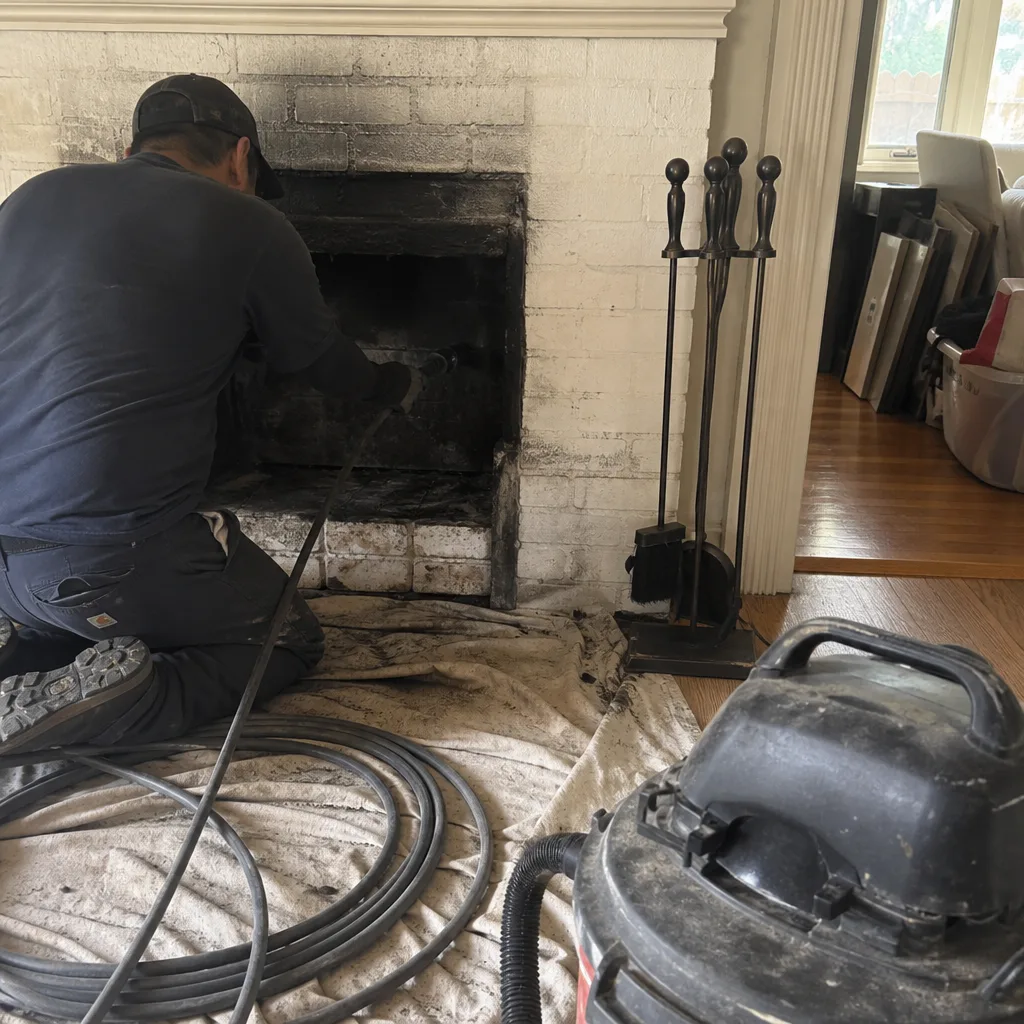 Before
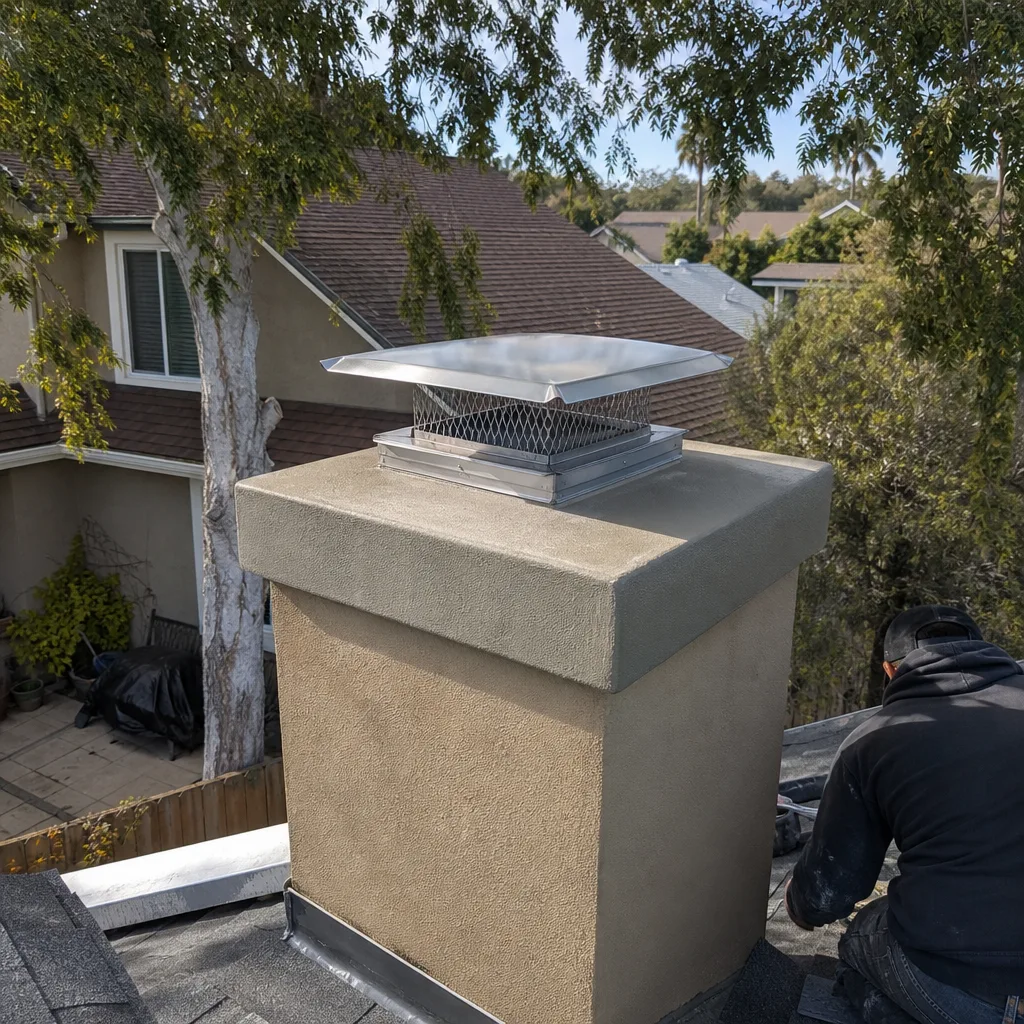 After
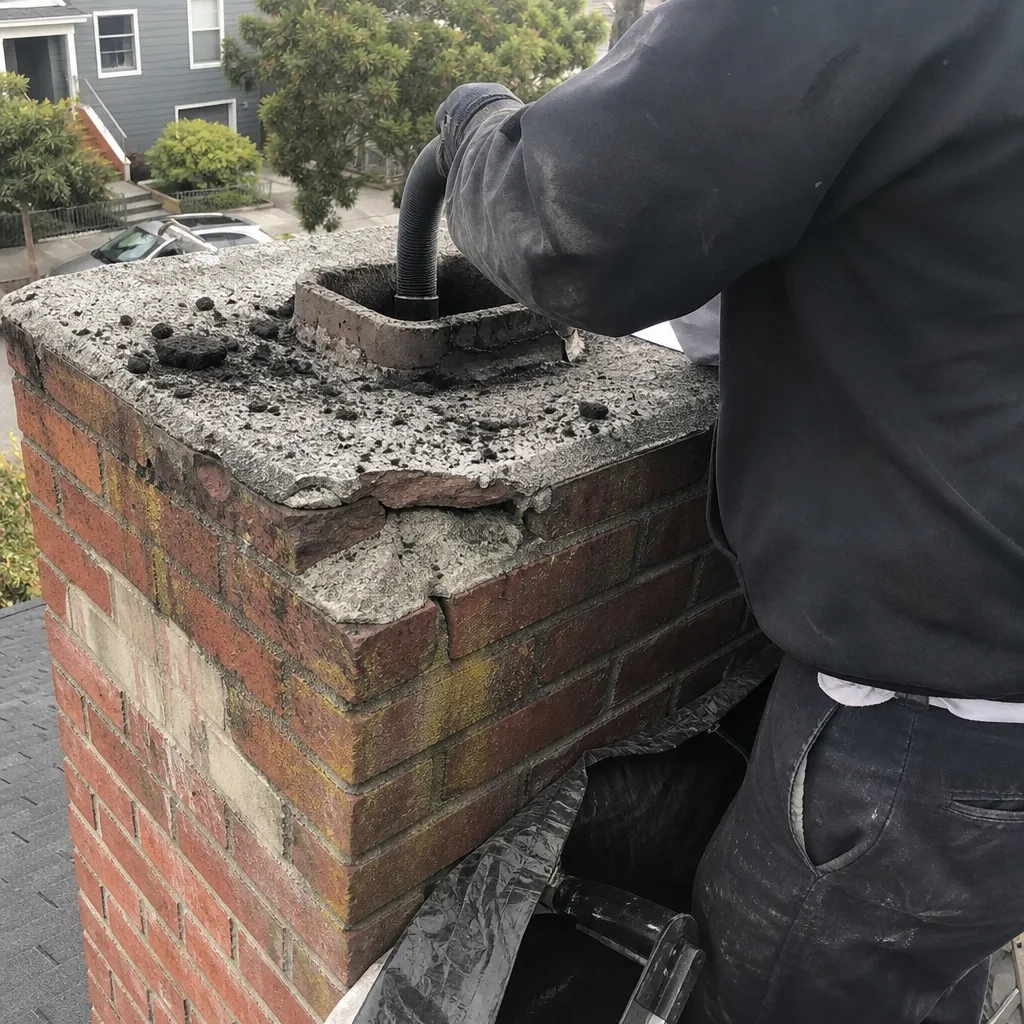 Before
 After
 Before
 After