
Last updated November 2, 2026
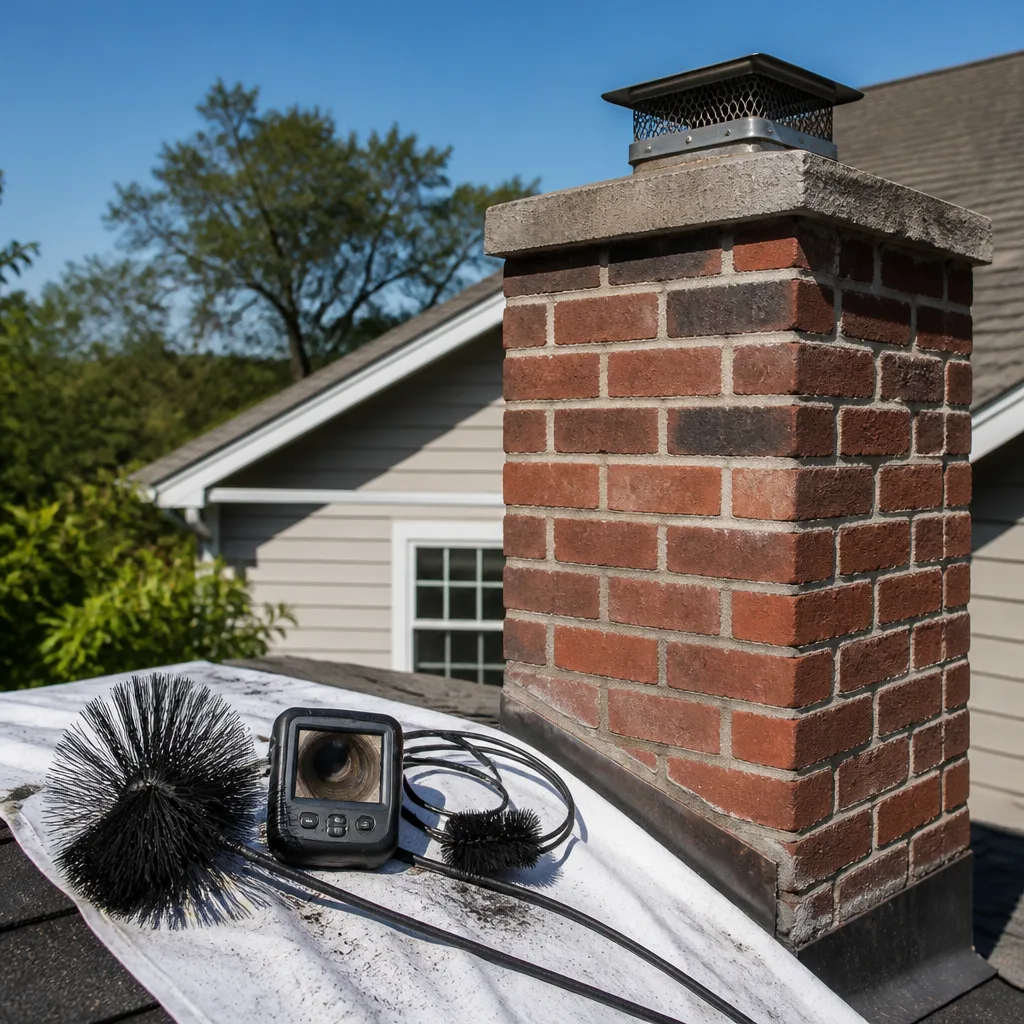 Sweep & inspection
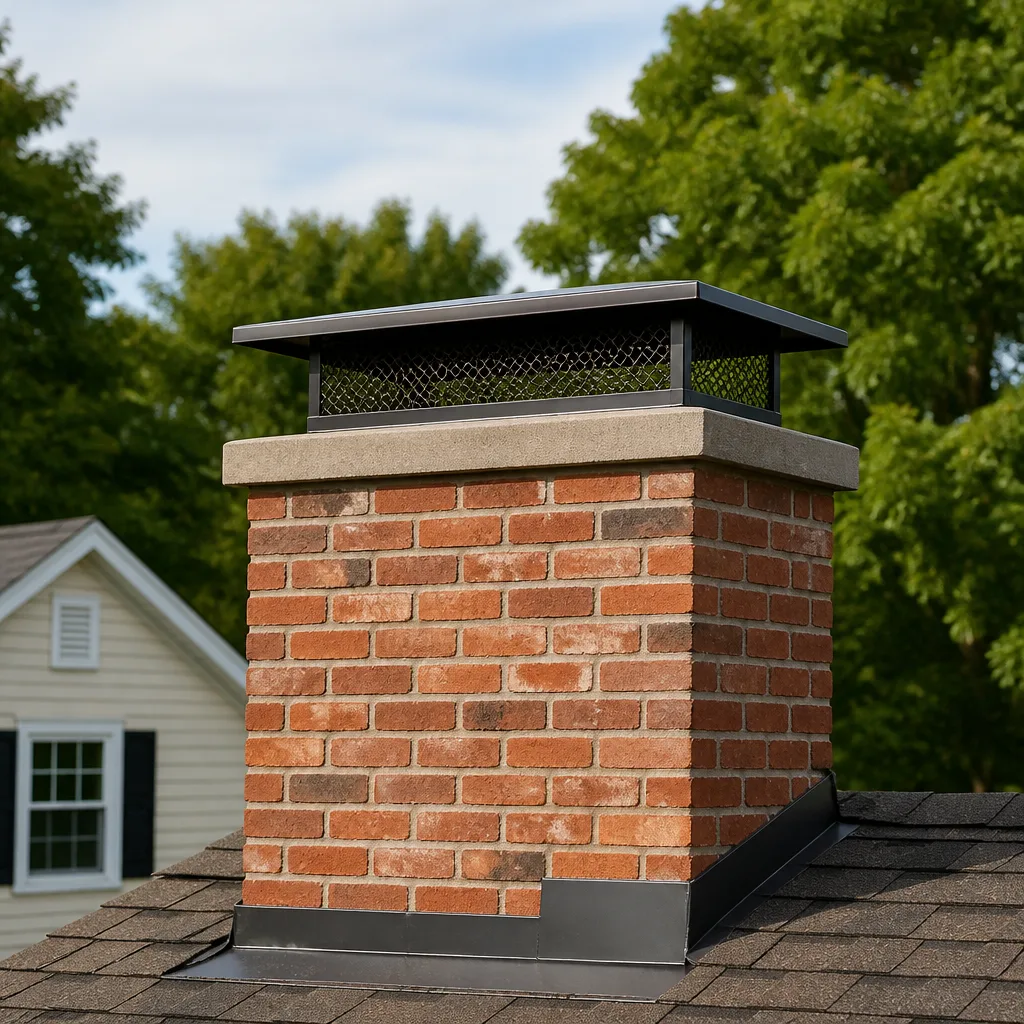 Caps & crowns
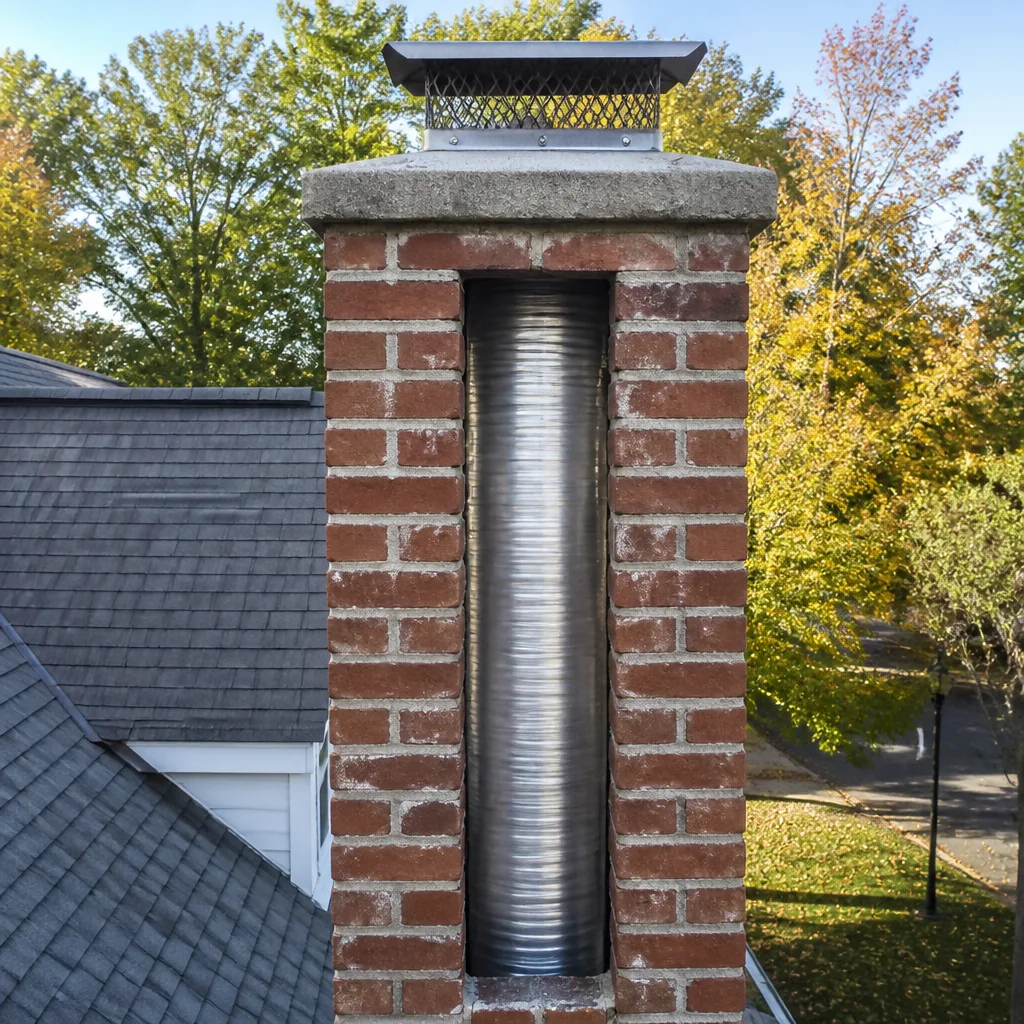 Flue relining
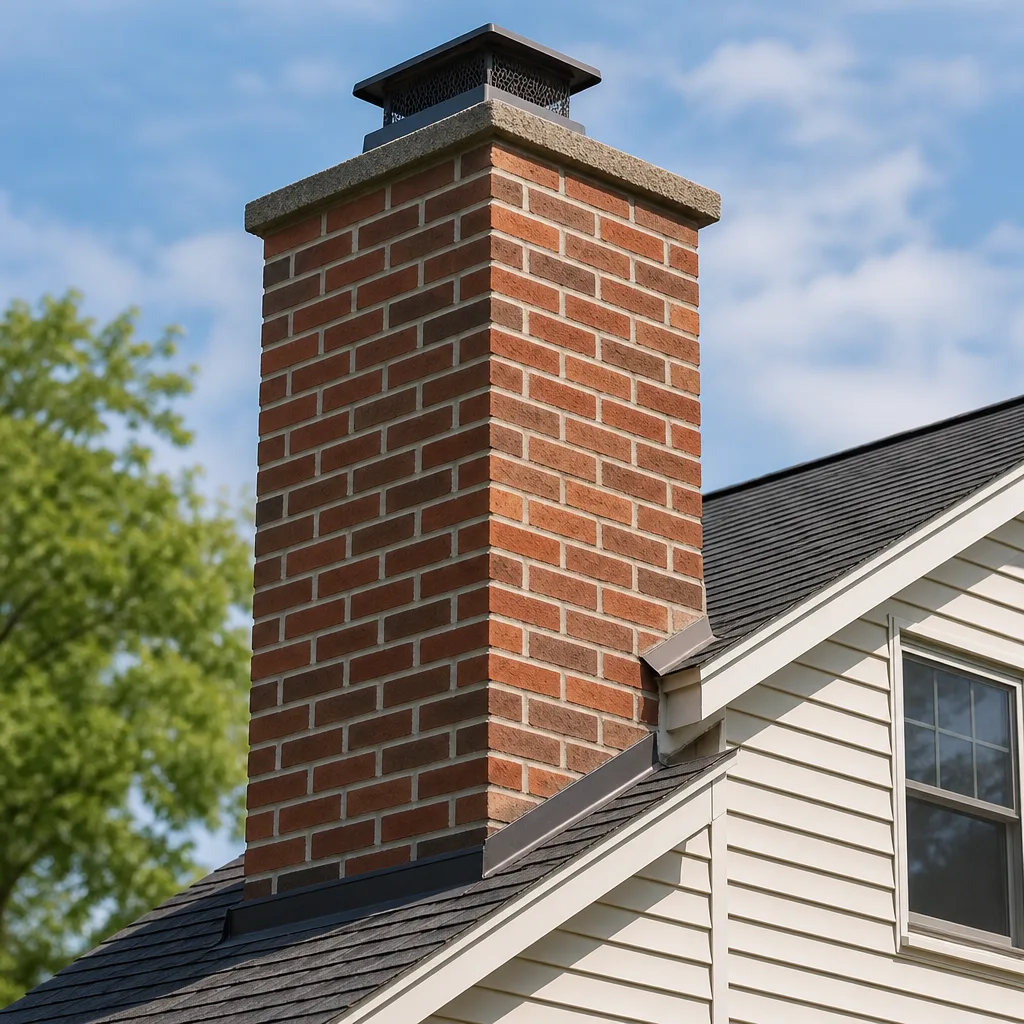 Masonry repair
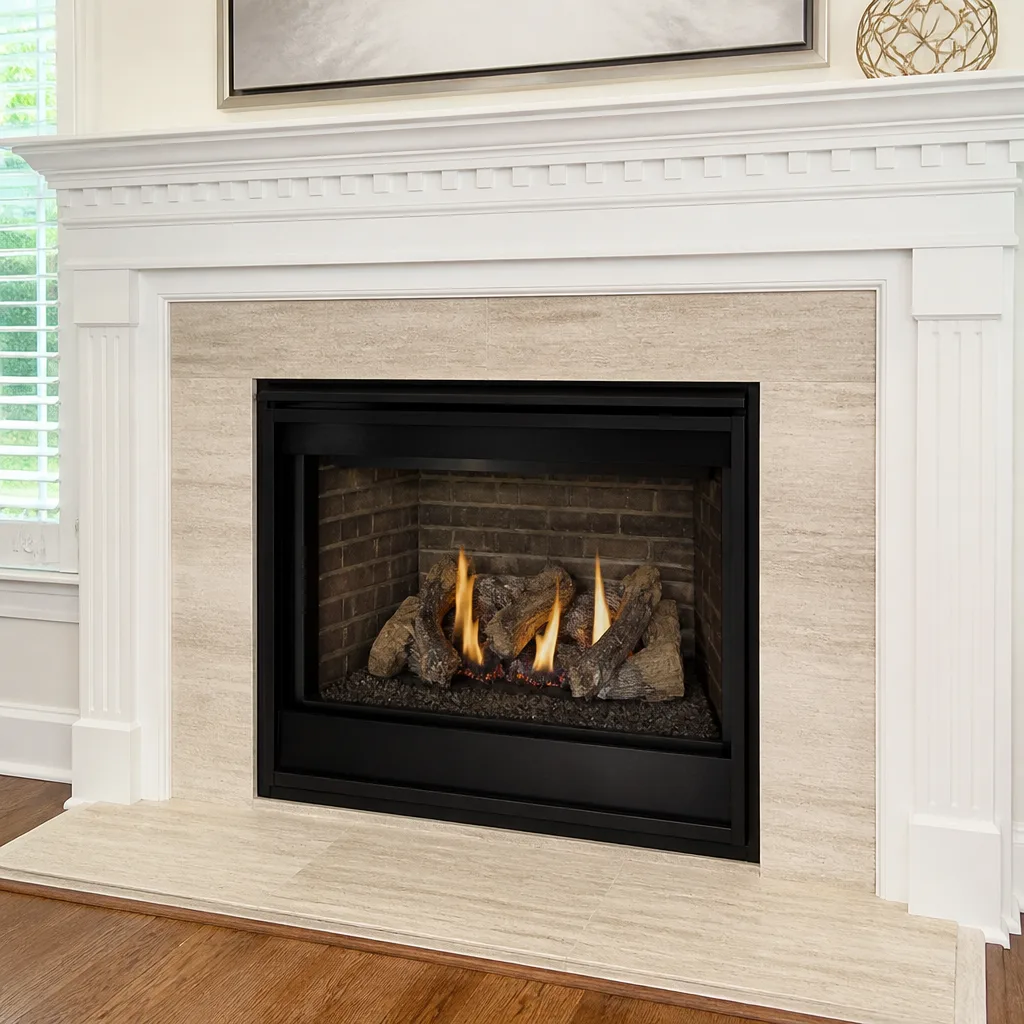 Gas fireplace service
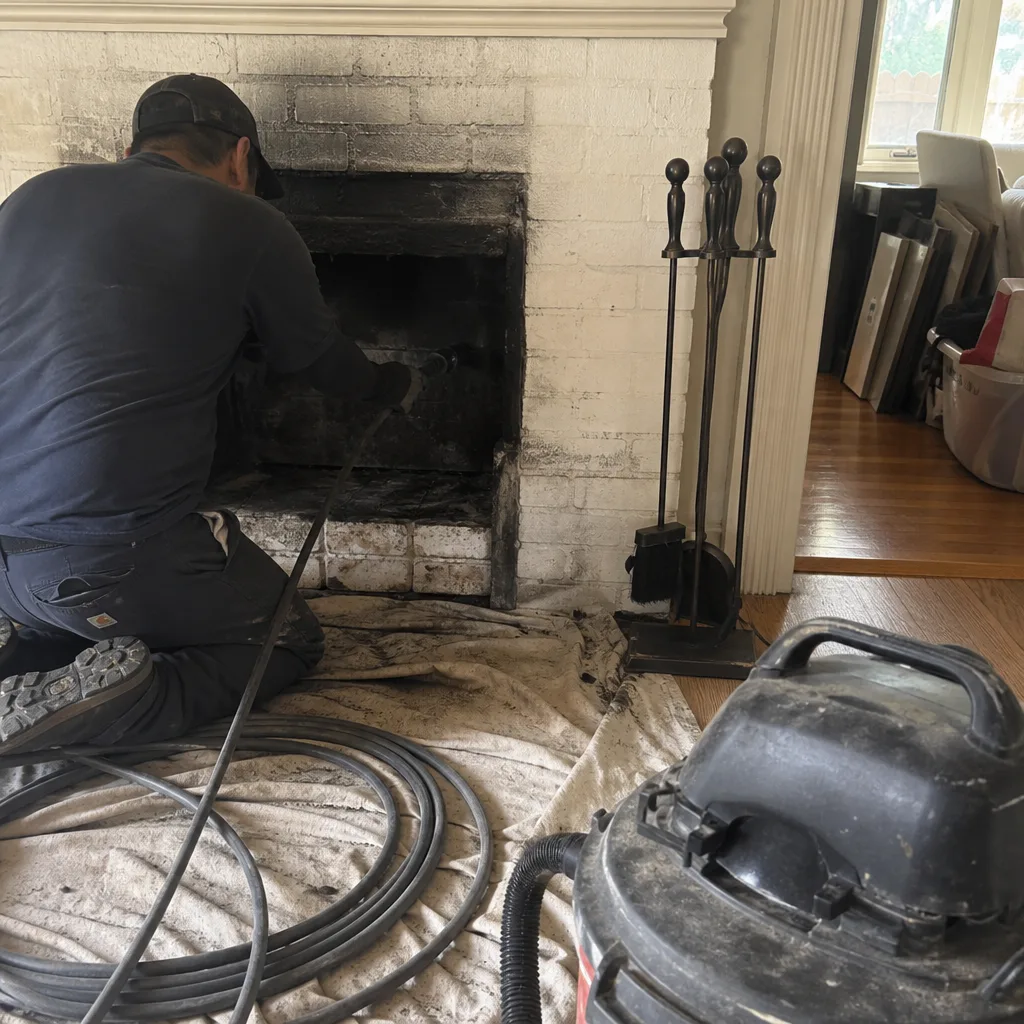
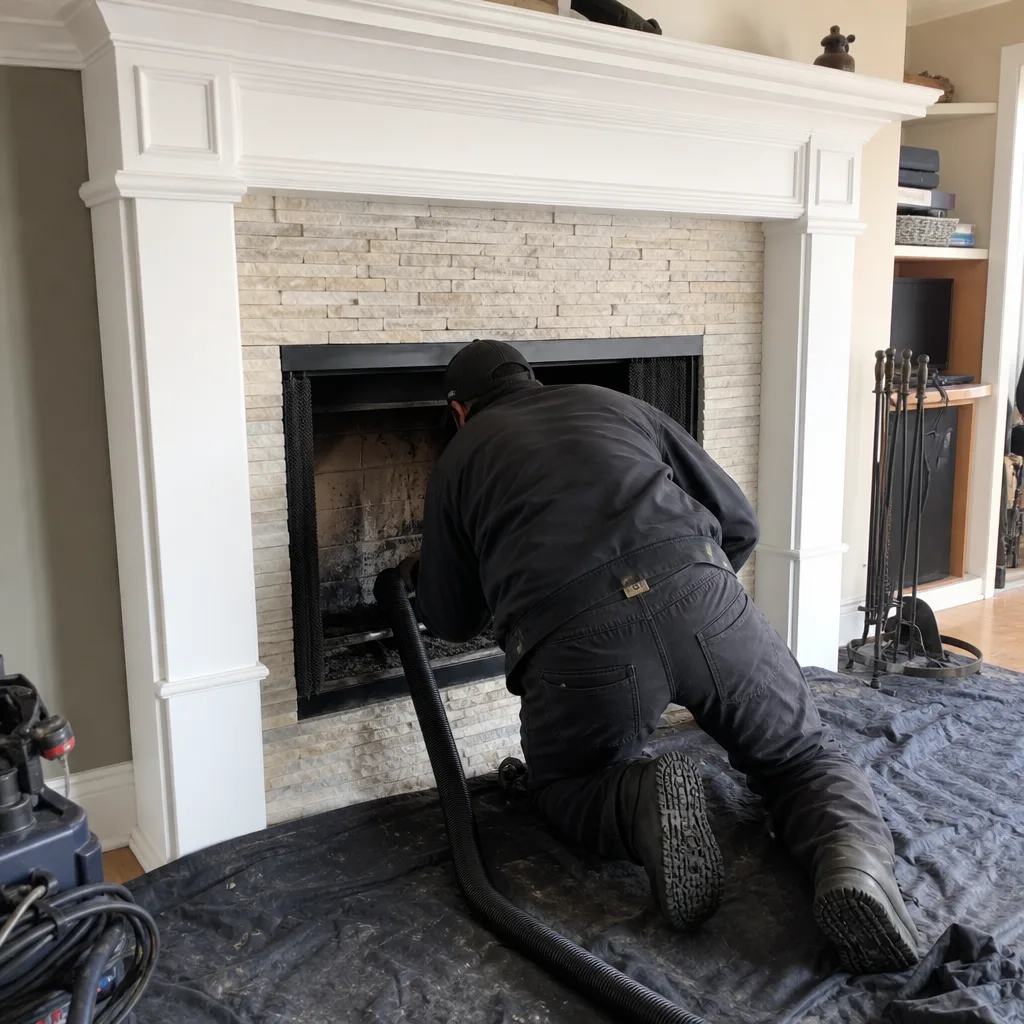
Level 1 sweep and inspection to the NFPA 211 annual standard - flue, crown, cap, and flashing checked and photographed
Chimney sweep logs do not sweep chimneys. They loosen some creosote - which then falls where a brush and vacuum still have to collect it.
Chimney Sweep Maintenance Checklist for Alameda Homeowners
Most Alameda homeowners don’t skip chimney maintenance because it’s hard. They skip the five-minute visual checks that catch a $3,000 problem while it’s still a $90 fix. A cracked cap goes unnoticed through one wet winter, and suddenly you’re looking at spalling brick and a rusted damper assembly. The marine air off San Francisco Bay accelerates metal corrosion, the nesting birds in Alameda’s tree-lined neighborhoods don’t care about your chimney’s structural integrity, and the Hayward Fault doesn’t send a calendar invite before it shifts. This guide gives you a month-by-month homeowner checklist built around Alameda’s actual seasons: the wet fog, the dry fire months, and the spring nesting window. By the end, you’ll know what to check from the ground, what to log for trend-spotting, and exactly when to stop looking and start dialing.
Styles & brands we work with
- Sweep & inspection
- Caps & crowns
- Flue relining
- Masonry repair
- Gas fireplace service
Quick Answer
A practical chimney maintenance checklist for Alameda homeowners has three parts: a monthly 30-second visual sweep from the ground, a set of seasonal tasks timed to fog season, fire season, and nesting season, and a written log of anything that changes between professional visits. Most homeowners need one professional chimney sweep in Alameda each year, plus immediate attention after seismic activity or when interior signs like efflorescence or crumbling mortar appear. The checklist that follows covers what to do each month, what to inspect from the ground, and what honestly requires a trained technician.
Table of Contents
- Why Alameda’s Climate Demands a Different Chimney Checklist
- The Month-by-Month Chimney Maintenance Checklist
- Exterior Checks You Can Do From the Ground (With Binoculars)
- How to Log Chimney Condition Over Time
- What to Verify After Any Seismic Activity
- The Handoff Point: Homeowner Monitoring vs. Professional Repair
- Common Mistakes to Avoid
- When to Call a Professional
- Frequently Asked Questions
- The Bottom Line
Why Alameda’s Climate Demands a Different Chimney Checklist
Alameda sits surrounded by water on three sides, and that changes everything about how your chimney ages. The salt-laden marine air that rolls in through the Golden Gate and settles over Alameda Point and Bay Farm Island carries chlorides that eat at metal components faster than inland air ever will. Chimney caps, dampers, and flashing on Alameda homes routinely show corrosion years before similar fixtures in Oakland or San Leandro. We’ve pulled rusted damper assemblies out of chimneys in the Gold Coast neighborhood that were still functionally sound at the same age in drier East Bay communities.
Fog season, which runs roughly June through August in Alameda, isn’t just a drizzle problem. It’s a moisture-loading event. Fog penetrates porous brick and mortar, sits there, and then gets baked out by afternoon sun. That wet-dry cycle is what causes efflorescence, the white chalky staining you see on masonry, and it gradually turns solid mortar joints into sand. Wet winters do their own damage through freeze-thaw cycles, though Alameda’s coastal location moderates the worst of it compared to the Sacramento Valley.
Spring brings a less obvious threat: nesting birds. Chimney swifts and starlings find uncapped or damaged chimneys in Alameda’s mature residential neighborhoods to be ideal nesting cavities. A nest on your smoke shelf isn’t just a blockage; it’s a fire hazard, a source of parasites and odor, and the reason you need a chimney cap that actually fits. This guide exists because timing matters. A checklist that says “check your chimney in fall” missed the six months when damage was compounding.
The Month-by-Month Chimney Maintenance Checklist
Most chimney guides split the year into generic seasons: spring, summer, fall, winter. Alameda doesn’t work that way. Your chimney faces four distinct pressure windows: wet-winter saturation, spring nesting, summer fog and unseasonal use, and fall fire-season prep. The tasks below are timed to those windows, not to a calendar someone in Minnesota wrote.
January – February: Wet Season Monitoring
- After every heavy rain, check the ceiling around your fireplace for water staining. Late January and early February are Alameda’s wettest months, and a slow leak behind the wall will show up as a faint discoloration before it becomes a drip.
- Look at the exterior brick or stucco around your chimney’s base. Darkened, saturated patches after rain mean the masonry is absorbing water faster than it’s shedding it.
- Test your damper. A damper that’s stiff, squealing, or no longer seats fully closed after years of salt-air exposure may need replacement. Write your observation in your log with the date.
- Make sure your carbon monoxide detector works. This is a chimney maintenance task as much as a house-wide safety task. A blocked flue in winter is a CO hazard.
March – April: Nesting Season Prep
- Schedule your annual professional inspection if you haven’t already. March is the sweet spot for chimney sweep service in Alameda before the end-of-summer rush.
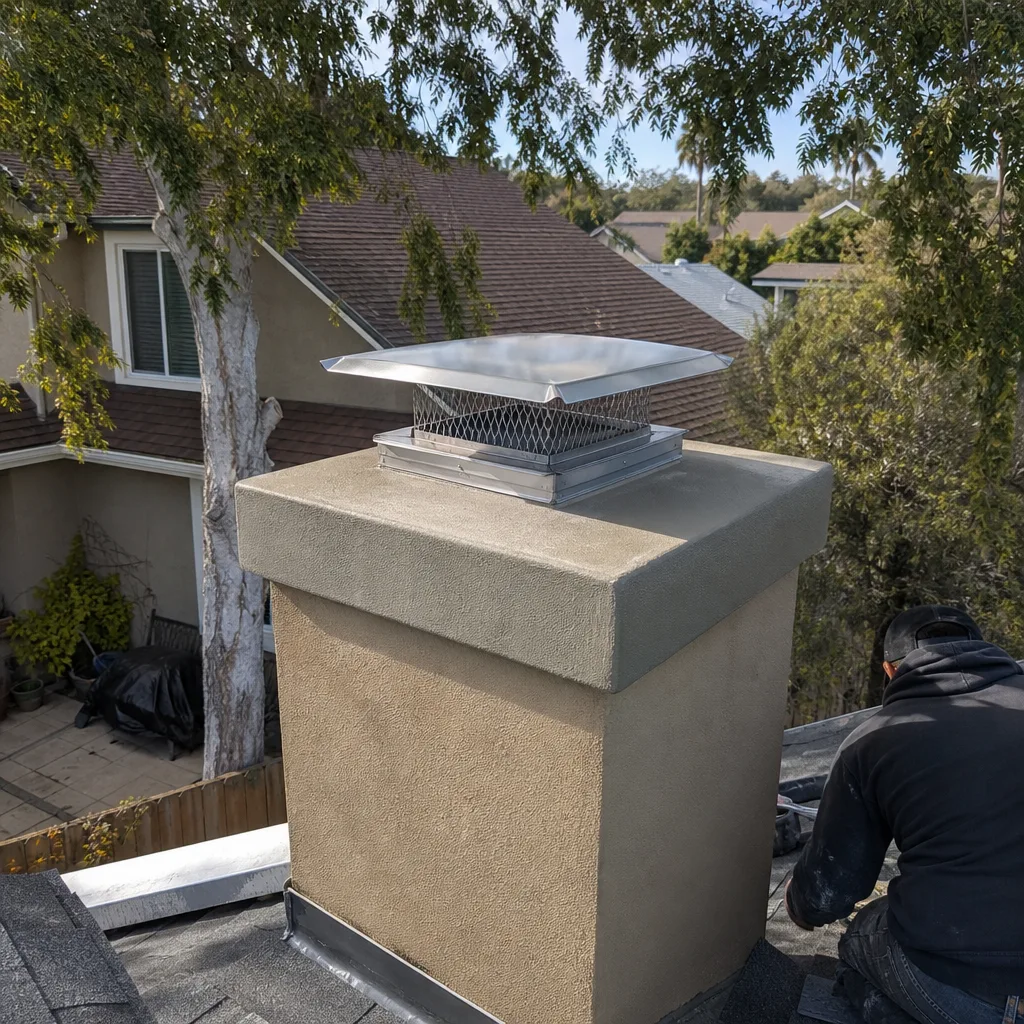
- Verify your chimney cap is in place and food-tight. From the ground with binoculars, look for not just the cap’s presence but its fit. Gaps at corners invite birds.
- Listen for bird activity in the flue. Chirping, scratching, or unusual sounds coming from the firebox in the early morning often mean a nest is already being built.
- Check for twigs or nesting debris in the firebox. Materials don’t fall into a closed damper from nowhere. If you see debris, something has changed above.
May – June: Fog Season Inspection
- Do a full exterior visual inspection using the ground checklist in the next section. Fog season is when rust, efflorescence, and flashing failures become easiest to spot.
- Inspect the caulk or sealant where the chimney meets your roofline. Fog condenses there first and runs down through any gap.
- Run a small test fire after the evening fog clears. You’re not testing the fireplace itself; you’re testing the draw. A lazy, smoky fire in June tells you the flue was compromised during winter.
- Clean your dryer vent on the same schedule. Alameda’s damp air makes lint clump and stick inside ducts. A clogged dryer vent in Alameda is a fire risk regardless of what your fireplace is doing.
July – August: Pre-Fire-Season Readiness
- Have your professional sweep completed this month. Waiting until October guarantees you’re calling during peak season when schedules are backed up and prices are firm.
- After the sweep, ask for photos or a camera report of the flue interior. Any professional who’s thorough will provide this. It’s your baseline for the coming burn season.
- Check for mortar cracks or popped nails in visible brickwork. Fog-season saturation followed by warm daytime heat accelerates deterioration in July.
- Test the fireplace one more time with a small fire. The goal is verification, not decoration. A correctly functioning chimney draws quietly and cleanly.
September – October: Fine-Tuning Before Burning Season
- Confirm your wood supply is seasoned. Burning wet wood coats your flue with creosote faster than anything else. Alameda firewood from local suppliers can sit outside through fog season; ask about storage conditions.
- Check the exterior chimney cap one more time before the fall winds begin. This is your last ground-level inspection before weather makes it unpleasant.
- Test both smoke detectors and your CO monitor again. Redundancy matters. Replace batteries in October regardless of what the test button says.
- Have a professional chimney repair done now if your sweep identified issues in summer. Delaying a chimney repair in Alameda until November means you’re either skipping fireplace season or pushing damaged components through another wet winter.
November – December: In-Use Monitoring
- After the first few fires, look for creosote buildup on the damper and firebox walls. It will appear as a dark, tar-like glaze in the first foot or two of the flue.
- Watch for smoke intrusion into the room when the fire is burning. Even a slight wisping back into the room means the draft is failing. This warrants a call.
- Listen for unusual sounds: popping, clicking, or a whistling draw. These can indicate loose flue tiles, an obstructed cap, or a failing damper assembly.
- Check for any new cracking in the firebrick inside the firebox. This is interior work you can safely observe and log between professional visits.
Exterior Checks You Can Do From the Ground (With Binoculars)
You never need to climb on your roof. In fact, you shouldn’t. The inspections that matter most for Alameda homeowners happen from the sidewalk, the lawn, or the sidewalk with a decent pair of binoculars. Here’s exactly what to look for, in the order that problems most commonly appear in Alameda’s chimney population.
1. The Cap and Screen
- Presence: Is a cap installed at all? A missing cap is an open invitation to birds, rain, and debris.
- Fit: A cap that doesn’t cover the flue opening completely or wraps around it loosely invites nesting birds. Alameda’s starling population takes full advantage of any gap wider than half an inch.
- Corrosion: Rust streaks on the cap or screen, or the screen sagging under its own weight. Salt air does this. A screen that’s rusted through in one corner is a screen no longer doing its job.
- Debris: Leaves, twigs, or nesting material visible on top of the cap or behind the screen.
2. The Flashing
- Gaps: Look for any visible space between the flashing and the chimney or between the flashing and the roofline.
- Rust: Flashing on Alameda homes goes through moisture cycles constantly. Pinhole rust becomes a leak within a season.
- Lifted edges: Wind and thermal expansion eventually pry flashing away. If you see one corner up, water is following that channel down.
3. The Masonry
- Efflorescence: White, chalky deposits on brick or stucco. This is dissolved minerals being drawn to the surface as water moves through the material. It’s a visual symptom of moisture infiltration.
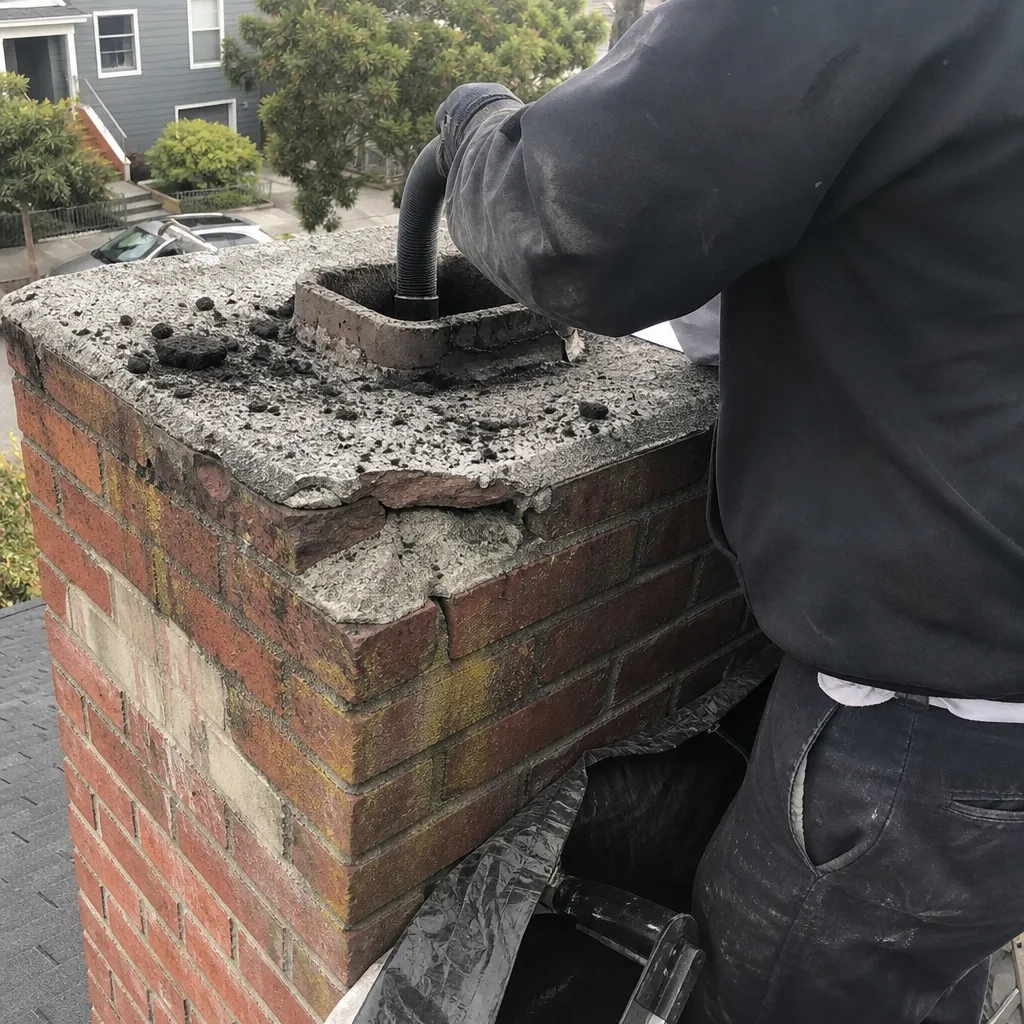
- Spalling: Brick faces that have popped off, leaving a rougher, more porous surface. This is freeze-thaw and salt-crystal damage, and it accelerates once it starts.
- Cracked mortar joints: Any crack wider than a dime is a direct path for water. Run your binoculars slowly up each visible joint line.
- Leaning or bulging: This is rare but serious. Any visible deviation from vertical is a structural issue, not a cosmetic one.
4. The Crown
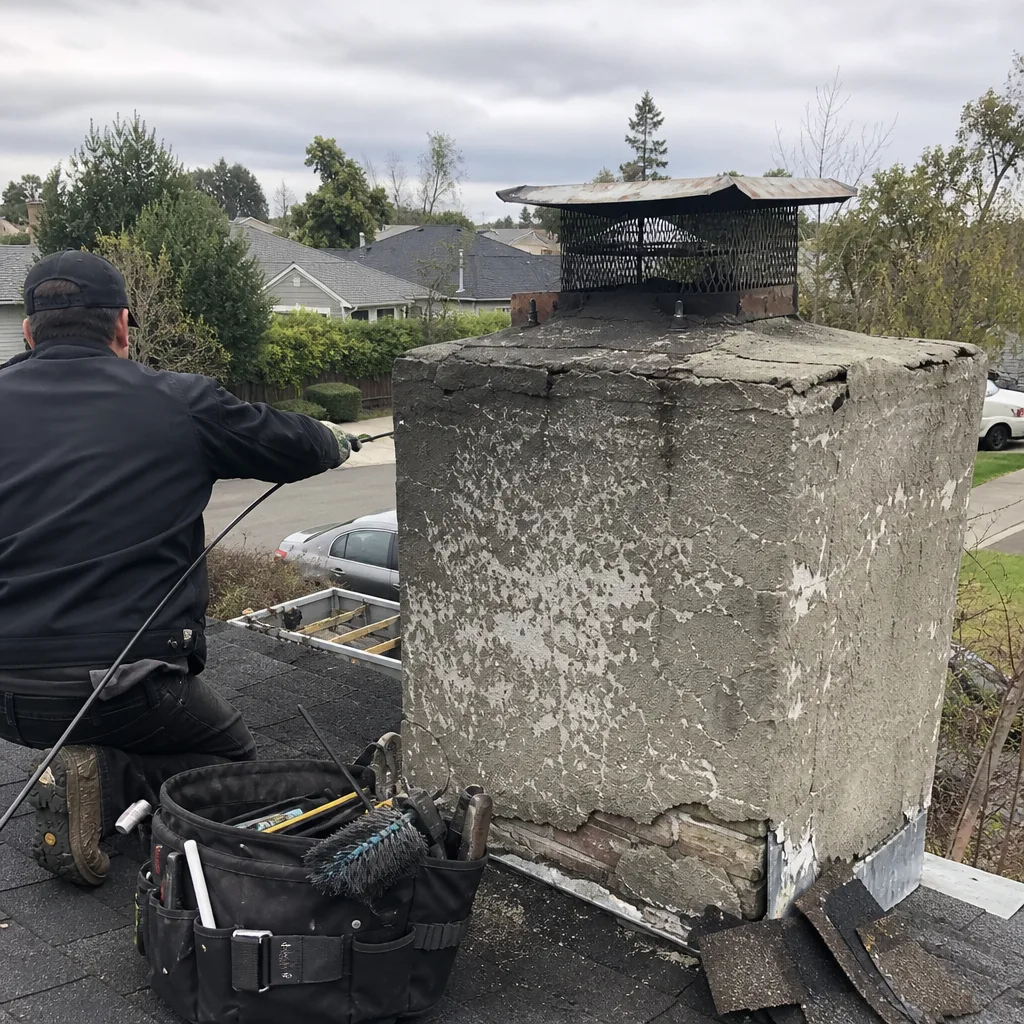
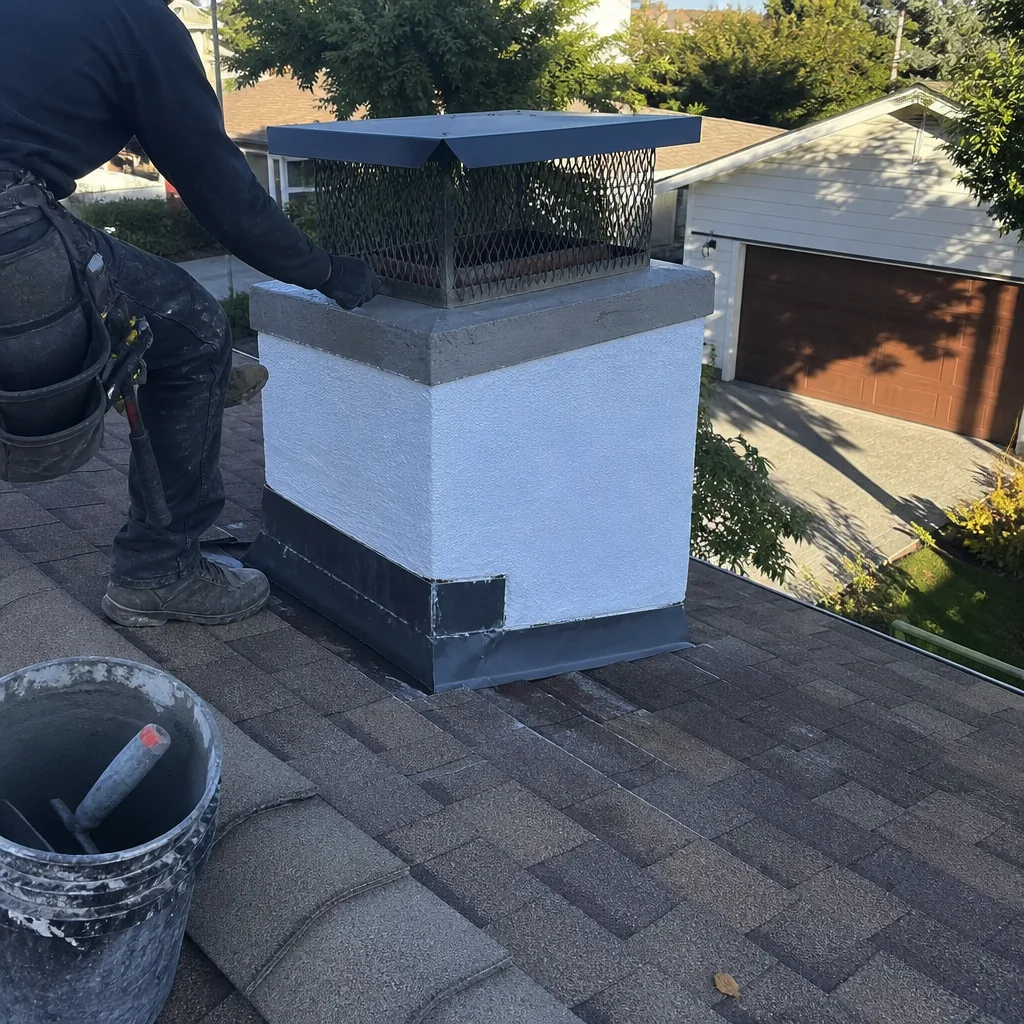
- Visible cracks: The crown is the concrete or mortar slab that caps the top of the chimney structure. Hairline cracks become winter leak channels.
- Ponding: If water sits on the crown rather than running off, the crown was poured without proper slope. This is a chronic leak waiting to happen.
5. The Overall Silhouette
- Anything missing that was there before. Take a photo with your phone each month. You’ll be surprised what a side-by-side comparison reveals.
- New staining below the roofline. This often means water is traveling down the exterior and staining what it passes over. Trace it upward to find the source.
How to Log Chimney Condition Over Time
A single inspection shows you a moment in time. Ten inspections show you a trend. That’s the difference between catching a failing flashing joint this year, while it’s a simple repair, and discovering it next year, when it’s rotted the surrounding roof decking. Most homeowners don’t log their chimney, and most homeowners get caught by the same class of problems.
Your log doesn’t need to be elaborate. A notes app, a small notebook, or a simple spreadsheet all work. What matters is that you record the same observations each time, from the same position, so changes are detectable.
What to Record Each Time
- Date and weather conditions. Record the weather, not just the date. Bright, dry days reveal efflorescence; post-rain observation reveals active water intrusion.
- Cap condition. Note whether the cap is present, fitted, and showing any new rust. One word or a simple rating (good, fair, poor) is enough.
- Masonry condition. Note any new efflorescence, spalling, or cracking. Be specific: “New hairline crack in mortar joint, north face, about 18 inches below the crown.”
- Flashing condition. Note any new gaps, rust, or lift.
- Firebox interior observations. After each burn season, note any creosote buildup, damper stiffness, or firebrick cracks.
- Any changes since the last observation. This is the single most important field. If nothing changed, write “no change.” If something changed, describe it.
After 12 months, your log becomes an objective record. Bring it to your next professional inspection. A technician who sees a documented trend of, say, progressive efflorescence on the bay-facing side of the chimney will prioritize differently than one looking at a single inspection. At Ambassador Chimney Sweep, we use trend-based data from attentive homeowners to target our repairs. It saves diagnosis time and it catches problems earlier.
What to Verify After Any Seismic Activity
Alameda sits a few miles from the Hayward Fault, and the city has direct seismic risk from both the Hayward and San Andreas systems. The 1868 Hayward earthquake, estimated at magnitude 6.8, caused major damage in Alameda. The 1989 Loma Prieta earthquake damaged chimneys throughout the Bay Area. Any shake you feel is a cue to look at your chimney, not a reason to panic, but a reason to look.
Here’s what to check after any earthquake you can feel, however small:
- Compare the chimney’s vertical line to its pre-quake position from your log photos. If you don’t have pre-quake photos, take a fresh one and compare it to the oldest photo you have. A chimney that’s shifted even slightly out of plumb is a structural problem.
- Look for new cracks in the masonry, especially diagonal cracks. Diagonal cracks are the signature of shear stress. Horizontal or vertical cracks can be from thermal cycling. A diagonal crack after an earthquake means the chimney moved in two directions at once.
- Check the flashing and roofline joint for fresh gaps. A shake can reseat the chimney against the roof and leave daylight where a watertight seal used to be.
- Look for fresh debris at the chimney’s base, on the roof, or in the gutters. Dislodged mortar crumbs or small brick fragments are direct evidence of movement.
- Inspect the firebox interior for new cracking or loose bricks. The firebox is inside the same masonry mass as the flue above it. Movement shows up here first.
- If you see anything concerning, stop using the fireplace and call for a professional assessment. This is not a DIY repair situation. A chimney that has shifted during seismic activity may have compromised the flue liner, the masonry structure, or the connection to the roof. A trained technician with a camera can tell you what’s actually changed.
Alameda homeowners should treat any felt earthquake, even a magnitude 3.0 or 4.0, as a legitimate reason to run through this checklist. Damage is often cumulative across multiple small events rather than the result of one catastrophic shake.
The Handoff Point: Homeowner Monitoring vs. Professional Repair
There’s a clear line between what a homeowner can reasonably monitor and what requires a professional. Knowing where that line sits is the difference between being an informed homeowner and an accidental roofer.
You Can Monitor:
- Visual changes from the ground using binoculars
- Interior observations of the firebox and damper
- Water staining on ceilings and walls
- Smoke draw during test fires
- Creosote accumulation in the first visible foot of the flue
- Odors or animal activity
- Logging trends over time
Call a Professional For:
- Any work on or inside the flue itself. This includes sweeping. The flue is a confined, hazardous space, and the tools to do it properly are specialized. A chimney brush from a hardware store does not clean creosote correctly, and it does not evaluate the flue. At Ambassador Chimney Sweep, we sweep and inspect as a single operation, because they’re two halves of the same safety assessment.
- Any repair to the cap, flashing, or crown that requires roof access. Roof work is dangerous, and Alameda’s older housing stock often has steep or unusual roof geometries. A professional carries the right ladder, the right fall protection, and the right sealants, which matters because the sealants used on a chimney exposed to salt air need to withstand that specific environment.
- Any liner concern. If your log or your intuition suggests the flue liner is cracked, spalling, or deteriorating, that’s a chimney repair in Alameda situation. We use HeatShield liner restoration when appropriate, which can rehabilitate a damaged flue without a full reline. Not every chimney company can offer that method.
- Any sign of structural movement, lean, or seismic damage.
- Any interior water staining that you can’t trace to an obvious roof leak.
Here’s the honest version: most chimney problems are not DIY-friendly, not because homeowners lack intelligence but because the work requires equipment, access, and evaluation tools that professionals carry. The homeowners who get the most value from their monitoring are the ones who keep a good log and then hand that log to a technician who knows what to do with it. We get the call when the homeowner has already noticed something. Our job is to tell them what it means and whether it needs action now, later, or never.
Common Mistakes to Avoid
- Skipping the summer inspection because you’re not using the fireplace. The damage that happens during fog season compounds silently. A July inspection catches what March missed.
- Assuming a chimney cap is optional. In Alameda, an uncapped chimney is a bird nursery, a rain funnel, and a rust incubator. It’s also against current building code for a reason.
- Cleaning your chimney only when it looks dirty. Creosote builds up inside the flue where you can’t see it. The first visible sign of serious creosote is often a chimney fire.
- Using chemical chimney cleaning logs as a substitute for sweeping. These products loosen some creosote but don’t remove it, and they never evaluate the flue’s condition. They create a false sense of security.
- Relying on a handyman for chimney work. Chimney work involves specific codes, specific materials, and specific failure modes. A general contractor does not carry HeatShield certification or use professional-grade liner materials from brands like Olympia Chimney or Copperfield.
- Ignoring your dryer vent until the dryer stops working. A clogged dryer vent is a chimney-system problem, not an appliance problem. It’s the same fire risk with a different fuel source, and dryer vent cleaning in Alameda should be on the same annual schedule as your chimney sweep.
- Waiting until November to call for a sweep. Everyone calls in November. The professionals who are thorough are booked, and the ones who aren’t booked are probably not thorough. Schedule in late summer instead.
When to Call a Professional
Call a professional if you see any of these: water staining on your ceiling or walls near the fireplace, visible daylight through the damper, smoke entering the room during a fire, a chimney that has shifted or leaned, efflorescence that reappears after cleaning, or any crack in masonry wider than a coin. Also call after any felt earthquake that produces new visible cracking or movement. If you’re unsure whether something is a problem, call anyway. Most reputable chimney companies will tell you honestly if nothing needs doing. Ambassador Chimney Sweep offers free estimates in Alameda, and we’d rather confirm a non-issue than miss a structural one. Call (877) 752-4931 to book an evaluation.
Frequently Asked Questions
The National Fire Protection Association recommends an annual inspection and sweeping as needed, and in Alameda’s climate, an annual sweep is the right cadence for most active fireplaces. Homes that burn wood more than three nights a week through winter, or that burn unseasoned wood, may need a second sweep mid-season. Gas fireplaces also need annual inspection, though they typically require less frequent sweeping. At Ambassador Chimney Sweep, our chimney sweep service includes a full flue evaluation, so you get both the cleaning and the condition report in one visit.
In Alameda, expect to pay roughly $200 to $400 for a standard chimney sweep and inspection from an established professional company, with the higher end typically including a camera inspection or more extensive evaluation. Factors like roof access difficulty, flue size, creosote buildup level, and whether repairs are identified all influence the final number. The cheapest option in the Bay Area is usually a brush-through with no evaluation, and that’s not a sweep, that’s a quick pass. Call (877) 752-4931 for an exact quote. Estimates are free.
Yes, and in most Bay Area jurisdictions, a properly fitted cap is required by current building codes. A cap keeps rain out of your flue, but just as importantly, it prevents birds from nesting in your chimney during Alameda’s spring nesting season. A missing cap is the single most common entry point for the water and animal problems we see. If yours is gone or damaged, that’s a same-day fix in most cases.
One skipped year doesn’t usually cause a disaster, but it does allow damage to compound undetected. A small flashing gap becomes a roof leak. A hairline crown crack becomes a water channel. A season of creosote buildup becomes a fire hazard. The homeowners who run into serious chimney problems are almost never the ones who skipped a single year. They’re the ones who skipped five years and then did three things wrong at once. The annual rhythm is what catches problems while they’re still small.
You can and should perform the ground-level exterior checks described in this guide, and we encourage it. But a professional inspection includes a camera evaluation of the flue interior, a check of the smoke chamber and damper assembly, and a hands-on assessment of the liner’s structural integrity, none of which are visible from the ground. The two approaches complement each other. Your log plus our camera work tells the full story. If you want to set up a professional chimney sweep in Alameda, we’ll walk you through what we’re seeing and what it means.
The white staining is efflorescence, and it means water is moving through your masonry and carrying dissolved minerals to the surface. It’s common in Alameda because of the marine air and fog cycles, but it’s not harmless. It’s a symptom that water is infiltrating the chimney structure, and over years, that water will degrade mortar joints and cause spalling. Efflorescence should be evaluated by a professional who can determine the water entry point. Catching it early usually means a sealant or flashing repair rather than a rebuild.
The Bottom Line
Your chimney is a system, not a decoration, and in Alameda it lives in an environment that’s actively working against it: salt air, wet fog, nesting birds, and the occasional reminder from the Hayward Fault. The checklist that works here is one you’ll actually follow, built around the months when specific threats peak, not around a generic “before winter” reminder. Log what you see. Check the five exterior points from the ground. Sweep annually and repair when the log says you need to. Hand the hard jobs to professionals who carry the right equipment and the right brands. That’s the whole game. If you need a professional evaluation or a sweep, Ambassador Chimney Sweep home is the place to start. Call (877) 752-4931 and we’ll tell you honestly what your chimney needs.
Written by the team at Ambassador Chimney Sweep, serving Alameda since 2014.
See the difference
 Before
 After
 Before
 After
 Before
 After